What is the miracle fruit that lowers cholesterol?
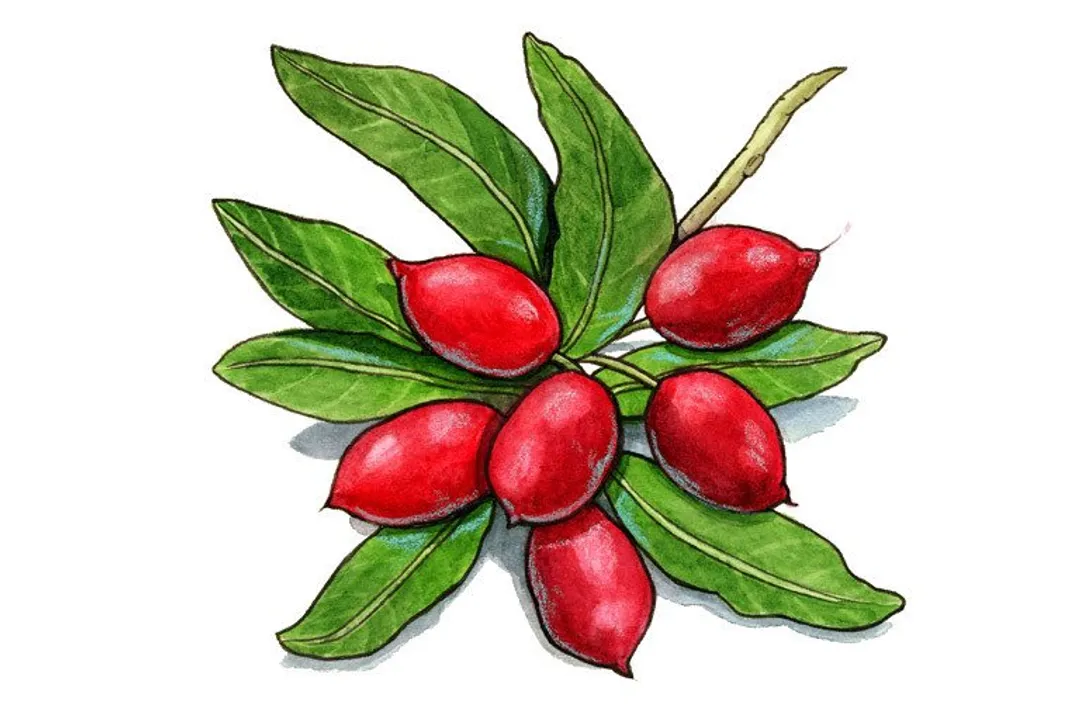
The conversation around dietary management for heart health frequently turns toward natural solutions, and among the plethora of unique plants, the miracle fruit, scientifically known as Synsepalum dulcificum, has garnered significant attention, particularly regarding its potential to influence cholesterol levels. Most people know this West African plant for its remarkable ability to temporarily modify taste perception, causing sour foods to taste intensely sweet due to a protein called miraculin. However, beyond this culinary curiosity, researchers have been investigating other chemical constituents within the fruit, seeds, and leaves for metabolic benefits, including effects on blood lipids.
# Taste and Taste Modifiers
Before diving into lipid science, it is helpful to recognize the dual nature of this fruit. The primary fame of S. dulcificum comes from its glycoprotein, miraculin, which binds to the sweet taste receptors on the tongue only in acidic conditions. This essentially tricks the palate into interpreting tartness as sweetness, a phenomenon that can last an hour or two. This property has led to its practical use as a low-calorie, sugar-free sweetener and even as a dietary aid to improve palatability for patients undergoing chemotherapy whose sense of taste is altered. While this taste modification is well-documented, the interest in its cholesterol-lowering capacity centers on different compounds found in other parts of the plant structure.
# Evidence from Seed Extracts
The most direct evidence suggesting cholesterol reduction capability comes from studies focused specifically on the fruit’s seeds. In animal models, particularly hamsters consuming a high-cholesterol diet, extracts derived from the miracle fruit seeds demonstrated a measurable decrease in plasma Total Cholesterol (TC). This effect is hypothesized to stem from compounds known as triterpenoids present in the seeds. One specific study isolated two triterpenoids, lupeol acetate and -amyrin acetate, and found that adding them to the diet could reduce TC by a notable range of 15% to 20% in the test subjects.
The seeds themselves are quite rich in bioactive compounds, containing high levels of amino acids, polyphenols, and crucial fatty acids, which suggests they hold significant biochemical activity separate from the pulp responsible for the sweetening effect. The focus on triterpenoids as potential agents for hyperlipidemia management positions the seed as a promising, yet underutilized, component of the fruit.

# Leaf Activity Against Lipids
The research doesn't stop at the seeds; the leaves of Synsepalum dulcificum have also been investigated for their effects on lipids, using the zebrafish model to test anti-hyperlipidemia activity. This research identified a specific compound, quercitrin, as a major contributor to this effect. When tested, quercitrin showed potent results in improving lipid profiles, achieving improvement rates of 92.5% for total cholesterol and 75.6% for liver fat in the model. This finding is significant because it points to a different mechanism or compound acting within the leaves, suggesting that various parts of the plant possess distinct metabolic regulatory potential.
# In Vitro Digestion and Lipase Inhibition
When considering how a dietary component might affect cholesterol, we must differentiate between effects on systemic cholesterol production (as seen in the hamster study) and effects on cholesterol absorption in the gut. Recent work has utilized in vitro digestion models to mimic the human digestive process.
In these simulated intestinal environments, extracts from the seed showed only moderate inhibition of pancreatic lipase, the enzyme crucial for dietary fat breakdown and subsequent absorption. Interestingly, the extract made from the pulp and skin showed a greater—though still moderate—inhibitory effect on lipase activity compared to the seed extracts at the concentrations tested.
More compellingly, the pulp and skin (PS) supercritical extract demonstrated the ability to interfere with the physical process of absorption itself. In the in vitro model, the PS extract was capable of producing a 32% reduction in the bioaccessibility of cholesterol when compared to a control without the extract. This suggests that while the seeds may offer systemic benefits via triterpenoids, the pulp and skin components may help limit how much dietary cholesterol the body actually takes in during digestion. It is crucial to note that while polar extracts from the whole fruit have been previously shown to be anti-hypercholesterolemic in preclinical models, these in vitro results offer a specific look at the digestive phase.

# Distinguishing Components and Functions
It becomes clear when reviewing the literature that the Synsepalum dulcificum plant offers different candidates for different physiological targets. The seeds yield triterpenoids that seem active systemically (lowering circulating TC in hamsters), while the leaves yield quercitrin that drastically impacts lipid markers in fish models. The pulp/skin seems to possess compounds that actively reduce cholesterol bioaccessibility during digestion.
If you are considering S. dulcificum for lipid management, it is helpful to recognize this component specialization. For example, one might theorize that consumption of the whole berry might offer a modest, multi-pronged benefit: the systemic effect from the trace amounts of seed compounds, combined with a digestive block from the pulp compounds. However, the high concentrations of active components like triterpenoids or quercitrin are found in the seed extract or leaf material, respectively, not typically in the fruit portion consumed for its flavor-altering properties. This presents a conceptual gap between its use as a food supplement and its concentrated medicinal potential. Considering general dietary advice, incorporating any fruit or vegetable consistently, aiming for more than four servings daily, is associated with lower levels of total and LDL cholesterol. The miracle fruit, when consumed as part of an overall healthy diet, contributes to this positive pattern, but its specific components warrant separate investigation when targeting high cholesterol directly.
# Practical Considerations and Safety
When thinking about incorporating any natural substance for a specific health outcome like cholesterol control, safety and context are paramount. Synsepalum dulcificum has seen increased attention, leading to its approval as a novel food in the European Union for general consumption, excluding use by pregnant or breastfeeding individuals.
General side effects reported from oral consumption are relatively mild, including potential stomach ache or throat discomfort. More importantly, because the fruit—or its extracts—contains chemicals that may influence blood sugar, caution is advised for individuals taking diabetes medications, as an interaction could lead to hypoglycemia (blood sugar dropping too low). While the primary focus here is cholesterol, the fruit is also noted for potential anti-diabetic effects, further underscoring the need for consultation with a healthcare provider before using concentrated extracts.
For readers interested in the systemic effects seen in animal studies (like the 15–20% TC drop in hamsters from seed extract), it is vital to understand that these effects were observed using concentrated extracts of the seeds, not by simply eating the fresh berries. A practical takeaway for someone looking to integrate the benefits of this plant, recognizing the lack of human clinical trials specifically on its cholesterol lowering, is to prioritize obtaining these specific compounds through controlled, standardized extracts or supplements, rather than expecting significant lipid profile changes solely from occasional berry consumption. A targeted approach, guided by ongoing preclinical identification of active molecules like quercitrin or specific triterpenoids, provides a clearer pathway than relying on the whole fruit for this specific benefit.
# Other Metabolic Roles
It is worth noting that the research supporting cholesterol reduction often occurs alongside investigations into other metabolic areas where S. dulcificum shows promise. For example, beyond its lipid-regulating potential, seed extracts are being studied for effects related to Alzheimer's disease, where abnormal cholesterol metabolism is considered a risk factor. Furthermore, some studies have linked the plant's components to improving insulin resistance and glucose uptake. This interconnectedness suggests that the compounds within the miracle fruit may exert broad effects on how the body manages energy substrates, which naturally includes fats and cholesterol.
While the miracle fruit is not a universally recognized primary defense against high cholesterol like oats or certain fish oils, the scientific exploration into its seeds and leaves reveals specific bioactive compounds, namely triterpenoids and quercitrin, that show definite anti-hyperlipidemic potential in animal and cellular models. Anyone considering using concentrated forms for cholesterol management must weigh this preclinical promise against the need for larger, targeted human clinical trials to confirm safety and efficacy outside of its well-established role as a natural taste modifier.
Related Questions
#Citations
The cholesterol-lowering activity of miracle fruit (Synsepalum ...
Synsepalum dulcificum - Memorial Sloan Kettering Cancer Center
Miracle Fruit - Uses, Side Effects, and More - WebMD
Miracle fruit seed as a potential supplement for the treatment of ...
Fruits That Lower Cholesterol - Consensus Academic Search Engine
Biological Activities of Miracle Berry Supercritical Extracts as ... - MDPI
The Clinical Effects of Synsepalum dulcificum: A Review