Is pompano bad for cholesterol?
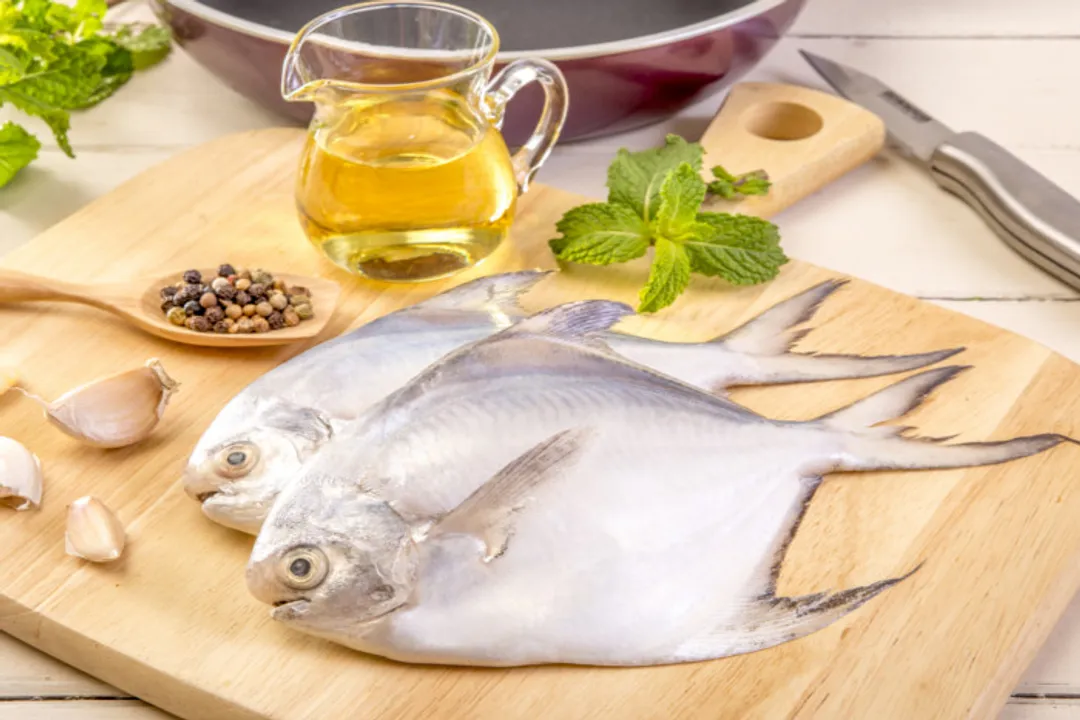
Pompano, often celebrated for its rich, buttery flavor and firm texture, frequently enters conversations about heart health, especially for those monitoring their cholesterol intake. When weighing the merits of any seafood against dietary guidelines, the composition of its fat content is the main area of focus, rather than just the presence of fat itself. The quick answer to whether this fish is detrimental to your cholesterol levels leans heavily toward the affirmative—it is generally not considered "bad" for cholesterol when eaten as part of a balanced diet, primarily due to its favorable fatty acid profile. [1][2]
# Fat Composition
Understanding why pompano lands on the healthier side of the spectrum requires a look at the breakdown of its fats. Like all animal products containing fat, pompano does contain some saturated fat, which is the type dietary guidelines typically recommend limiting for better cardiovascular health. [2] However, the overall picture is quite positive.
When analyzing the nutritional data, pompano is consistently characterized as being low in saturated fat. [1] This is a significant advantage when comparing it to fattier cuts of land-based meats. More importantly, the beneficial fats often outweigh the less desirable ones. Pompano is a commendable source of both monounsaturated fats and polyunsaturated fats. [1][2]
For a general reference point, 100 grams of raw pompano might contain around 4 to 5 grams of total fat, depending on the specific analysis and sourcing, with the saturated portion being quite small, sometimes cited as less than 1 gram. [3][5] The remaining fats are primarily the heart-healthy unsaturated types. [3]
To put this into perspective using a comparison, if we consider a standard serving of red meat might contain significantly higher amounts of saturated fat, pompano's profile suggests a much safer option for maintaining healthy lipid panels. [1] The presence of these beneficial fats—the mono- and polyunsaturated varieties—is what actively supports heart health, often by aiding in the management of cholesterol levels. [1]
# Fatty Acids Heart Benefits
The true star in the pompano nutrition profile, particularly concerning cardiovascular wellness, is the presence of essential fatty acids, notably the Omega-3s. [9] While many types of fish are lauded for these, pompano contributes valuable polyunsaturated fats that the body cannot produce on its own. [2][9]
Omega-3 fatty acids are well-known for their positive effects on the body, including supporting lower triglyceride levels and potentially improving the ratio between "good" high-density lipoprotein (HDL) cholesterol and "bad" low-density lipoprotein (LDL) cholesterol. [9] When you choose pompano, you are selecting a protein source that delivers these beneficial building blocks along with essential nutrients like protein, which is high in pompano, often exceeding 20 grams per 100 grams of raw weight. [3][7]
This combination—low saturated fat combined with a significant presence of heart-protective polyunsaturated fats—is why, from a raw nutritional standpoint, pompano is categorized as a beneficial fish choice for those focused on cholesterol management. [1]

# Preparation’s Drastic Impact
While the intrinsic makeup of pompano is favorable, readers must recognize that the method of preparation can completely overturn its health advantages. The nutritional facts derived from raw or simply steamed fish can become irrelevant once the fish is cooked in certain ways. [6]
For instance, the data referencing steamed pompano provides a baseline for the fish’s natural state. [6] Compare this to pompano that is breaded and deep-fried. Frying introduces substantial amounts of added fat, often the saturated or trans fats depending on the oil used and its temperature stability, which directly impacts LDL cholesterol levels negatively. [1] A fish that started with less than one gram of saturated fat per serving can absorb several grams during frying, effectively transforming it into a less heart-healthy meal choice. [3]
This isn't unique to pompano, but it's a crucial distinction for consumers aiming for dietary precision. If you are selecting pompano specifically for its low saturated fat content, opting for preparation methods like baking, grilling, broiling, or steaming ensures that you consume the inherent nutritional benefits rather than the added fats from cooking oils. [6] Thinking about the fat absorbed versus the fat inherent is a critical step in managing your diet effectively. A light drizzle of olive oil for baking adds healthy monounsaturated fat, whereas submersion in hot oil adds far more total fat than the fish itself contained to begin with. [1]
# Sourcing and Diet Planning
The origin of the pompano—whether it is wild-caught or farmed—can also introduce minor variables into the nutritional equation, though both types are generally viewed favorably over many other animal proteins. [8] Farmed fish nutrition can vary based on their feed composition, which directly influences their final fatty acid profile. While specific data for every farm source isn't always readily available in general nutritional databases, understanding that farmed fish often have a more consistent, controlled diet means their fat content might be predictable. [8]
When integrating pompano into a regular eating pattern aimed at managing cholesterol, consistency matters more than one single meal. For someone actively trying to lower LDL cholesterol, shifting protein sources is effective. If you replace two servings of high-fat red meat per week with fatty or lean fish like pompano, you are systematically reducing your intake of saturated fat while increasing beneficial Omega-3s. [9] This strategy is far more impactful than focusing solely on one specific food item in isolation. The key is to establish a pattern where the majority of your added fats come from unsaturated sources, like those naturally found in pompano, nuts, and avocados, rather than saturated ones. [1]
In summary, pompano itself is not inherently "bad" for cholesterol. It is a protein choice that offers a favorable ratio of fats, being low in saturated fat and rich in unsaturated fats, including heart-protective Omega-3s. [1][2][9] The real cholesterol risk lies almost entirely in how that desirable fillet is presented on your plate. Choose wisely in the kitchen, and this delicious fish can certainly be a friend to your heart health goals. [6]
Related Questions
#Citations
POMPANO NUTRITION - Delcambre Seafood and Farmers Market
Pompano fish has saturated fat and is a good source of ... - Facebook
Pompano Nutrition Facts - Eat This Much
Fish, pompano, florida, raw - Andra Farm
Pompano Nutrition - Prospre
Fish, pompano, steamed nutrition facts and analysis. - Nutrition Value
Pompano fish Nutrition - SnapCalorie
[PDF] Pompano - Fortune Fish & Gourmet
What is Pompano Fish | Organic Facts