What is the healthiest citrus fruit?

Citrus fruits brighten meals and provide a refreshing burst of flavor, making them perennial favorites in many diets. These fruits, belonging to the Citrus genus, are renowned sources of essential vitamins and protective plant compounds, earning them a reputation as nutritional powerhouses. [4] When attempting to pinpoint the single "healthiest" option, the answer becomes less about a singular champion and more about matching a specific fruit's unique profile to an individual's dietary needs. The diversity within the category—from the familiar orange to the tart grapefruit—means the most beneficial choice can change depending on whether the focus is on Vitamin C intake, fiber content, or specific antioxidant delivery. [1][10]
# Vitamin C
The most widely known contribution of citrus is its extremely high concentration of Vitamin C (ascorbic acid). [4] This potent antioxidant is vital for immune function, plays a key role in collagen production necessary for skin and tissue health, and aids in the absorption of non-heme iron from plant-based foods. [9]
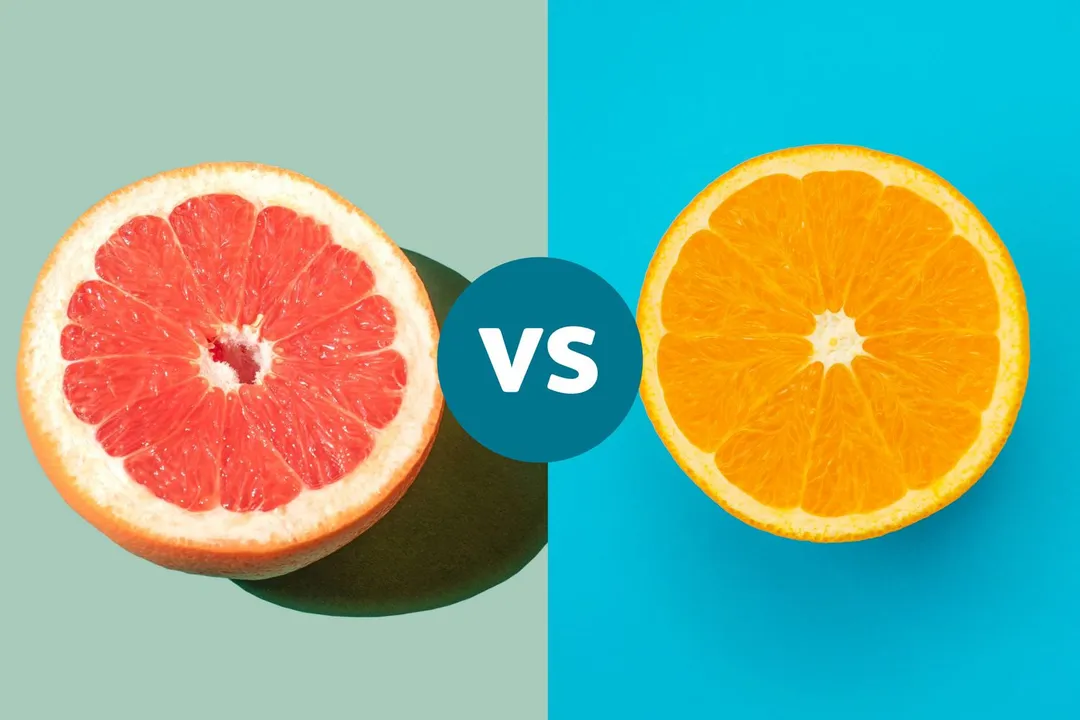
Oranges are often the benchmark when discussing Vitamin C, typically delivering an excellent amount in a single serving. [2] However, other fruits hold their own. For instance, when comparing a standard medium orange to a medium grapefruit, the orange generally edges it out in pure Vitamin C milligrams, though both provide well over the recommended daily intake. [7] Lemons and limes, while often used as flavor enhancers rather than eaten whole, also pack a significant punch relative to their serving size. [3] If your primary health goal for incorporating citrus is maximizing immediate immune support via Vitamin C, the standard orange or even specific varieties like tangerines or mandarins may be the most efficient choice. [8]
# Other Nutrients

While Vitamin C captures the spotlight, citrus fruits offer a spectrum of other beneficial components that contribute to overall wellness, particularly concerning cardiovascular health. [5] Dietary fiber, particularly the soluble kind found in the pulp and membranes, is crucial for maintaining healthy cholesterol levels and supporting gut regularity. [4][6] Fruits that allow you to consume more of the pith and membranes offer superior fiber benefits.
Another important mineral contribution is potassium, which helps manage blood pressure by counteracting the effects of sodium. [9] Furthermore, citrus fruits are rich in flavonoids, which are powerful phytonutrients. Hesperidin, a specific flavonoid prevalent in oranges, has been studied for its potential positive effects on blood vessel function and circulation. [9]
To illustrate the subtle differences between the most common choices, consider a rough comparison of key nutrients in a standard serving of each fruit:
| Fruit | Primary Benefit Focus | Estimated Fiber (g) | Potassium (mg) |
|---|---|---|---|
| Orange | Vitamin C, Hesperidin | ~3.1 [4] | ~237 [9] |
| Grapefruit | Vitamin A, Fiber | ~2.1 [4] | ~216 [5] |
| Lemon/Lime | Flavor boost, low calorie | Minimal (used as garnish) | Low (small serving size) |
It is worth noting that a simple, practical strategy for boosting overall nutrient status when consuming any citrus fruit is pairing it strategically. For example, enjoying an orange alongside a spinach salad is a fantastic way to enhance your body's ability to absorb the iron present in the greens, thanks to the high Vitamin C content. [9] This synergy turns a good meal into a great one by maximizing nutrient bioavailability.

# Grapefruit Specifics

Grapefruit often distinguishes itself in nutritional analyses, largely due to its combination of high fiber and unique antioxidant profiles, which lean heavily toward heart health support. [5][7] While it may trail the orange slightly in Vitamin C, it is a strong source of Vitamin A in some varieties, which is essential for vision and immune function. [7]
However, any discussion of grapefruit must include a necessary caution: interactions with certain medications. Grapefruit contains compounds called furanocoumarins that can affect how the liver processes specific drugs, leading to higher or lower concentrations of medication in the bloodstream. [5] This is not a concern with oranges or other common citrus fruits, making grapefruit a less universally recommended choice if a person is on prescription medications without checking for potential interactions first. [7] This dependency on personal medical status provides a significant distinction when determining which fruit is "healthiest" for an individual.
# Supporting Cast
While oranges and grapefruits dominate the conversation, other members of the citrus family deserve recognition for their specific attributes. Limes and lemons, for example, are fantastic additions to water or meals for flavor without adding significant sugar or calories. [3] While eating a whole lime isn't common, squeezing its juice over fish or into a drink still provides a beneficial dose of Vitamin C and bioactive compounds. [3]
Mandarins, clementines, and tangerines are often prized for their ease of peeling and high sweetness, making them excellent, accessible snacks. [8] Their nutritional makeup is very similar to that of an orange, providing high levels of Vitamin C and beneficial carotenoids, but they are generally smaller, meaning the total nutrient load per fruit might be slightly lower than a large navel orange. [8] For situations where convenience and portion control are key, these smaller segments shine.

# Choosing Wisely
If a definitive, single answer for the "healthiest citrus fruit" were required, it would likely fall to the orange because it offers the best overall balance: high in Vitamin C, a good source of potassium and fiber, and lacking the potential drug interaction concerns associated with grapefruit. [1][7] It delivers its benefits reliably across the spectrum of general health markers.
However, the real insight lies in variety. The human body benefits most from a wide array of nutrients, not just a surplus of one or two. Therefore, the best approach is dietary rotation. Start your week with oranges for a Vitamin C push, incorporate grapefruit (if safe for you) a couple of times for its unique flavonoid benefits, and finish by flavoring your water with lemons and limes for hydration and zest. [3][5] This integrated approach respects the distinct strengths of each fruit, ensuring you receive the full spectrum of health advantages the Citrus family has to offer, rather than settling for just one favorite. [10]
Related Questions
#Citations
This Is the Healthiest Citrus Fruit You Can Eat, According to a Health ...
6 Healthy Citrus Fruits - Health US News
Boost your senses with citrus fruits - Mayo Clinic Health System
Top 17 Citrus Fruits and Their Health Benefits - Nutrition - Dr. Axe
Tart and Tasty Citrus Fruits Good for Your Heart! - WakeMed
What is the differences in citrus fruits? : r/nutrition - Reddit
Grapefruits vs. Oranges: Which Citrus Fruit Has More Vitamin C and ...
Dr. Maya Rosman reveals: Which citrus fruit is the healthiest for you?
Fruit of the month: Citrus fruits - Harvard Health
This Is the Healthiest Citrus Fruit You Can Eat, According to a Health ...