Is mangosteen one of the healthiest fruits?
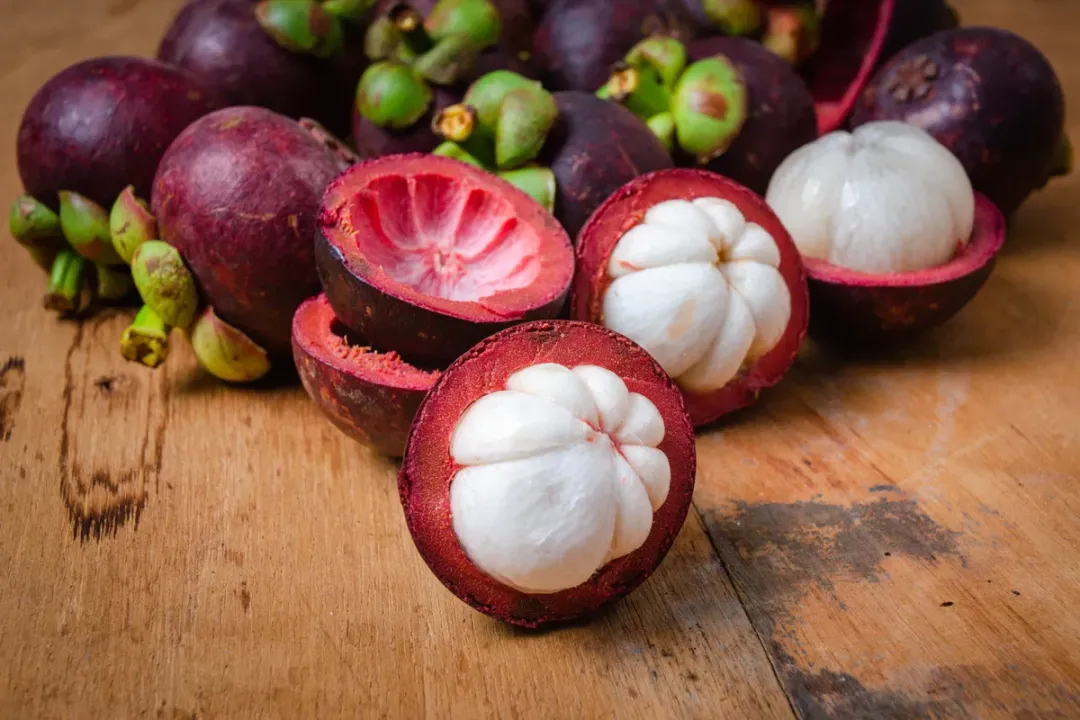
The question of whether any single fruit can claim the title of the "healthiest" is complex, yet the mangosteen, often hailed as the “Queen of Fruits,” certainly merits serious consideration in any discussion of superior nutrition. This deep purple tropical delicacy, native to Southeast Asia, offers a luscious, sweet-tart white flesh encased in a thick, protective rind. While its exotic appeal initially drew enthusiasts, modern science is increasingly confirming that its reputation is rooted in more than just its flavor. The fruit, Garcinia mangostana, delivers a unique package of vitamins, fiber, and, most notably, a distinct class of potent antioxidants that contribute to its impressive wellness profile.
# Nutritional Profile
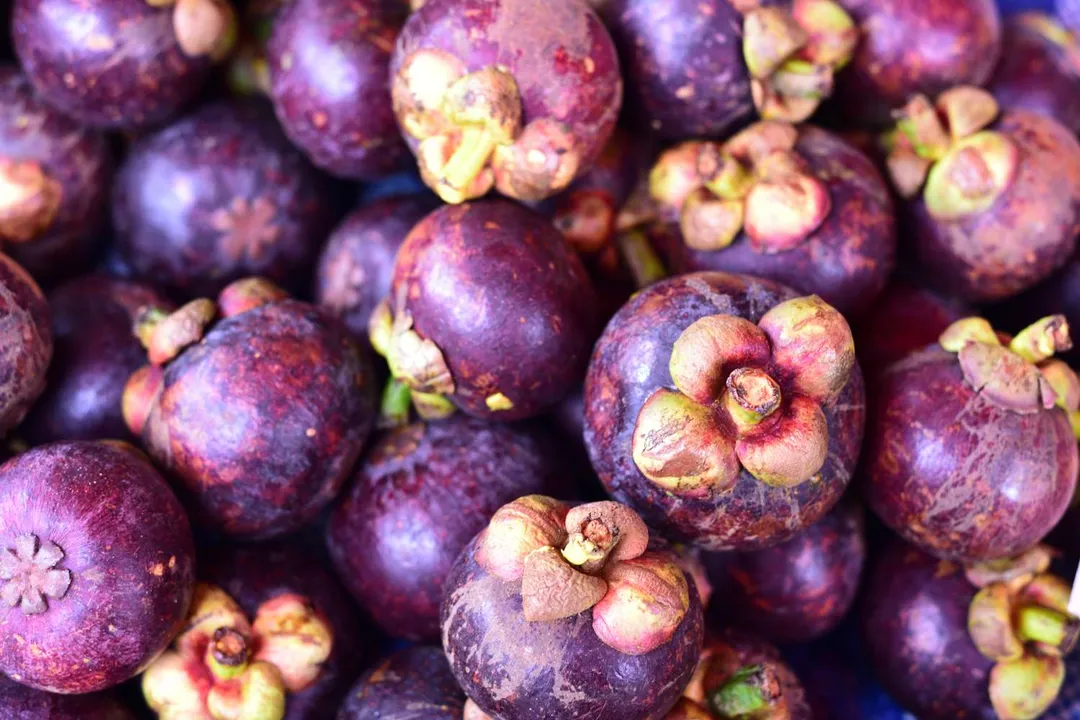
To appreciate its health standing, one must first examine its core composition. Mangosteen is relatively low in calories, yet it provides a concentration of essential micronutrients. Nutritional data can vary slightly depending on the preparation—fresh versus canned, for example—but the general picture remains strong. One 100-gram serving of the purple variety, for instance, is reported to contain about 75 calories, a negligible amount of fat, less than one gram of protein, and approximately 16.8 grams of carbohydrates. Crucially, this serving size delivers 1.8 grams of dietary fiber and a decent dose of Vitamin C (around 13 mg) and Potassium (130 mg). Another source reporting on a 196-gram cup of canned, drained mangosteen lists 3.5 grams of fiber, which amounts to nearly 12.5% of the Daily Value (DV), alongside 15% of the DV for Folate and Copper. For readers accustomed to the staple fruits, these numbers suggest a solid nutritional contribution without a high caloric load.
It is worth noting the subtle variation in reported data. One source cites a single fruit as having approximately 55 calories and 1.4 grams of fiber, whereas another suggests a 100g portion contains 150 kcal and 3.7 grams of fiber. This highlights an important factor for the consumer: when assessing health claims, one must consider the source of the data—whether it reflects the raw, fresh fruit, which is typically lower in sugar and higher in nutrient density, or processed forms. If you are prioritizing an all-natural, unadulterated approach to maximizing the fruit’s inherent qualities, seeking out the fresh form, or juice made from the whole fruit (rind included), becomes a key strategy.
# Antioxidant Power

The most celebrated aspect of mangosteen, often cited as the source of its crown, is its rich supply of antioxidants, specifically the unique class of compounds known as xanthones. These powerful plant compounds are primarily concentrated in the thick, inedible purple rind, or pericarp, of the fruit, though the flesh also contains beneficial elements. Xanthones are renowned for their ability to combat oxidative stress by neutralizing damaging molecules called free radicals. When free radicals overwhelm the body’s defenses, cellular damage ensues, contributing to aging and various chronic illnesses, including heart disease and diabetes.
The specific actions of these compounds are detailed in scientific reviews. For instance, test-tube and animal studies suggest that xanthones exhibit strong anti-inflammatory effects by reducing key inflammatory markers. Compounds like -mangostin and -mangostin have been specifically shown to possess anti-inflammatory activity, sometimes by inhibiting processes like inducible NO synthase. This dual action—powerful antioxidant capacity coupled with direct anti-inflammatory modulation—is what positions mangosteen compounds as subjects of intense interest in functional food research.
# Anti-Inflammatory Actions
Chronic inflammation underlies many modern health challenges, making compounds that can temper this response highly valued. The anti-inflammatory benefit of mangosteen is directly tied to its xanthone content. Research has shown that these extracts can reduce markers of inflammation in the body. In in vitro studies using human cell lines exposed to inflammatory stimuli, -mangostin (at concentrations between 4–10 M) was observed to abrogate the secretion of pro-inflammatory signaling molecules like IL-8 and TNF-. Furthermore, the fruit’s fiber content contributes indirectly, as higher fiber diets are associated with reduced inflammatory responses in some animal models.
It is fascinating to compare this concentrated, targeted action of xanthones with the broader, systemic anti-inflammatory support offered by other fruits rich in general flavonoids and Vitamin C. While a diet rich in varied fruits, such as those containing berries and citrus, provides a wide spectrum of protective polyphenols, mangosteen offers a unique, highly concentrated weapon in the form of xanthones, predominantly located in the often-discarded rind. This distinction suggests a strategic approach: consuming the whole fruit or specialized extracts may yield a more focused anti-inflammatory impact compared to consuming only the sweet pulp.
# Immune System Boost
A strong immune defense relies on several nutritional building blocks, and mangosteen delivers at least two recognized essentials: Vitamin C and dietary fiber. Vitamin C is vital for the proper function of numerous immune cells and acts as an antioxidant itself. Meanwhile, fiber supports the beneficial bacteria residing in the gut, which is a cornerstone of overall immunity. Beyond these standard nutrients, some research suggests that mangosteen compounds may possess direct antibacterial properties, which could further assist the immune system in combating harmful pathogens. One 30-day clinical trial involving healthy adults taking a mangosteen supplement demonstrated not only reduced inflammation markers but also significantly increased numbers of healthy immune cells when compared to a placebo group. This indicates that incorporating the fruit can support immune readiness as part of a broader, balanced diet.

# Skin Health Support
The quest for clear, resilient skin often looks toward both topical treatments and dietary support, and mangosteen shows promise on the latter front. Its effectiveness in this area is attributed to the same anti-inflammatory and antioxidant capabilities that benefit internal systems. Inflammation and bacterial overgrowth are key drivers of common skin issues like acne; the fruit’s properties may help suppress the bacteria (C. acnes) involved while simultaneously calming redness.
More compelling evidence relates to aging and environmental damage. One animal study suggested that supplemental mangosteen extract offered a protective effect against damage caused by ultraviolet-B (UVB) radiation from the sun. Even more directly applicable to human experience, a small, three-month study noted that participants consuming a daily dose of mangosteen extract experienced significantly more elasticity in their skin and observed less accumulation of a compound associated with skin aging. While researchers continue to investigate the optimal forms and dosages, the evidence points toward mangosteen as a food that supports skin integrity from the inside out.
# Applications in Metabolic Health
For readers concerned with maintaining stable metabolic markers, mangosteen presents several interesting areas for inclusion.
# Blood Sugar Regulation
The fruit’s fiber content, which includes pectin, helps stabilize the system by slowing down the absorption of carbohydrates, thereby preventing sharp spikes in blood glucose. This mechanism is beneficial for general metabolic health and for those actively managing diabetes. Furthermore, the xanthone compounds may directly assist by improving the body's response to its own insulin. A specific 26-week study focusing on women with obesity found that those consuming a specific dose of supplemental mangosteen extract experienced significant reductions in insulin resistance, a major precursor to type 2 diabetes, when compared to a control group. However, it is an important reality check that achieving the concentrated dose of antioxidants used in that trial would require consuming a substantial, likely impractical, amount of the fresh fruit.
# Weight Management
Mangosteen frequently appears in discussions about weight management, primarily due to its low caloric density relative to its fiber and water content. The fiber content helps promote a feeling of fullness or satiety, which naturally reduces the temptation to overeat. While some early studies on mice showed less weight gain on high-fat diets supplemented with mangosteen, and a small human trial noted lower BMI among extract consumers, experts maintain that more broad-scale human research is needed to firmly establish its role in a dedicated weight loss plan. In the context of a balanced diet, however, it serves as a satisfying, nutrient-dense snack replacement.

# Sourcing Strategy: Pulp vs. Pericarp
Understanding the location of the beneficial compounds is key to maximizing mangosteen's "healthiest fruit" potential. The sweet, palatable white flesh is the part most consumers seek out for its taste, similar to a blend of peach and strawberry. This part provides the hydration, natural sugar, and some vitamins.
However, the true concentration of the powerful xanthones—the compounds linked to the strongest anti-inflammatory, anticancer, and antioxidant claims—resides in the deep purple, bitter pericarp (rind). A significant byproduct of industrial processing is the peel, which can account for up to 6 kg out of every 10 kg of harvested fruit. This reality presents an original point for analysis: If the goal is purely therapeutic delivery of xanthones, the consumer's best option might be a 100% whole-fruit juice or an extract, as these are designed to incorporate the rind, even if the resulting taste is slightly bitter or less appealing than the pure pulp. If one chooses the whole-fruit juice, it is advisable to mix it with other, sweeter juices or blend it into a smoothie to mask the rind’s bitterness, ensuring that the quantity consumed is monitored, as juices can sometimes contain added sugars.
# Clinical Context and Safety Measures
While incorporating whole, fresh mangosteen into a balanced diet is generally deemed safe for most people, the conversation changes significantly when discussing concentrated supplements or extracts. The evidence supporting systemic health changes often stems from these higher-dose preparations, which concurrently raise safety considerations.
The most prominent caution relates to blood clotting. Xanthones, as present in concentrated forms, may slow down the process of blood coagulation by inhibiting platelet aggregation. For individuals on anticoagulant medications, such as warfarin, or those with pre-existing blood clotting disorders, consuming concentrated mangosteen products necessitates prior consultation with a physician due to the increased risk of bruising or bleeding.
Furthermore, the scientific evidence remains incomplete for certain populations. Research has not yet established the safety profile of concentrated mangosteen supplements for women who are pregnant or breastfeeding, making avoidance the recommended precaution during these stages. Beyond medication interactions, research into specific conditions shows mixed results. For example, while animal studies indicated potential for brain health benefits, one clinical trial involving individuals with schizophrenia found that supplementing with mangosteen rind worsened symptom severity over 24 weeks, illustrating that plant extracts are not universally beneficial and context matters greatly. A similar finding noted that mangosteen juice did not reduce physical fatigue during exercise, despite a psychological mood score reporting decreased fatigue, indicating a gap between subjective feeling and objective physiological output in that specific context.
# Culinary Integration and Lifestyle Fit
The ultimate verdict on whether mangosteen is "one of the healthiest fruits" hinges on its ability to be incorporated consistently into a person's lifestyle. Its flavor profile—described as a mix of peach, strawberry, and pineapple with a hint of vanilla—makes the fresh pulp a highly desirable addition to any fruit bowl or tropical salad.
For practical integration into a daily routine, consider these approaches:
- Balanced Pairing: To maximize nutrient absorption and energy stability, pair the fruit with sources of healthy fats or protein. A breakfast of Greek yogurt layered with fresh mangosteen segments and almonds, for example, provides fiber, antioxidants, and sustained energy, aligning with modern nutritional advice to combine macronutrients.
- Mindful Preparation: When using the fruit, remember that the rind is where the xanthone density lies. If you purchase the whole fruit, carefully score the rind to access the inner segments without piercing the flesh, ensuring a clean, juicy experience. If resorting to juice, scrutinize labels for added syrups, preferring 100% whole-fruit versions to capture the maximum bioactive benefit, even if it means accepting a slightly astringent taste.
Mangosteen is an excellent example of how traditional wisdom and modern scientific scrutiny meet. It provides good levels of fiber, Vitamin C, and minerals, positioning it well within a healthy diet. Its unique array of xanthones offers a powerful, concentrated defense against oxidative stress and inflammation that few other commonly eaten fruits can match. While many of its most profound claims—like cancer prevention or significant weight loss—are largely supported by in vitro or animal models requiring extract doses, its established roles in general antioxidant defense and digestive support are significant. Therefore, mangosteen earns its royal title not by being a miracle cure, but by being a scientifically fascinating, delicious, and valuable contributor to a varied, plant-rich eating pattern.
Related Questions
#Citations
11 Health Benefits of Mangosteen (And How to Eat It)
10 Amazing Health Benefits of Mangosteen: The Queen ...
Nutritional, Pharmacological and Industrial Applications of ...
The Powerful Health Benefits Of Mangosteen Fruit
Mangosteen Ayurveda Uses, Benefits & Side Effects
Mangosteen: 7 Benefits, Types, Nutrition & How to Eat
10 Benefits of Mangosteen for Your Health - prodia
What Happens to Your Body When You Eat Mangosteen ...
The Health Benefits of Including Fresh Fruit in Your Diet