What causes sour foods to taste sweet when consuming *Synsepalum dulcificum*?
Answer
Miraculin, a specific glycoprotein
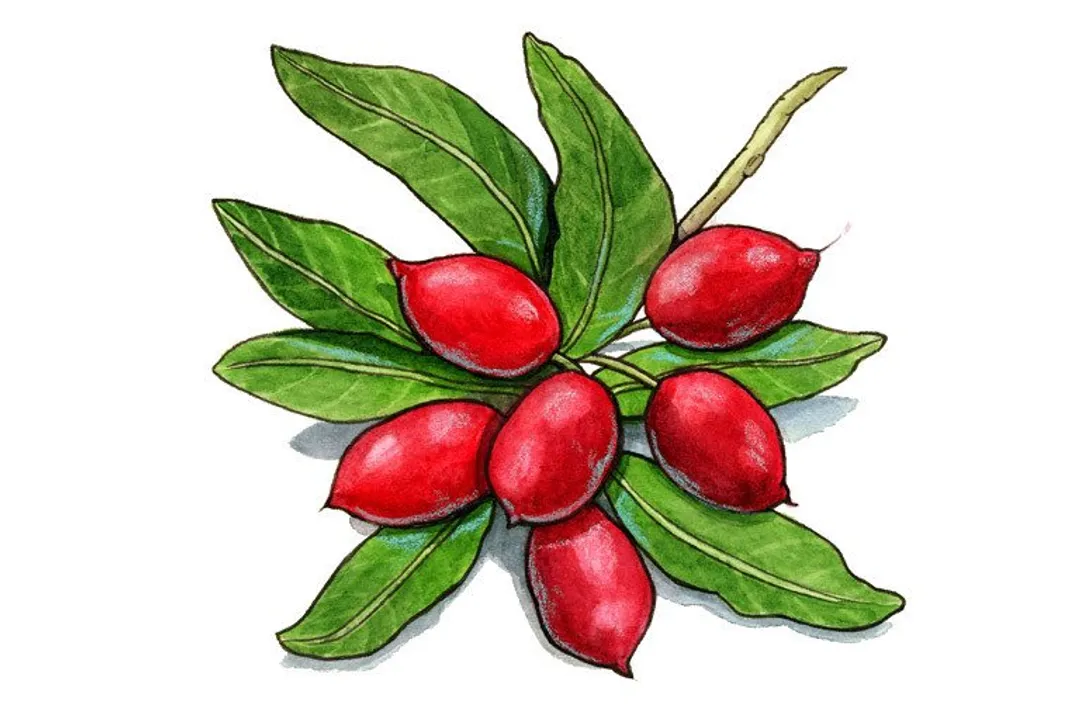
The unique taste-altering capability of the miracle fruit is attributed entirely to a specific glycoprotein called miraculin. This protein possesses the unique biochemical property of binding to the sweet taste receptors located on the tongue. Crucially, this binding and subsequent activation of the sweet taste pathway only occurs when the environment is acidic, such as when consuming sour foods like lemons or vinegar. This interaction effectively tricks the palate into interpreting tartness as intense sweetness. This effect is temporary, usually lasting for an hour or two, and is distinct from the metabolic effects being investigated in other parts of the plant, such as cholesterol management.
Related Questions
What causes sour foods to taste sweet when consuming *Synsepalum dulcificum*?Which compounds in miracle fruit seeds reportedly reduced TC by 15% to 20% in hamsters?What compound in *S. dulcificum* leaves showed 92.5% improvement for total cholesterol in the zebrafish model?Which part of the fruit reduced the bioaccessibility of cholesterol by 32% in *in vitro* digestion models?How does miraculin, the taste-modifying glycoprotein, function on the tongue?What are the two specific triterpenoids isolated that reduced TC in test subjects?What specific caution is advised for individuals taking diabetes medications when considering *S. dulcificum*?What is the European Union regulatory status for general consumption of *Synsepalum dulcificum*?In *in vitro* digestion models, which extract showed greater inhibition of pancreatic lipase compared to seed extracts?Why are systemic cholesterol effects not typically expected solely from occasional fresh berry consumption?