What is the outcome regarding heat-sensitive vitamins when comparing steaming/microwaving versus long, slow roasting of squash?
Answer
Steaming or microwaving often preserves more heat-sensitive vitamins, like Vitamin C in yellow squash.
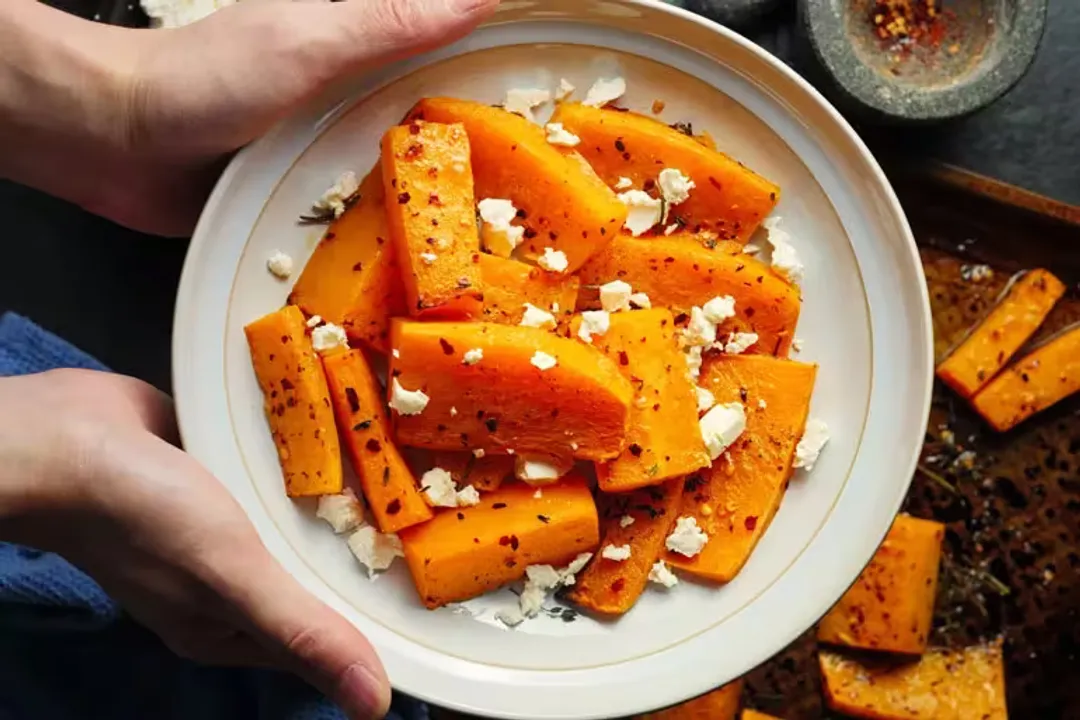
The method used for cooking squash significantly impacts the retention of various nutrients. Gentle, quicker cooking methods such as steaming or microwaving are generally more effective at preserving heat-sensitive vitamins. Specifically, Vitamin C, which is readily degraded by prolonged exposure to high heat, tends to be retained in greater amounts when using these faster methods, such as when preparing yellow squash. Conversely, long, slow roasting, while excellent for enhancing the sweet flavor profile characteristic of winter squashes, results in greater loss of these heat-sensitive components.
Related Questions
Which nutrient is darker-fleshed butternut squash generally richer in compared to lighter varieties like zucchini?What role does potassium found in many squashes play in supporting metabolic health?What digestive repercussions might occur from suddenly increasing daily squash intake significantly?What are the most immediate effects noted when someone commits to eating zucchini every day?Why must individuals managing Chronic Kidney Disease (CKD) be cautious regarding high potassium squash intake?Which specific antioxidant vitamin stands out as a good source in yellow squash?What is the outcome regarding heat-sensitive vitamins when comparing steaming/microwaving versus long, slow roasting of squash?How does the inherent fiber in squash contribute to maintaining steady energy and metabolic health?According to the suggested daily cycle table, which primary benefit is highlighted for Tuesday's Butternut squash focus?What secondary, positive outcome often results from intentionally sustaining a single-vegetable focus like daily squash consumption?