What happens if I eat mini tomatoes every day?
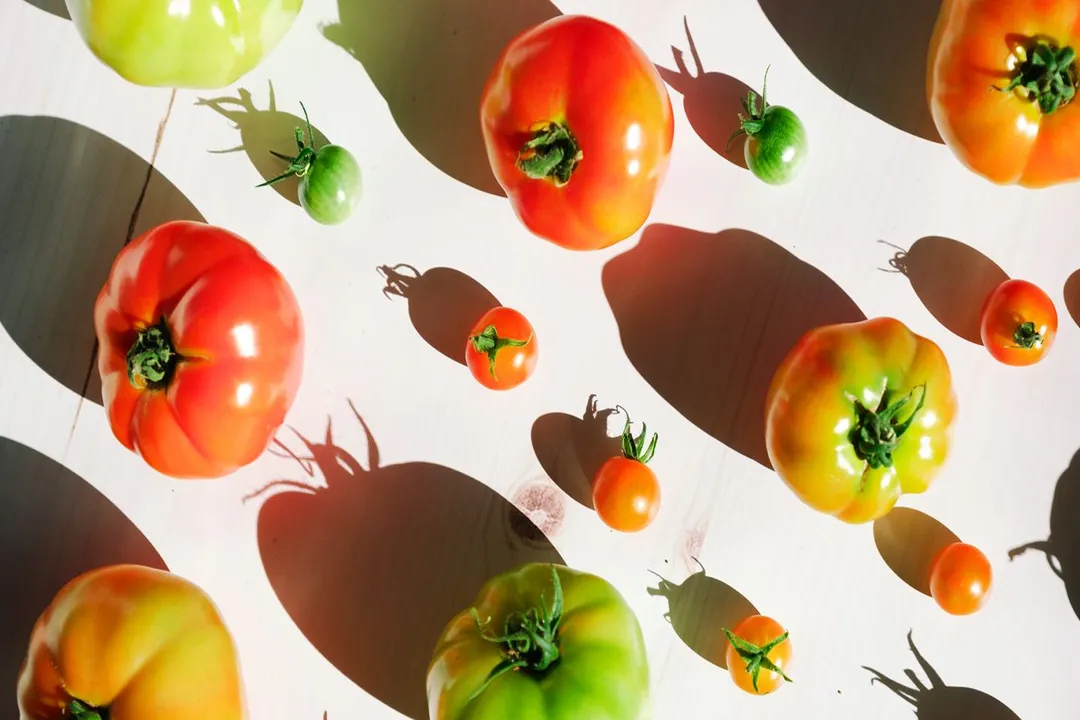
The habit of popping a few mini tomatoes into your mouth throughout the day, whether as a snack or tossed into a salad, is widespread, given their convenient size and sweet burst of flavor. [1] Many people wonder what the actual physiological impact would be if this small indulgence turned into a daily commitment. While tomatoes are celebrated as a powerhouse food, understanding the long-term effects of consistent, daily intake requires looking at both their impressive nutritional profile and the potential pitfalls of overconsumption. [8][9]
# Key Nutrients
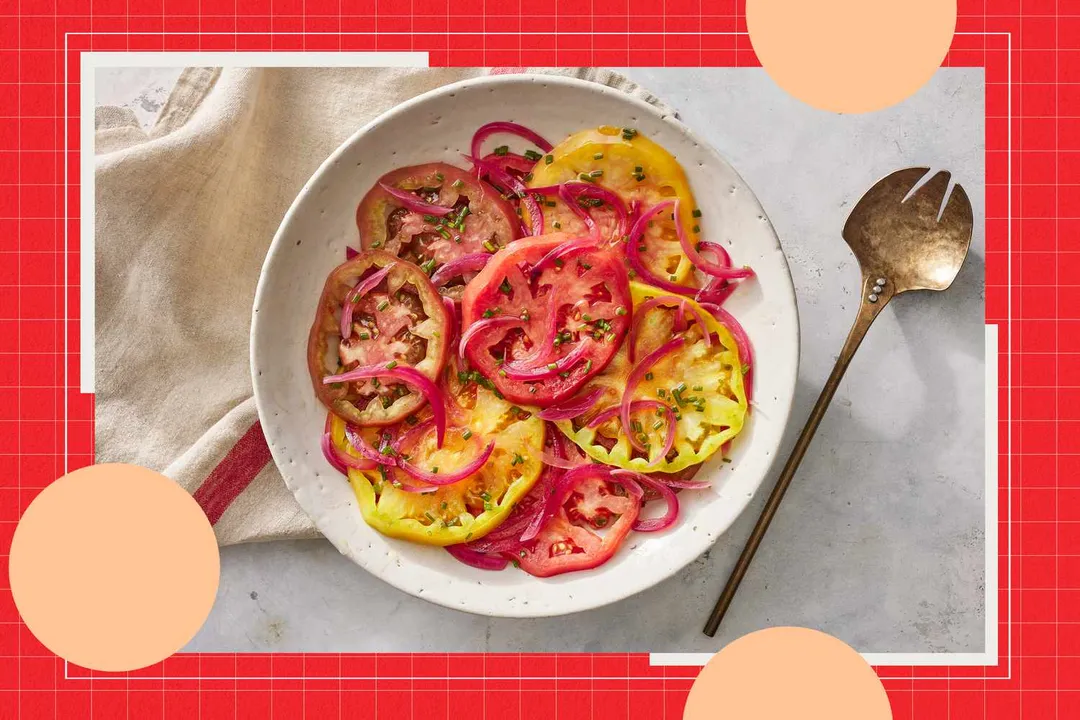
Tomatoes, including their smaller counterparts like cherry or grape varieties, are renowned for their rich nutrient density despite being low in calories. [2] They are excellent sources of several essential vitamins and minerals that support bodily functions. For instance, they provide significant amounts of Vitamin C, which is vital for immune health and collagen production. [6][7] Furthermore, they contribute potassium, necessary for maintaining healthy blood pressure, and Vitamin K, important for blood clotting and bone health. [2][7]
The real headline nutrient, however, is lycopene. [2] This powerful carotenoid is what gives tomatoes their vibrant red hue and acts as a potent antioxidant. [6] Lycopene has been strongly linked to numerous health advantages, sometimes even more so when the tomato is cooked or processed, although raw intake still provides benefits. [7] Other beneficial plant compounds present include beta-carotene, naringenin, and chlorogenic acid. [6] Comparing the general consensus, sources agree that these phytonutrients offer protection against cellular damage caused by free radicals. [2][6]
# Heart Health
One of the most frequently cited benefits of making tomatoes a daily staple relates directly to cardiovascular wellness. [6][7] The combination of potassium and lycopene works synergistically to support heart function. [2] Potassium helps manage blood pressure by balancing out sodium levels. [7] Meanwhile, studies suggest that lycopene intake can help reduce levels of LDL cholesterol, often termed the "bad" cholesterol, which is a key factor in reducing the risk of heart disease. [6][2] For someone tracking their intake, even just a cup of cherry tomatoes can offer a substantial dose of these protective elements. [1] The person documenting their week of daily tomato eating noticed this general feeling of well-being, which often correlates with improved systemic health markers like blood pressure regulation, even if they didn't feel an immediate, dramatic shift. [1]
# Skin and Vision

Daily tomato consumption appears to offer rewards for outward appearance and internal sight protection as well. [7] Lycopene's antioxidant properties are not limited to internal organs; they also extend to protecting the skin from sun damage, although this should never replace sunscreen. [6] Consistent intake of this compound may contribute to healthier, less damaged skin over time. [7] From a vision standpoint, the presence of lutein and zeaxanthin, two carotenoids, is significant. [6][7] These compounds accumulate in the retina and help filter harmful blue light, potentially reducing the risk of age-related macular degeneration. [6] Eating tomatoes regularly ensures a steady supply of these essential eye-protective agents.
# Digestive Considerations
When moving toward a daily habit, digestive impact becomes a key consideration, especially when discussing small, easily consumed items like mini tomatoes. [9] Generally, tomatoes are good for digestion because they are high in water and fiber, aiding in regular bowel movements. [9] The fiber content helps maintain gut health. [7] However, this benefit can quickly flip for some individuals. Tomatoes are naturally acidic, and for people prone to gastroesophageal reflux disease (GERD) or heartburn, eating them daily, especially on an empty stomach, can trigger uncomfortable symptoms. [4] One user on a discussion forum mentioned that while they love tomatoes, they had to limit intake because the acidity led to noticeable irritation. [4] It is crucial to monitor how your own digestive system reacts to this acidity over consistent daily use.

# Quantity Matters Immensely
The question of what happens when you eat tomatoes daily heavily depends on how much constitutes "daily" consumption. [5] Eating a handful (perhaps one to two cups) as part of a balanced diet is generally beneficial, as supported by general health guides. [7][8] However, the extreme scenario—eating a very large amount, such as the 1 KG daily for a year mentioned in one query—raises different concerns. [5] While tomatoes are nutritious, consuming an excessive amount of any single food can displace other necessary nutrients, leading to an unbalanced diet. [5]
If someone were to consume 1 KG of tomatoes daily, they would be ingesting a significant, albeit still relatively low, amount of calories, but they would also be consuming high levels of potassium and Vitamin A. [5] An original insight here is to consider the sheer volume of tomatoes versus other necessary components of a diet. If 1 KG of tomatoes (approximately 200-250 small mini tomatoes) replaces a serving of whole grains, lean protein, or diverse vegetables, the long-term effect isn't tomato toxicity, but rather nutritional deficiency from exclusion. [5] A practical guideline for most people seeking benefits without risk is to aim for at least half a cup to one full cup of raw or cooked tomatoes per day, which is easily achievable with mini varieties, rather than attempting to eat several pounds. [1][9]
# Potential Side Effects of High Intake
Beyond general acidity, the intense focus on any one food can bring minor, specific issues to light. [4][5] One consideration stemming from the high carotenoid content relates to lycopenemia. This is a harmless condition where excessive consumption of lycopene-rich foods, like tomatoes, causes the skin to develop a slight orange or yellowish tint due to the pigment buildup. [4] While this is purely cosmetic and reversible by reducing intake, it's a noticeable effect of very high daily consumption. [4]
Another point of caution mentioned in discussions relates to allergies or sensitivities. [9] While uncommon, some individuals may be allergic to tomatoes or sensitive to nightshades, meaning a daily habit could lead to chronic inflammatory responses, though this is not common for the general population. [9] If someone experiences unexplained joint pain or digestive distress while increasing tomato intake dramatically, ruling out a sensitivity to the nightshade family—which includes tomatoes—is a sensible step. [4]

# Maximizing Benefits
The way you consume your daily mini tomatoes can drastically alter the nutritional payoff. [7] While eating them raw provides a boost of Vitamin C, which is sensitive to heat, cooking tomatoes actually increases the bioavailability of lycopene. [7][6] This means your body can absorb and use the lycopene more efficiently when it’s been heated. [7]
To get the best of both worlds—raw Vitamin C and cooked lycopene—a rotation is ideal. For example, enjoying a morning snack of raw mini tomatoes and then adding some to a light pasta sauce or soup for dinner ensures you cover the spectrum of benefits. [1]
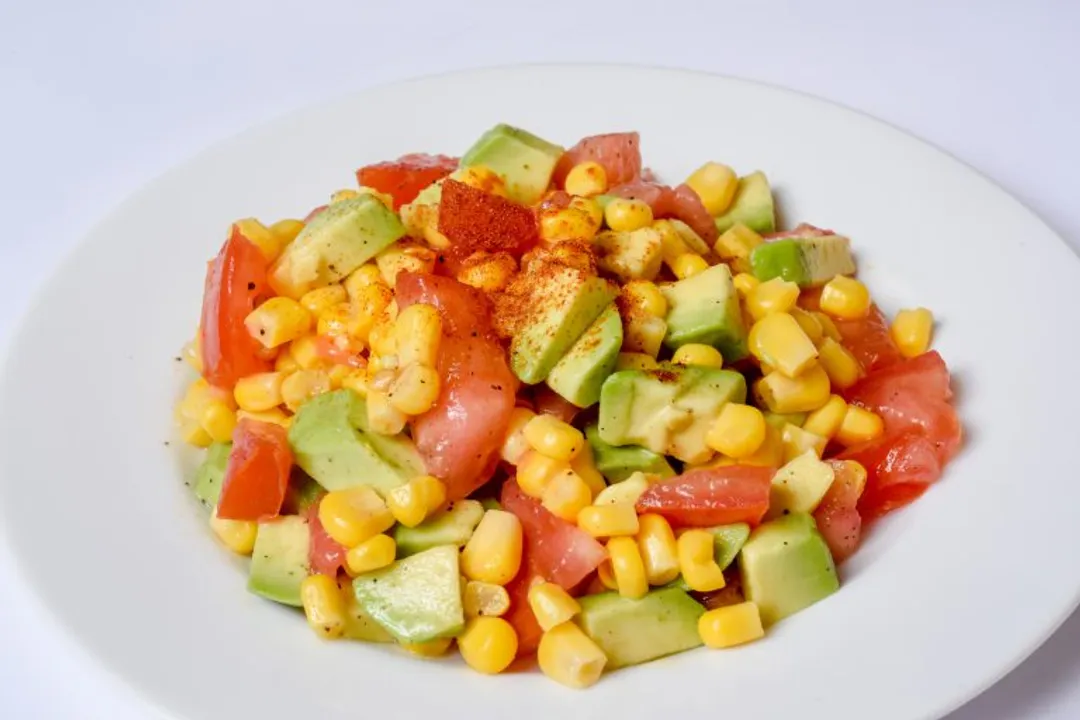
An additional actionable tip to increase efficacy centers on fat absorption. Lycopene is a fat-soluble compound. [7] This means that consuming tomatoes with a source of healthy fat significantly boosts how much lycopene your body actually retains from the meal. A simple addition, such as drizzling your daily serving of mini tomatoes with a little extra virgin olive oil or serving them alongside avocado slices, is far more effective nutritionally than eating them plain, especially if you are seeking cardiovascular benefits. [7] This simple pairing maximizes the absorption of the most prized component of the tomato. [6]
# Comparative Analysis: Mini vs. Standard
When focusing specifically on mini tomatoes, the nutritional concentration per gram might vary slightly from large slicing tomatoes, but the core components—lycopene, vitamins, and water content—remain the same. [2] The key difference is convenience and portion control. Mini tomatoes make it very easy to hit a baseline daily serving without the need for chopping or slicing, which contributes to adherence. [1] This ease of access is likely why a daily habit forms so readily with them. [3] However, if one is aiming for the high end of lycopene intake associated with therapeutic effects, they might need to consume a physically larger volume of mini tomatoes compared to eating a small portion of concentrated tomato paste or sauce. [7]
The data suggests that consistency is more beneficial than sporadic mega-doses. [8] Whether you choose the sweet burst of a sun-gold mini or the deep flavor of a Roma, the important element is establishing that regular intake pattern to benefit from the antioxidants over time. [6]
# Summary of Daily Intake
Making mini tomatoes a reliable part of your daily food intake appears overwhelmingly positive for the majority of people. [8] You can expect benefits relating to cardiovascular health, improved antioxidant status, and potential skin protection due to consistent micronutrient delivery. [2][6] The experience of another person who committed to eating tomatoes daily for a week showed no adverse effects, only positive feelings associated with eating more whole foods. [1]
However, this positive assessment comes with the necessary caveats that emphasize moderation and individual physiology. [4][5] If you struggle with heartburn, watch the timing and amount eaten raw. If you eat an extreme volume, you might see temporary skin discoloration (lycopenemia). [4] For sustained health advantages without introducing nutritional gaps, integrate a moderate, manageable portion of mini tomatoes into your routine—perhaps one to two cups—and remember that pairing them with a healthy fat source, like olive oil, is the best way to ensure your body capitalizes on that daily lycopene investment. [7]
Related Questions
#Citations
'I Ate Tomatoes Every Day for a Week—Here's What Happened'
What Happens to Your Body When You Eat Tomatoes Regularly
If you eat tomatoes everyday, this is what happens to your body
Eating too many tomatoes? - Reddit
What will happen if I eat 1 KG of tomatoes daily for a year? If ... - Quora
Top 10 Health Benefits of Eating Tomatoes
The Health Benefits of Tomatoes - WebMD
Is It Good to Eat Tomatoes Every Day? | N.C. Cooperative Extension
Tomato Guide: Nutrition, Benefits, Side Effects, and More