What enzyme breaks down glucosinolates into isothiocyanates?
Answer
Myrosinase
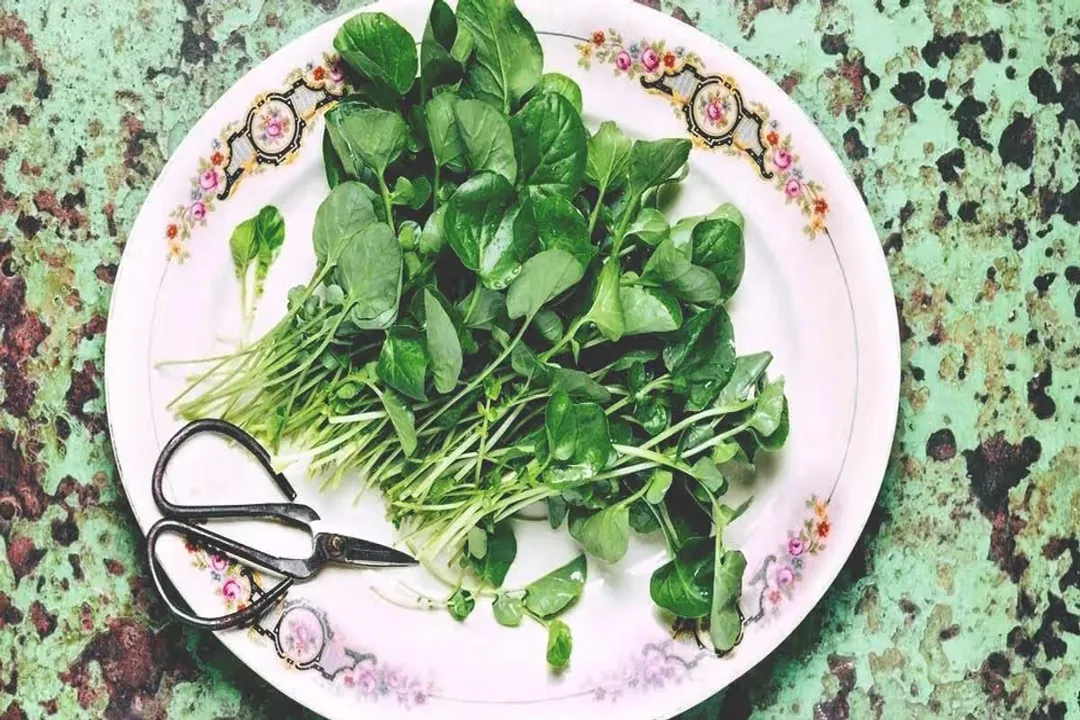
The transformation of cress's protective compounds involves a specific enzymatic reaction. When the cress—either watercress or garden cress—is subjected to mechanical disruption, such as chewing or chopping, the enzyme myrosinase becomes active. This enzyme then acts directly upon the glucosinolates present in the plant tissue. The action of myrosinase results in the breakdown and subsequent creation of biologically active compounds, the most prominent of which are isothiocyanates (ITCs), which are responsible for many of the noted health benefits.
#Videos
Watercress as Medicine with Dr Kyle Stewart
Related Questions
What fundamental process relies on Vitamin K, abundant in watercress?What compound found in watercress converts to Vitamin A in the body?What enzyme breaks down glucosinolates into isothiocyanates?How do isothiocyanates (ITCs) influence the body's pathways?Which two carotenoids accumulate in the eye's macula for protection?Besides acting as an antioxidant, what structural support does Vitamin C aid?What preparation method best preserves the cancer-fighting glucosinolates?What benefit does cress fiber provide to gut bacteria?Approximately what percentage of daily Vitamin K does one cup of watercress provide?Which compounds combat oxidative stress linked to heart disease in cress?