What does cress do for your body?
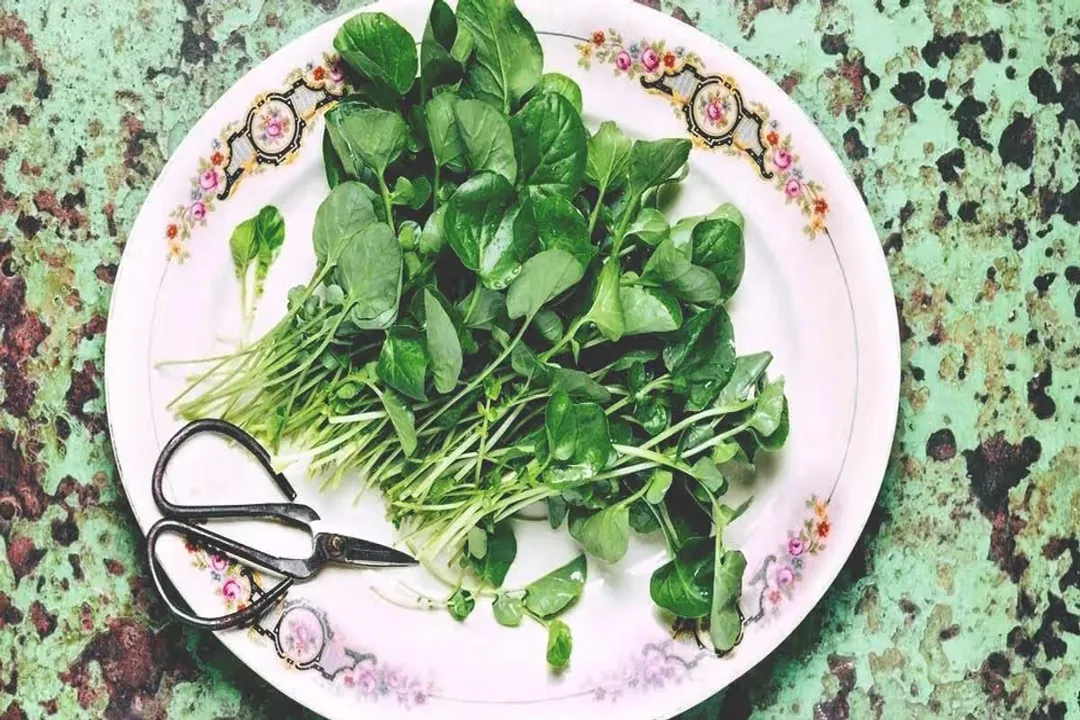
The small, often peppery green known as cress offers a surprisingly concentrated dose of beneficial compounds that contribute significantly to overall bodily function and long-term wellness. While often grouped together, varieties like watercress and garden cress carry distinct nutritional profiles, though both contribute positively when added to the diet. [10] When you look at the sheer volume of vitamin K, for instance, watercress delivers roughly 150% of the daily requirement in just one cup, making it a powerhouse that carries very few calories, primarily due to its high water composition. [1][7] This immediate density of essential micronutrients is where cress first makes its mark on your health.
# Vitamin Powerhouse
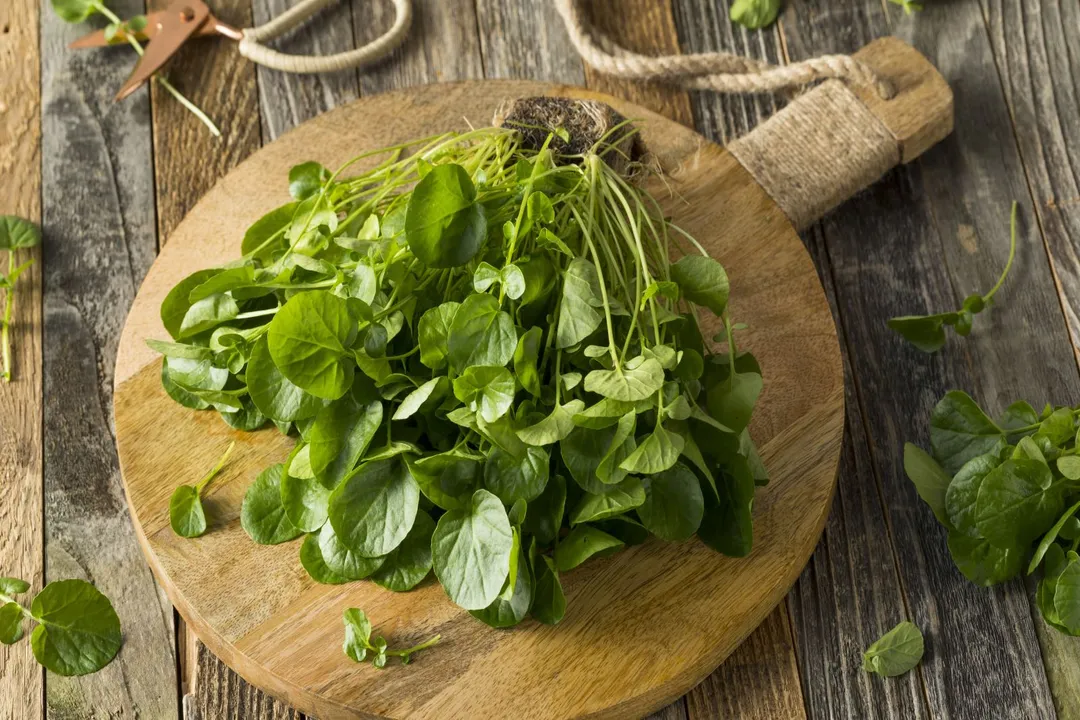
Cress is exceptionally rich in several key fat-soluble and water-soluble vitamins essential for various bodily processes. [7] Watercress, in particular, stands out as a powerhouse source of Vitamins A, C, and K. [1]
Vitamin C is vital for the immune system, acting as an antioxidant that helps protect cells from damage. [7][2] Furthermore, this essential nutrient supports collagen production, which is crucial for maintaining healthy skin, blood vessels, and tendons. [2]
The Vitamin A content in watercress comes in the form of beta-carotene, a powerful carotenoid that the body converts into the necessary vitamin. [1] This conversion supports sharp vision and contributes to skin health. [7][2]
Perhaps most remarkable is the contribution of Vitamin K. This vitamin is fundamental for blood clotting mechanisms and plays a direct role in bone health by assisting in the proper utilization of calcium. [7][1] Given that a single serving can exceed the daily recommended intake for Vitamin K, regular consumption aids the body in maintaining strong skeletal structure and efficient circulatory function. [2]
# Disease Defense
Beyond basic vitamin requirements, cress contains phytochemicals that have garnered significant attention for their potential protective qualities against chronic diseases. [4] The magic lies largely within compounds called glucosinolates. [1]
When cress is chewed or chopped, an enzyme called myrosinase acts upon these glucosinolates, breaking them down into biologically active compounds, most notably isothiocyanates (ITCs). [1][4] The most studied of these is sulforaphane. [4]
Scientific inquiry suggests that these isothiocyanates can influence the body’s detoxification pathways, potentially helping to neutralize harmful substances before they can cause cellular damage. [1][4] This mechanism is why watercress has been a focus in research concerning cancer prevention, particularly for certain types of cancer such as lung, colon, and breast cancers, although more human clinical data is often needed to confirm efficacy across populations. [4][2] Some studies have shown that ITCs can inhibit the activity of specific enzymes that promote cancer growth. [4]
The presence of flavonoids and carotenoids also contributes to cress's protective capacity. These antioxidants work to combat oxidative stress throughout the body, which is a driving factor in aging and the development of various chronic ailments, including heart disease. [1][2] By managing free radicals, cress helps maintain the integrity of blood vessel linings, supporting overall cardiovascular function. [1]

# Bone Health
The structural integrity of your skeleton relies heavily on a steady supply of specific nutrients, and cress delivers strongly in this area, particularly through its Vitamin K content. [7] Vitamin K is not just about clotting; it's essential for activating specific proteins, such as osteocalcin, which help bind calcium within the bone matrix. [1]
While dietary calcium and Vitamin D often get the spotlight for bone maintenance, ensuring adequate Vitamin K intake—which watercress provides readily—is a complementary strategy for bone strength and reducing the risk of fractures later in life. [7] If you are supplementing with calcium, ensuring you also consume K-rich foods like cress helps your body effectively use that mineral where it matters most. [2]
# Eye Function
Maintaining clear vision as we age is a priority for many, and the nutrients found in cress support the structures responsible for sight. [1] The beta-carotene, which converts to Vitamin A, is a precursor to rhodopsin, a pigment critical for low-light vision. [1][7]
Furthermore, watercress contains lutein and zeaxanthin, two carotenoids known for accumulating in the macula of the eye. [1] These compounds act as natural filters, helping to protect the eyes from damaging blue light and reducing the risk of age-related macular degeneration (AMD). [2]
# Digestive Ease
Cress contributes positively to the gastrointestinal system through two primary mechanisms: water content and dietary fiber. [7]
With a high water percentage, cress contributes to daily hydration goals, which is essential for nearly every bodily function, including nutrient transport and waste removal. [7] Eating water-rich foods is an often-overlooked method for staying hydrated throughout the day.
The fiber content, though not as high as in grains or legumes, is valuable in a leafy green source. [7] Fiber adds bulk to stool, promoting regular bowel movements and helping to prevent constipation. [2] A healthy gut flora also benefits from this indigestible plant matter, as fiber acts as a prebiotic, feeding the beneficial bacteria residing in the colon. [7]
For those aiming to manage weight, incorporating low-calorie, high-water-volume foods like cress can promote satiety, helping you feel fuller on fewer calories. [2]
# Varieties and Preparation
While watercress is perhaps the most nutritionally studied variety, garden cress also offers benefits, often being used more for its sharp flavor accent in sandwiches or garnishes. [10] Garden cress is also a source of vitamins, minerals, and fiber, though nutrient concentrations may vary compared to its aquatic cousin. [9]
For those aiming to harness the full cancer-fighting potential locked within its glucosinolates, consuming watercress raw, perhaps lightly dressed with lemon juice (to aid conversion), preserves these delicate compounds far better than prolonged heat exposure. [1][4] A quick wilt is acceptable, but boiling will strip away a significant portion of these sulfurous benefits. [7] If you prefer cooked cress, steaming briefly or incorporating it into a soup right at the end of cooking minimizes nutrient loss while still adding flavor and bulk. [7]
When purchasing, look for vibrant, dark green leaves that are crisp and free from sliminess or yellowing. [7] Storing cress properly, often by treating it almost like a bouquet of flowers (stems in a little water, loosely covered in the fridge), helps maintain its texture and nutritional profile longer than simply tossing it into a vegetable drawer. [7] This simple step can make the difference between using it promptly and finding it wilted before you get a chance to reap its rewards.
#Videos
Watercress as Medicine with Dr Kyle Stewart
Related Questions
#Citations
10 Impressive Health Benefits of Watercress
Health Benefits of Watercress
3 Reasons Why Watercress Is the Healthiest Vegetable
Garden cress seeds: a review on nutritional composition ...
Watercress as Medicine with Dr Kyle Stewart
12 Amazing Health Benefits of Watercress (English) YouTube ...
Top 10 health benefits of watercress
Garden Cress: Health Benefits, Side Effects, Uses, Dose & ...
Garden cress seed: A review of its functional and medicinal ...