What does cannabis do for the body?

The interaction between cannabis and the human body is complex, involving intricate signaling pathways that influence everything from mood and memory to appetite and pain perception. When someone consumes cannabis, compounds within the plant interact with specialized receptor sites found throughout the body, primarily within the central nervous system, but also in peripheral organs. This interaction is what produces the range of effects, both perceived and physiological, that users experience. Understanding what happens requires looking past the simple act of consumption and focusing on the biological machinery being engaged.
# Internal Receptors
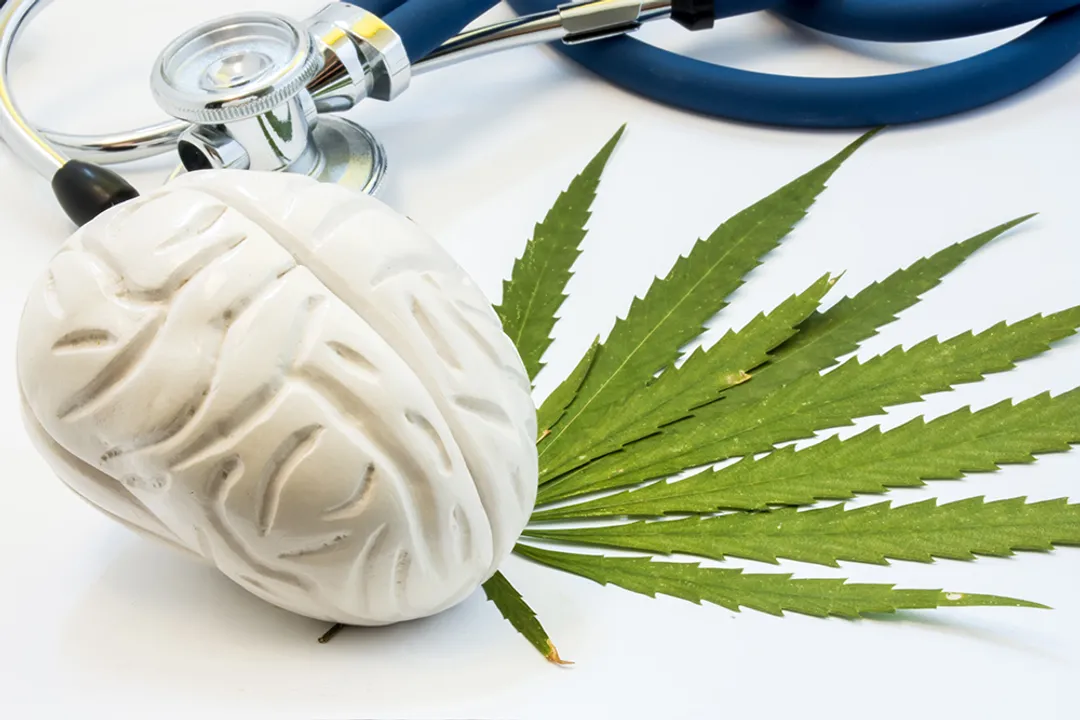
The primary mechanism through which cannabis exerts its effects involves the endocannabinoid system (ECS). This system is a vast network of receptors, signaling molecules (endocannabinoids), and enzymes that the body produces naturally. The ECS plays a role in regulating a wide variety of physiological processes, including immune response, mood, sleep, memory, and appetite.
When cannabis is introduced, the compounds mimic the body's natural endocannabinoids, binding to the ECS receptors, most notably the CB1 and CB2 receptors. CB1 receptors are highly concentrated in the brain and central nervous system, which explains the psychoactive and neurological effects associated with cannabis use. CB2 receptors are predominantly found in the peripheral tissues, often linked to immune function and inflammation. By attaching to these sites, cannabis components essentially modify the signals being sent through the ECS, temporarily altering normal bodily functions.
# Main Compounds

Cannabis contains hundreds of chemical compounds, known as cannabinoids, but two are most frequently discussed: delta-9-tetrahydrocannabinol () and cannabidiol (). Their distinct actions within the body lead to very different user experiences and therapeutic potentials.
is the principal psychoactive component of cannabis. It is responsible for the intoxicating high often associated with marijuana use because it binds strongly to the CB1 receptors in the brain. can stimulate appetite, alter pain perception, and affect short-term memory.
, conversely, is non-intoxicating. It does not bind strongly to the CB1 receptor in the same way does. Instead, interacts with other receptors in the body and may even modulate the effects of . People seek for its potential anti-inflammatory, anti-anxiety, and anti-seizure properties.
The precise ratio of to in a specific product significantly dictates the overall effect profile. For instance, a product high in but low in might provide physical relief without the notable mental alteration that high- strains produce. It is worth noting that even when using products with similar listed percentages, slight variations in cultivation or extraction methods can lead to noticeable differences in subjective effects, meaning consistency in dosage or strain selection is critical for predictable outcomes.

# Brain Function
The impact of cannabis on the brain is perhaps the most studied area, largely due to the psychoactive effects of . In adults, acute cannabis use can impair coordination, judgment, attention, and short-term memory. These effects typically result from interfering with the communication between neurons in brain areas responsible for these functions.
The consequences can be more pronounced for adolescents whose brains are still developing. Since the ECS plays a role in the development of brain circuits, introducing external cannabinoids like during this critical period may lead to lasting changes in brain structure and function. Studies suggest that heavy, persistent cannabis use starting in adolescence is associated with cognitive changes that can persist into adulthood. Furthermore, cannabis use can increase the risk of certain mental health issues, such as psychosis, particularly for individuals who are already vulnerable or predisposed.
For the adult brain, acute use can cause short-term problems like:
- Altered sensory perception
- Impaired problem-solving
- Difficulty maintaining attention
However, some research suggests that may offer neuroprotective qualities, though this is an area requiring further investigation.
# Physical Organs
Beyond the central nervous system, cannabis affects other major systems, though the data here can sometimes be less definitive than neurological findings.
# Cardiovascular System
Short-term use of cannabis, especially products with higher levels, can cause an increase in heart rate and may temporarily raise blood pressure. While a direct causal link between cannabis use and long-term cardiovascular disease is still being investigated, individuals with pre-existing heart conditions should exercise caution.
# Respiratory System
The method of consumption heavily influences the impact on the lungs. Smoking cannabis, much like smoking tobacco, exposes the lungs to tar and other irritants. Frequent and heavy smoking can lead to chronic bronchitis symptoms, including increased cough and phlegm production. Vaping or using edibles removes the combustion byproduct risk, though research into the long-term effects of specific vaping oils remains ongoing.
# Appetite and Digestion
One of the most recognized effects of is its ability to stimulate appetite, often referred to as "the munchies". This property has led to its use in medical settings to combat appetite loss associated with conditions like or during chemotherapy. Conversely, some users report digestive issues, while others find relief from nausea and vomiting.

# Reported Benefits
Many individuals seek out cannabis or its derivatives for specific therapeutic reasons, often under medical guidance for conditions where conventional treatments have proven insufficient. These potential benefits are typically attributed to the interaction of and with the ECS, particularly its role in modulating pain and inflammation.
# Pain Management
One of the most common reasons for using medical cannabis is chronic pain relief. appears to alter the way the brain perceives pain signals. It is often considered for neuropathic pain, which stems from nerve damage, a type of pain that can be difficult to treat with standard painkillers.
# Muscle Spasticity and Seizures
Cannabis-derived products are sometimes used to manage muscle stiffness and spasms associated with conditions like multiple sclerosis (). Furthermore, has shown efficacy in treating certain severe forms of childhood epilepsy, such as Dravet syndrome and Lennox-Gastaut syndrome, leading to FDA-approved prescription medication derived from .
# Sleep and Relaxation
Users frequently report that cannabis aids in falling asleep or staying asleep. This effect is often linked to the sedative properties of or the anxiolytic effects attributed to .
To provide a clearer picture of the general association between the components and the effect, one can look at the common reported alignments:
| Potential Benefit | Primary Associated Compound(s) |
|---|---|
| Psychoactive effects/Euphoria | High |
| Appetite Stimulation | |
| Pain Relief (General/Neuropathic) | and |
| Nausea Reduction | and |
| Seizure Control | Primarily |
| Relaxation/Anxiety Reduction | (less so at high doses) |
This general breakdown illustrates why a nuanced approach, often involving controlled ratios of both major compounds, is frequently explored in medical research.
# Potential Hazards
While potential benefits exist, it is crucial to acknowledge the documented risks associated with cannabis use. These risks vary based on the user's age, the frequency of use, the potency of the product, and the method of ingestion.
# Impairment and Safety
One immediate concern is impaired driving. Like alcohol, cannabis impairs motor coordination and reaction time, making driving unsafe after consumption. This impairment stems from 's effect on brain regions controlling executive function.
# Dependence and Withdrawal
Cannabis can be habit-forming. While the risk of physical dependence is generally considered lower than for substances like opioids or alcohol, psychological dependence is possible. Individuals who use heavily and then stop may experience withdrawal symptoms, which can include irritability, sleep difficulties, decreased appetite, and anxiety.
# Mental Health Risks
As noted earlier, cannabis use, especially high-potency products, is linked to an increased risk of developing psychotic disorders, such as schizophrenia, in susceptible individuals. Short-term side effects can include anxiety, paranoia, and panic attacks, particularly with high doses of .
# Legal Status Context
It is important to recognize that the legal status of cannabis varies significantly by location, which impacts both access to regulated products and the associated legal risks. In jurisdictions where it remains federally illegal, such as the United States, it is classified as a Schedule I controlled substance, meaning it is defined as having a high potential for abuse and no currently accepted medical use under federal law, even if state laws differ. This legal environment contrasts sharply with countries where regulated access is permitted for medical or adult recreational use.
Related Questions
#Citations
7 Potential Health Benefits of Cannabis | Johnson & Wales University
Cannabis (Marijuana) | National Institute on Drug Abuse (NIDA) - NIH
The Effects of Cannabis on Your Body - Healthline
Medical Marijuana: Benefits and Side Effects - WebMD
Cannabis and the Brain | Harvard Medical School
Health effects of cannabis - Canada.ca
Marijuana - Mayo Clinic
What are the health benefits and risks of cannabis?
Cannabis and Brain Health - CDC
[PDF] Drug Fact Sheet: Marijuana/Cannabis - DEA.gov