What does butternut squash do to the body?
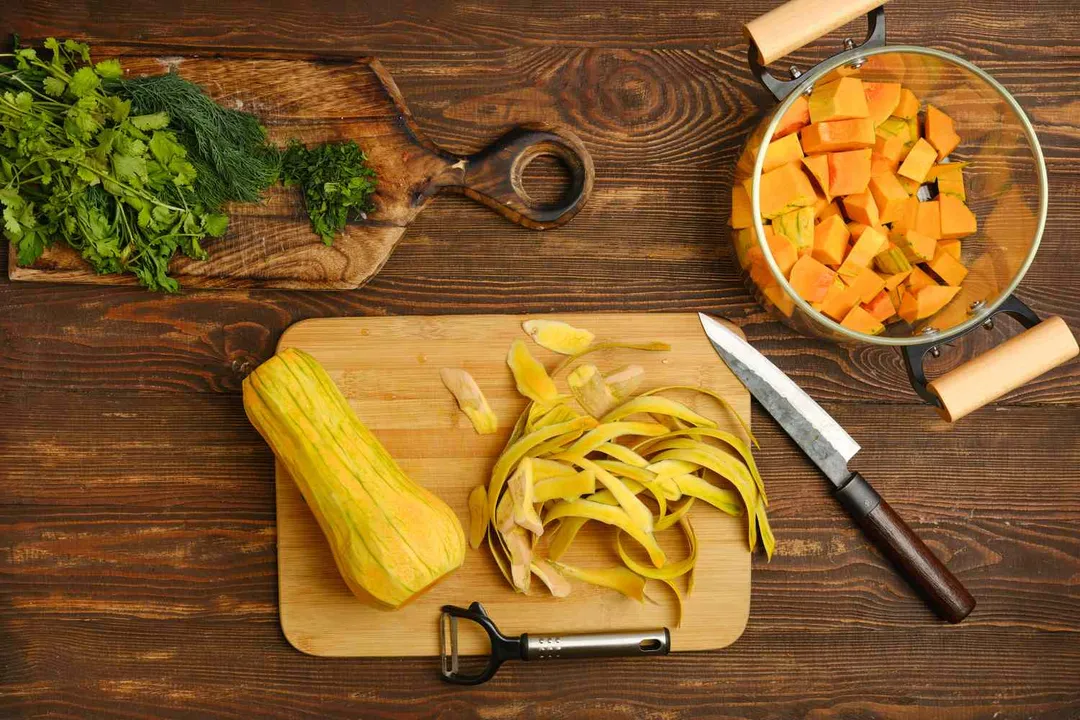
That vibrant orange hue you see in butternut squash isn't just for looks; it signals a powerhouse of nutrition packed into a single, wonderfully versatile winter squash. [1][8] While many associate squash primarily with seasonal decoration, its true value lies in what it does for the human body when incorporated into a regular diet. It manages to be both incredibly satisfying and remarkably low in calories, making it an ally for those looking to maintain a healthy weight. [1] A single cup of cooked, mashed butternut squash offers a mere fraction of the calories found in many other starchy sides, yet it delivers a significant nutritional payload. [1]
# Vitamin A Powerhouse
Perhaps the most celebrated quality of butternut squash is its staggering concentration of Vitamin A, primarily delivered through its precursor, beta-carotene. [1][6] Beta-carotene is the pigment that gives the flesh its deep color, and once consumed, the body converts it into the essential vitamin. [1] To put this into perspective, a single serving can provide well over the recommended daily intake of Vitamin A. [1]
# Vision Support
This abundance of Vitamin A is crucial for maintaining good eyesight. [1][6] It is necessary for healthy vision, especially in low light conditions. [1] Moreover, research suggests that consistent intake of carotenoids like beta-carotene, lutein, and zeaxanthin—all present in this squash—may help decrease the risk of developing age-related macular degeneration (AMD), a condition that blurs central vision. [1][9] It’s worth noting that because these compounds are fat-soluble, pairing your butternut squash serving with a small amount of healthy fat, such as a drizzle of olive oil or a sprinkle of nuts, can dramatically increase your body's ability to absorb that valuable beta-carotene. [1] Think of it as unlocking the vegetable's full potential. [1]
# Immune Function Boost
Beyond vision, the nutrients in butternut squash actively support the body’s defenses, particularly the immune system. [2] The high levels of Vitamin C are central to this effect. [1][2] Vitamin C is a well-known antioxidant that supports various cellular functions of the immune system. [2] Furthermore, the squash offers smaller amounts of other vitamins, such as Vitamin E, which also contributes antioxidant protection against cellular damage. [1][9] Eating a variety of colorful vegetables like squash ensures you're getting a broad spectrum of these protective compounds that work together, rather than relying on just one source. [1]

# Digestive Health
For anyone struggling with digestive regularity or simply aiming to optimize gut health, adding butternut squash to the menu offers tangible benefits due to its fiber content. [1][2] Fiber adds bulk to stool, which is necessary for smooth, regular bowel movements and preventing constipation. [1] Furthermore, the type of fiber found in squash, specifically soluble fiber, acts as a prebiotic, feeding the beneficial bacteria in your gut. [2] This interaction is key to maintaining a healthy microbiome, which influences everything from mood to nutrient absorption. [2] A typical cup provides a significant portion of the daily fiber recommendation, making it an easy way to meet those daily quotas without resorting to processed supplements. [1]
# Heart Benefits
The cardiovascular system also sees advantages from regular butternut squash consumption, largely through its mineral profile and fiber content. [2] It is a good source of potassium. [1][2] Potassium is an electrolyte that plays a major role in balancing fluids and, importantly, counteracting the effects of sodium, thereby helping to regulate healthy blood pressure levels. [1][2] Additionally, the fiber we discussed earlier assists heart health by binding to cholesterol particles in the digestive tract, potentially leading to lower overall blood cholesterol levels when consumed regularly as part of a heart-conscious diet. [1][2]
# Blood Sugar Management
When people think of carbohydrates, they sometimes worry about blood sugar spikes, but this is where the composition of butternut squash becomes interesting. [8] Winter squashes, including butternut, generally have a relatively low glycemic index (GI). [8] The GI scale measures how quickly a food raises blood sugar levels after eating. A lower GI score indicates a slower, more gradual rise, which is preferable for sustained energy and management of blood sugar. [8] This characteristic is largely due to the high fiber content, which slows down the rate at which the squash’s carbohydrates are digested and absorbed into the bloodstream. [1][8] Therefore, while it contains natural sugars, the surrounding fiber matrix helps moderate the glycemic response. [1]
# A Practical Comparison for Meal Planning
To illustrate the blood sugar impact, consider this comparison: a cup of baked white potato (higher GI) causes a relatively rapid release of glucose. In contrast, a cup of baked butternut squash (lower GI) will result in a much slower and gentler curve of blood sugar elevation due to its complex makeup of fiber and water. [1][8] For someone preparing meals for family members with varying blood sugar needs, substituting starchy starches with squash when appropriate is a simple, yet effective, nutritional swap to make across weekly meal rotation.
# Bone and Muscle Support
Butternut squash contains several micronutrients that contribute to maintaining strong bones and healthy muscle function. [1] It provides significant amounts of magnesium and potassium. [1][2] Magnesium is a mineral involved in hundreds of bodily processes, including muscle contraction and nerve function, and it is essential for bone structure. [1] While calcium often gets the spotlight for bones, adequate intake of minerals like magnesium and potassium is necessary for the scaffolding that holds the calcium in place. [1]
# Skin Health and Collagen
The benefits aren't just internal; they reflect externally, too. Healthy skin relies heavily on the availability of Vitamin C for the synthesis of collagen. [9] Collagen is the primary structural protein in the skin, providing firmness and elasticity. [9] By supplying ample Vitamin C, butternut squash supports the body's natural ability to repair tissues and maintain skin integrity. [9] Furthermore, the antioxidant properties from the beta-carotene help protect the skin from oxidative stress caused by environmental factors, offering another layer of defense for a healthy complexion. [1]
# Mineral Content Overview
While often highlighted for its vitamins, the mineral profile of butternut squash adds another layer of systemic support. [1]
| Mineral | Key Function Supported | Source/Context |
|---|---|---|
| Potassium | Blood pressure regulation, fluid balance | Significant component [1][2] |
| Magnesium | Bone health, muscle/nerve function | Essential micronutrient [1] |
| Vitamin B6 | Metabolism, brain function | Present in notable amounts [7] |
This squash is also noted for containing Vitamin B6. [7] B vitamins, in general, are key players in energy metabolism—helping convert the food you eat into usable energy for the body. [7]
# Preparing Butternut Squash: Edibility of the Skin
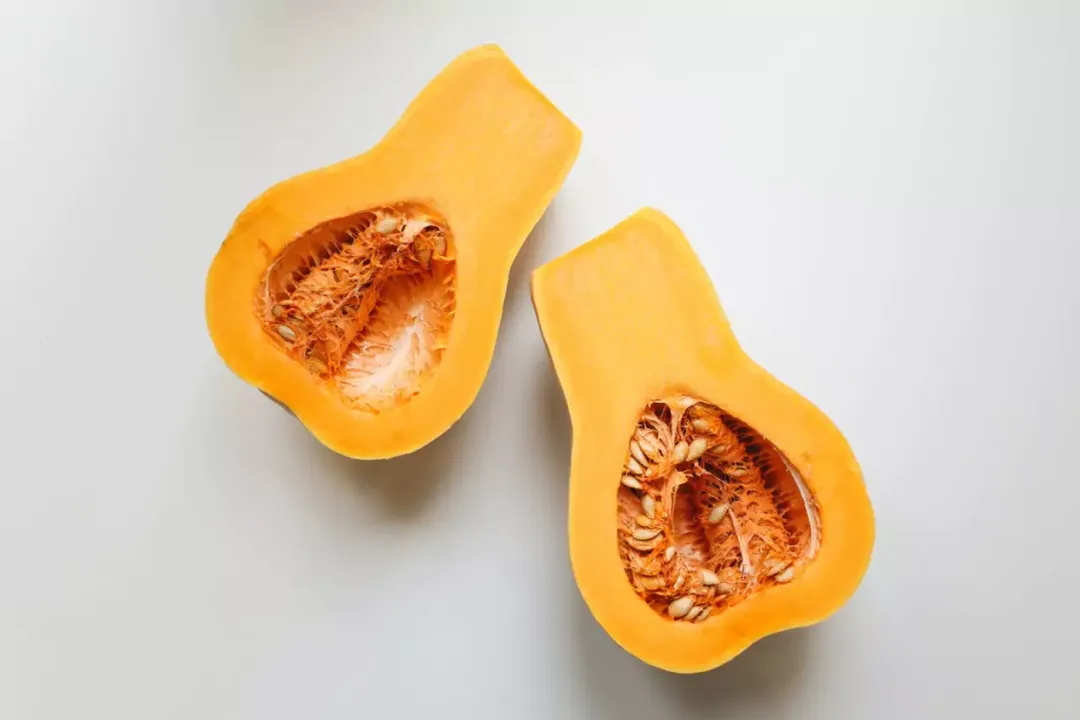
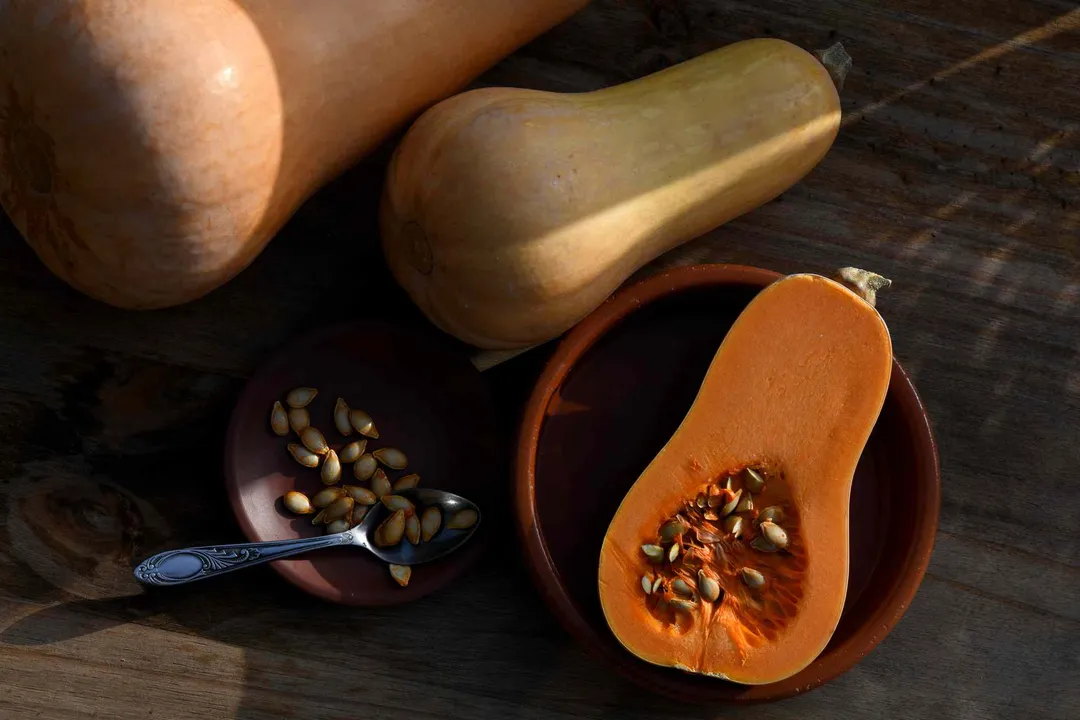
A practical consideration when preparing this vegetable relates to its tough exterior. Butternut squash is categorized as a winter squash, meaning it is typically harvested in the fall and has a hard rind that protects the flesh for long storage. [8] Many recipes call for peeling the squash before cooking, which can sometimes be tedious due to the hard skin. [4] However, the skin is entirely edible once cooked. [3] If you are roasting or baking the squash until it is very tender, the skin will soften enough to be eaten, adding extra fiber and nutrients to the meal. [3] The key difference is texture: peeled squash yields a smoother puree, while skin-on, well-cooked squash offers a slightly chewier, heartier bite. [3] For maximum ease, techniques like cutting the squash in half, scooping out the seeds, and then roasting until soft can make the flesh easier to scrape out of the skin, even if you choose not to eat the rind itself. [4]
# Culinary Versatility and Flavor Profile
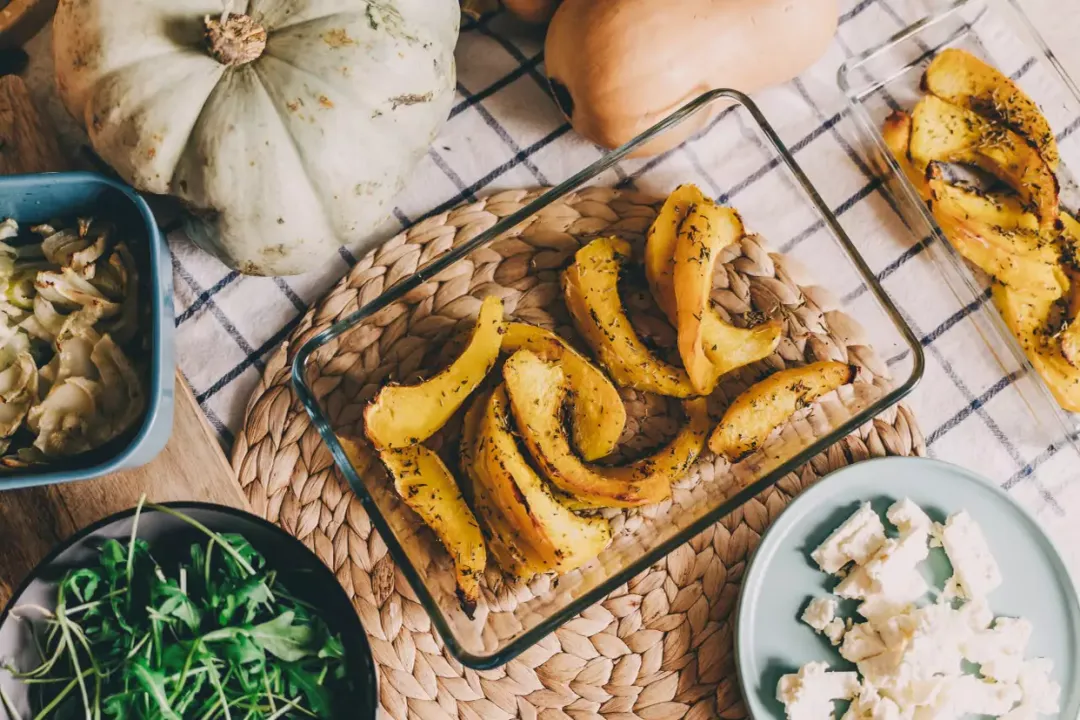
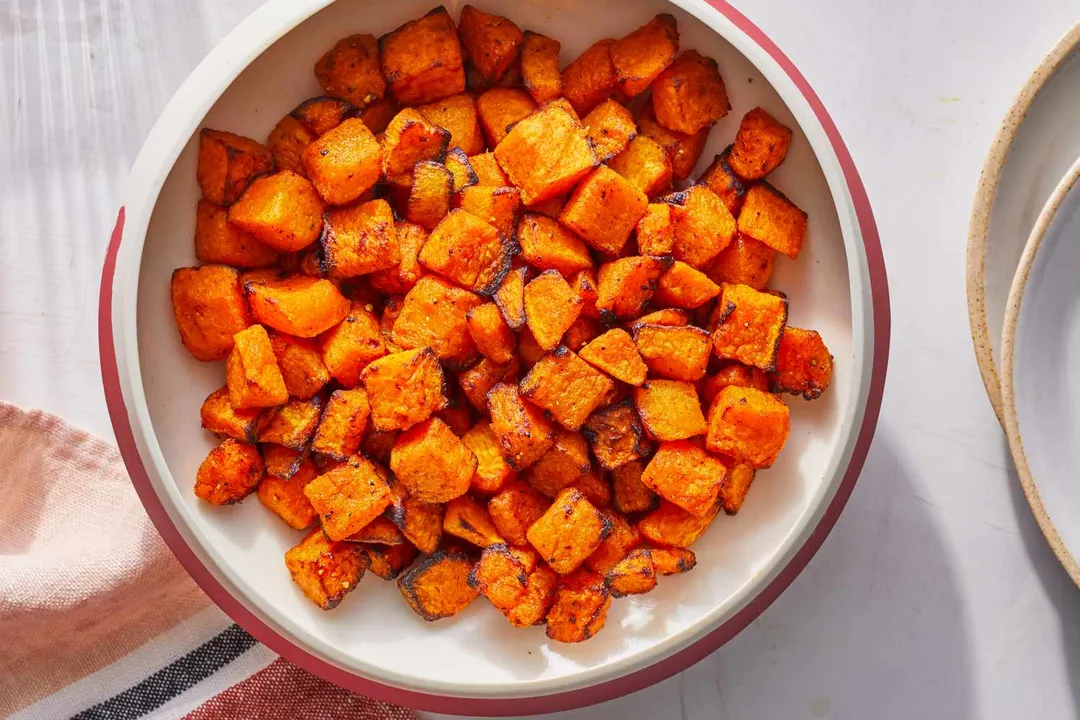
The appeal of butternut squash extends far past its health statistics into the kitchen, where its naturally sweet and nutty flavor makes it adaptable to diverse recipes. [4] Its texture becomes creamy when cooked, making it an excellent base for soups, where it can be blended until perfectly smooth. [4] It roasts well, concentrating its sweetness, and can be diced and added to grain bowls or salads for textural contrast. [4] It’s also commonly cubed and added to curries or made into simple side dishes where it complements savory spices beautifully. [4] One common preparation involves roasting it simply with olive oil, salt, and perhaps a touch of cinnamon or nutmeg to enhance its inherent sweetness. [4] This wide range of application makes it easy to incorporate several times a week without palate fatigue. [4]
# A Note on Oxidative Stress
When we discuss antioxidants like Vitamin C and beta-carotene, we are talking about compounds that help manage oxidative stress. [1] Oxidative stress occurs when there is an imbalance between the production of free radicals (unstable molecules) and the body's ability to detoxify them. [1] While the body naturally produces free radicals, environmental factors can increase them. The antioxidants in butternut squash act as scavengers, neutralizing these damaging molecules and protecting cells from harm. [1]
# Sourcing and Selection Tips
When selecting a butternut squash at the market, look for one that feels heavy for its size and has a hard, unblemished skin. [10] Avoid squash with soft spots, cracks, or moldy patches, as this indicates potential spoilage beneath the surface. [10] If you are planning to use it later, store it in a cool, dark, and dry place, much like you would potatoes or onions, where it can last for several months. [4] This longevity is one of the hallmarks of a true winter squash. [8] If you happen to buy one that is already cut, or if you cut one yourself, it should be wrapped tightly and kept in the refrigerator, where it will last about a week. [4]
# Final Thoughts on Dietary Integration
Incorporating a vegetable as nutrient-dense as butternut squash is a simple step toward supporting long-term health across multiple systems—from vision and immunity to cardiovascular function and digestion. [1][2][6] Its low-calorie nature combined with high fiber content means you can eat a satisfying volume of food while supporting weight management goals. [1] Whether you mash it as a starchy substitute, blend it into a warming soup, or cube it for roasting, its benefits are substantial. [4] Remember that nutritional impact is often built through consistent, small additions to the diet, and butternut squash is an easy, tasty addition to make consistently. [1][9]
Related Questions
#Citations
Butternut Squash: Nutrition, Benefits, and Uses - Healthline
What Happens to Your Body When You Eat Butternut Squash ...
Don't Throw Out Your Butternut Squash Skin - Verywell Health
Butternut Squash Guide: Nutrition, Benefits & Cooking Tips
Benefits of butternut squash for health - Facebook
4 Butternut Squash Benefits - Cleveland Clinic Health Essentials
Butternut–uses., side effects and more. - WebMD
Butternut Squash and Blood Sugar: Understanding the Impact
What Happens to Your Eye, Skin, and Digestive Health When You ...
5 Reasons to Eat More Squash | St. Vincent's Medical Center