What do collard greens do for your body?
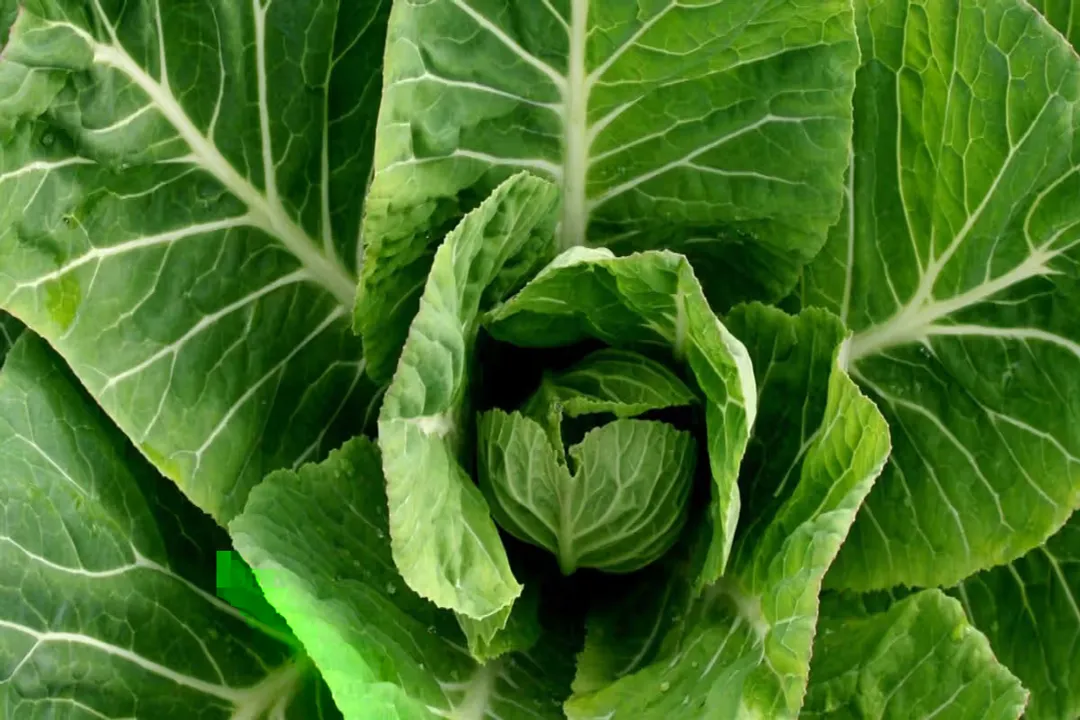
Collard greens, often recognized for their starring role in Southern American cuisine, offer far more than just comfort food appeal; they are dense packets of vital nutrients that contribute significantly to various bodily functions. These dark, leafy greens belong to the Brassica family, alongside broccoli and kale, positioning them as nutritional heavyweights for anyone looking to boost their daily intake of vitamins, minerals, and beneficial plant compounds without adding significant calories. [2][3] Understanding what these sturdy leaves do for your body reveals why they deserve a more prominent spot on your plate, whether seasoned traditionally or prepared with a lighter touch.
# Major Nutrients
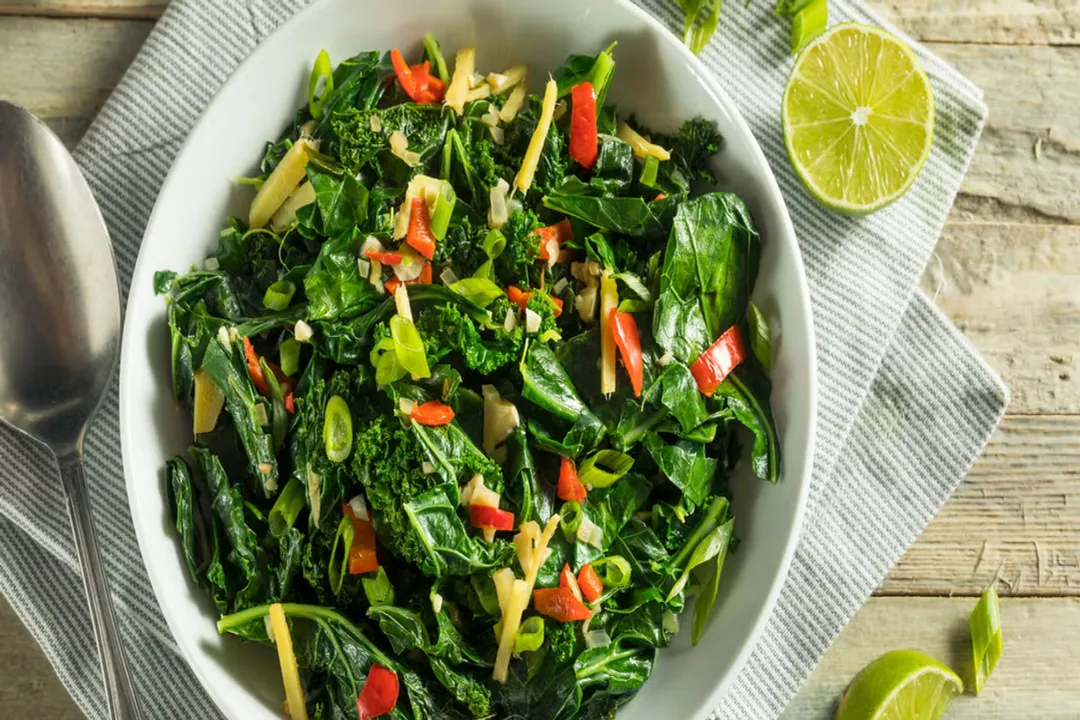
The nutritional profile of collard greens is impressive, particularly when considering their very low energy content. A standard serving provides a substantial amount of essential vitamins and minerals. [1][3] They are particularly rich in Vitamin K, Vitamin A (in the form of beta-carotene), and Vitamin C. [1][2] Beyond these primary vitamins, they also contribute good amounts of manganese, calcium, and folate. [1][3]
If you compare a cup of cooked collard greens (about 130g) to a less nutrient-dense vegetable, like iceberg lettuce, the difference in impact becomes clearer. While both are low in calories, the collards deliver hundreds of percent of your daily Vitamin K needs, whereas the lettuce offers negligible amounts. [1] This high nutrient-to-calorie ratio is a hallmark of truly beneficial produce. [2]
# Vitamin K Power
Perhaps the most celebrated nutrient in collard greens is Vitamin K, specifically K1 (phylloquinone). [2] This vitamin is critical for two main physiological processes: ensuring proper blood clotting and supporting bone health. [1][2] When you cut yourself, Vitamin K activates proteins necessary to stop the bleeding. [2] Furthermore, it plays an essential, though sometimes overlooked, role in bone metabolism by helping to anchor calcium within the bone matrix. [1][3]
# Supporting Bones
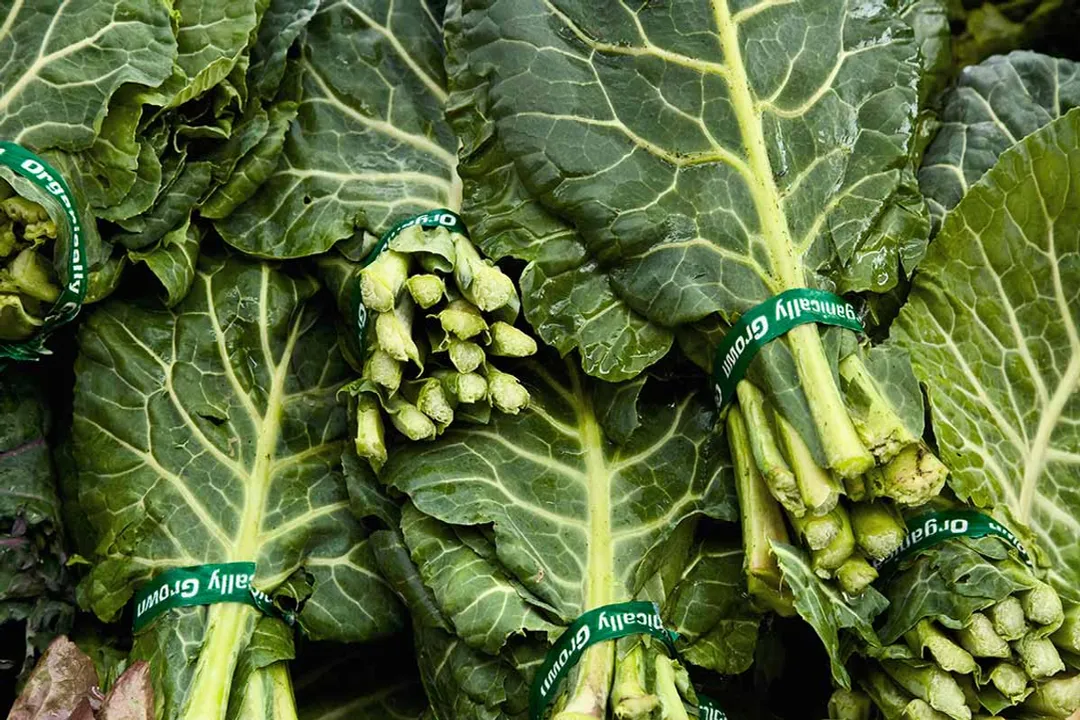
The calcium content in collard greens is noteworthy, but its effectiveness is magnified by the high concentration of Vitamin K. [1][3] While dairy is often cited as the prime source for bone health, dark greens like collards offer a significant non-dairy source of this crucial mineral. [1] For individuals reducing dairy intake, integrating collards becomes a practical way to maintain skeletal integrity. [3] It’s important to note that the calcium found in greens is sometimes less bioavailable than that in dairy due to compounds like oxalates, but the sheer volume of Vitamin K helps ensure that what is absorbed is properly directed for bone maintenance. [1][3]

# Heart Health
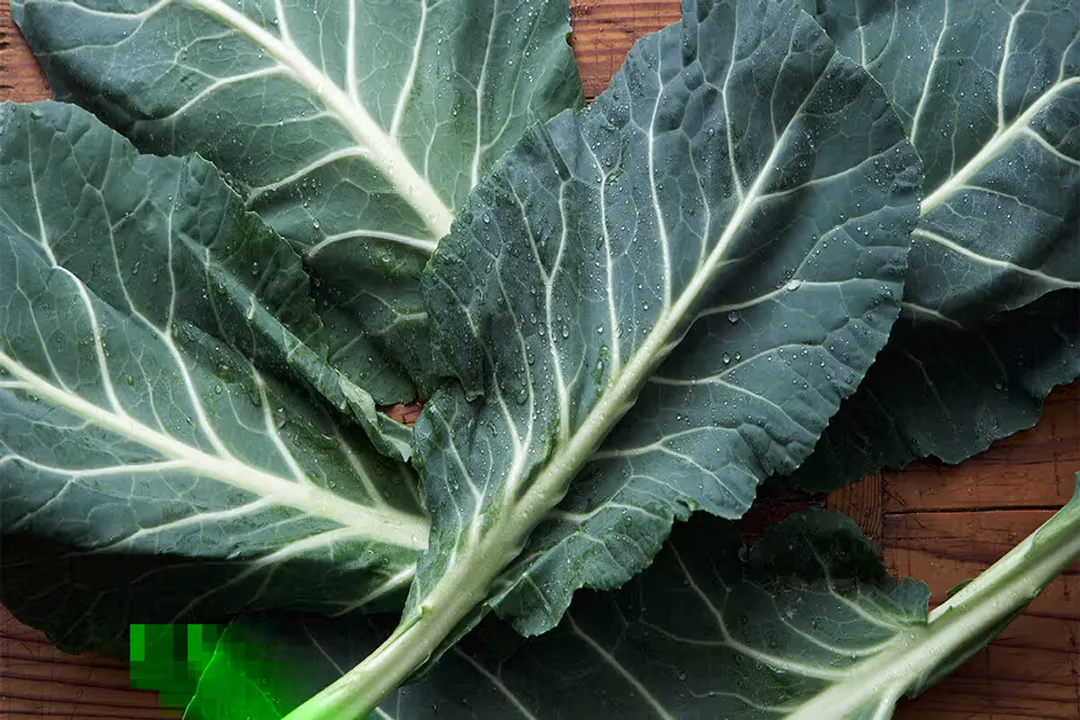
Incorporating collard greens regularly can offer tangible benefits for the cardiovascular system through several mechanisms. [1][2] They are good sources of both potassium and calcium, minerals that work together to help regulate blood pressure. [1] By balancing sodium levels, these minerals assist the body in managing fluid balance, which keeps pressure against artery walls in check. [1]
A less direct, but equally important, mechanism involves cholesterol management. Collards contain compounds called bile acid sequestrants. These substances bind to bile acids (which are made from cholesterol in the liver) in the digestive tract, preventing their reabsorption into the bloodstream. [1][2] When the body excretes these bound acids, it must pull more cholesterol from the blood to create new bile, effectively lowering overall circulating LDL (the "bad") cholesterol levels. [1]
# Antioxidant Protection

The vibrant, deep green color of collard leaves signals a rich supply of antioxidants and anti-inflammatory compounds designed to protect cells from damage caused by free radicals. [1][2]
# Key Phytonutrients
Collard greens contain several powerful phytochemicals:
- Vitamin C: A well-known antioxidant that supports the immune system and aids in collagen production. [1][2]
- Beta-Carotene: This precursor to Vitamin A is vital for maintaining healthy vision, particularly low-light and color vision. [1][3]
- Glucosinolates: These sulfur-containing compounds, characteristic of the Brassica family, are broken down into biologically active substances like isothiocyanates. [2] These compounds have been studied for their potential role in detoxification pathways and cancer prevention because they help the body neutralize potential carcinogens. [2]
- Flavonoids: Compounds like quercetin and kaempferol contribute to the anti-inflammatory effects, helping to soothe systemic inflammation that underlies many chronic diseases. [2]

# Digestive Wellness
Dietary fiber is abundant in collard greens, providing bulk that aids in digestive regularity and overall gut health. [1][3] Fiber helps move food efficiently through the digestive tract, preventing constipation. [1] Beyond regularity, the fiber acts as a prebiotic, feeding the beneficial bacteria that reside in the colon. A thriving gut microbiome is linked not only to better digestion but also to improved immune function and even mood regulation. [3] The low-calorie nature means you can consume large portions for satiety without excessive energy intake. [2]
# Managing Body Weight
For those focused on maintaining or achieving a healthy weight, collard greens are an excellent choice due to their low energy density. [2][4] They are largely composed of water and fiber, meaning a large volume of food fills the stomach without delivering many calories. [2] Eating a substantial side of greens with a meal increases satiety, potentially leading to lower overall calorie consumption later in the day. [4] This effect is amplified when they are prepared simply, such as steamed or lightly sautéed, rather than smothered in high-fat ingredients. [4]
If you are tracking your intake, consider this: preparing a cup of steamed collards adds perhaps 15-20 calories, while a cup prepared with traditional smoked meat and fat might easily exceed 150 calories, fundamentally changing the weight-management profile of the vegetable. [4] The intrinsic benefit remains, but the preparation dictates the outcome.
# Considerations for Consumption
While collards are overwhelmingly beneficial, a couple of factors merit attention, depending on the individual's health status and usual dietary habits. [1][5]
# Oxalate Levels
Like spinach and Swiss chard, collard greens contain oxalates, which are naturally occurring compounds. [5] In susceptible individuals, high intake of oxalate-rich foods can contribute to the formation of kidney stones. [1][5] If you have a history of calcium oxalate kidney stones, it is wise to consume collard greens in moderation or pair them strategically with calcium-rich foods, as the calcium can bind with the oxalates in the gut before they are absorbed. [5]
# Preparation Methods Matter
The way you cook collard greens drastically alters their nutritional impact. [5][6] Traditional Southern preparations often involve long simmering times with smoked meats (like ham hocks or bacon) and added fat and salt. [6] While this results in incredible flavor, it significantly increases the sodium and saturated fat content of the dish, potentially offsetting the cardiovascular benefits derived from the greens themselves. [4][6]
To maximize nutrient retention and maintain a lighter profile, quick cooking methods are often superior. Steaming or lightly sautéing keeps more of the heat-sensitive Vitamin C intact compared to prolonged boiling. [1][6] A helpful practice many cooks use is to quickly steam the greens for about five minutes to wilt them and reduce volume, then transfer them to a pan with minimal liquid (or just aromatics like garlic and onion) for final seasoning. This short initial steam can help leach out some of the bitterness and certain compounds without dissolving all the valuable vitamins into the cooking water. [6]
For those who truly prefer the deep, comforting flavor of slow-cooked greens, a balancing act is necessary: try reducing the added salt and substituting some of the traditional smoked pork with smoked paprika or a tiny amount of lean turkey bacon for flavor depth, allowing the inherent earthiness of the vegetable to shine through. [4] This honors the culinary tradition while respecting the vegetable’s inherent health advantages.
Related Questions
#Citations
Health Benefits of Collard Greens
Collard Greens: Nutrition, Benefits, Recipe, and More
Collard greens: Benefits, nutrition, diet, and risks
Collard Greens: Health Benefits, Nutrition, and More
Collard Greens | New Entry Sustainable Farming Project
7 Health Benefits of Collard Greens
Are Collard Greens Good for You?