What does turmeric do in the body of a woman?
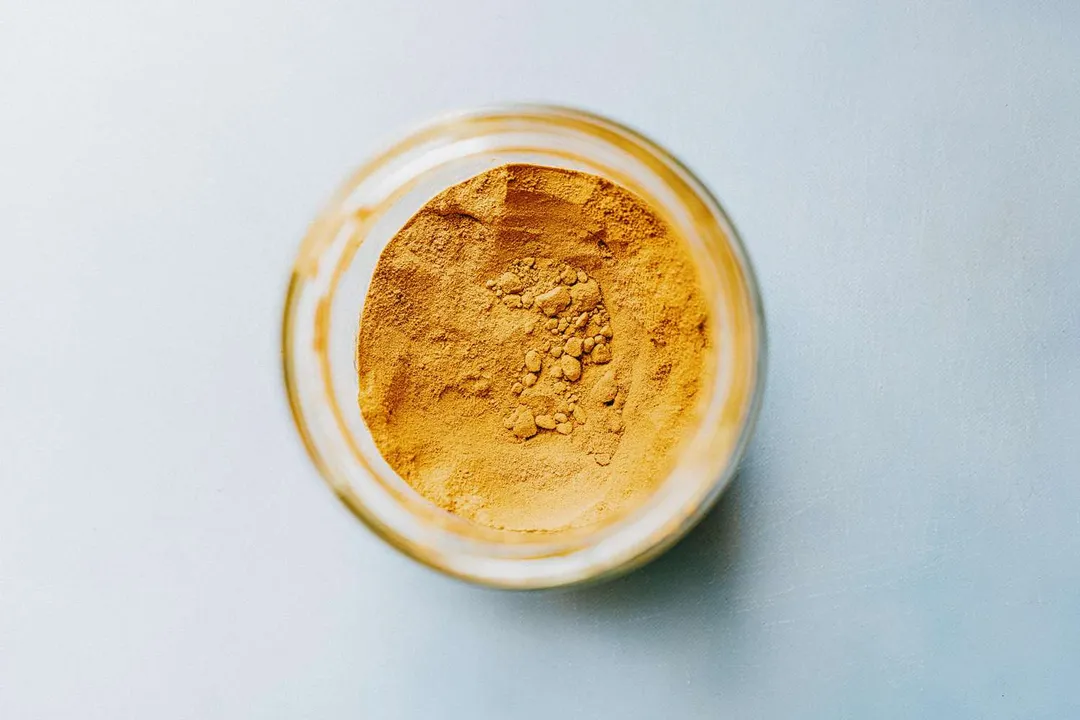
This golden spice, derived from the root of the Curcuma longa plant, has moved far beyond its traditional culinary role, capturing significant modern attention for its potential health effects, particularly for women navigating various life stages. The key to turmeric’s power lies within its active compounds, collectively known as curcuminoids, with curcumin being the most studied and prominent. While many spices offer general wellness benefits, turmeric is often singled out due to the extensive research backing its biological activity. Understanding what this vibrant root does inside the female body requires looking closely at how curcumin interacts with cellular pathways, offering support ranging from easing daily discomforts to potentially modulating long-term health risks.
# Active Compound
The biological action of turmeric stems primarily from curcumin, which makes up about 2 to 5 percent of the spice. It is this polyphenol that acts as a powerful antioxidant and possesses notable anti-inflammatory properties. When considering its effects, it is essential to remember that curcumin has relatively low bioavailability; that is, the body does not easily absorb it into the bloodstream. This fact significantly influences how one might seek to incorporate turmeric for measurable health impacts, whether through diet or supplementation.
# Inflammation Fighter
Perhaps the most well-documented benefit of curcumin is its ability to combat inflammation at the molecular level. Inflammation is a necessary process for healing, but when it becomes chronic, it can contribute to nearly every major Western disease, including heart disease, metabolic syndrome, and several cancers. Curcumin works by blocking NF-kB, a molecule that travels into the nuclei of cells and turns on genes related to inflammation. In essence, it targets inflammation at its source rather than just managing symptoms later on. For women, managing systemic, low-grade inflammation is vital, as it can underlie conditions that commonly affect them, such as certain types of arthritis or irritable bowel issues.
# Women Cycle Support
For many women, the monthly menstrual cycle brings predictable discomfort, often involving significant pain, which can range from annoying to debilitating. Turmeric is often discussed in the context of premenstrual syndrome (PMS) and painful periods, known medically as dysmenorrhea. Research suggests that curcumin may help alleviate these symptoms, possibly by interfering with the production of prostaglandins—the hormone-like substances that cause uterine contractions and pain during menstruation.
One compelling way to approach this is to consider the timing of intake. While cooking with turmeric is wonderful for general health maintenance, achieving a consistent, higher dose might be necessary to influence cyclical pain responses. Many studies showing significant effects on discomfort use concentrated curcumin doses, often in the range of 500 mg taken twice daily. For women who experience disruptive cramping, incorporating a standardized supplement alongside their regular dietary intake during the luteal phase—perhaps starting a full week before anticipated flow—might allow for a clearer assessment of its direct impact on pain intensity, compared to simply adding a pinch to a weeknight curry. This targeted, pre-emptive approach recognizes the biochemical cascade leading up to the pain event.
# Hormone Balance Aid
Hormonal fluctuations present unique health challenges for women, particularly around conditions like Polycystic Ovary Syndrome (PCOS). PCOS is often associated with chronic inflammation and insulin resistance, both areas where curcumin has shown promise. By helping to improve insulin sensitivity, curcumin may indirectly support better hormonal balance for women managing PCOS. Furthermore, there is preliminary discussion suggesting turmeric's compounds might influence estrogen metabolism, which could be relevant during perimenopause or for managing symptoms related to estrogen dominance, although more targeted human research is needed in these specific areas.
# Joint Comfort
Osteoarthritis and general joint pain are common concerns, particularly as women age or due to the wear-and-tear associated with high activity levels. Since joint pain is frequently rooted in inflammatory processes within the joint tissues, turmeric's anti-inflammatory power translates directly into potential relief. Some findings even suggest that curcumin supplements can be as effective as certain non-steroidal anti-inflammatory drugs (NSAIDs) for reducing pain and improving function in people with osteoarthritis. This is a significant finding, as relying on NSAIDs regularly can sometimes carry gastrointestinal side effects, which turmeric may help avoid when used appropriately.
# Brain Protection
Keeping cognitive function sharp is a goal for everyone, and curcumin shows potential here by crossing the blood-brain barrier. It is known to increase levels of brain-derived neurotrophic factor (BDNF), a type of growth hormone that functions in the brain. BDNF is crucial for the growth of new neurons and fighting various degenerative processes in the brain. While research is ongoing, maintaining healthy BDNF levels is considered important for supporting mood and cognitive health throughout a woman’s lifespan, offering a long-term neuroprotective angle to regular turmeric consumption.

# Heart Wellness
Cardiovascular health is a major concern for women, particularly after menopause, when risk factors often shift. Curcumin supports heart health through several mechanisms, primarily linked back to its ability to reduce inflammation and improve endothelial function. The endothelium is the lining of the blood vessels; when it functions poorly, it can lead to issues with blood pressure regulation and clotting. Curcumin appears to improve this function, sometimes performing as well as regular exercise or certain medications in preliminary studies focused on vascular health. Additionally, by combating the oxidative stress that damages blood vessels, it adds another layer of cardiovascular protection.
# Absorption Strategy
As mentioned previously, getting enough curcumin into the system to elicit these systemic effects is the main hurdle. Simply adding turmeric powder to food is beneficial for general antioxidant intake, but it may not deliver the therapeutic concentrations seen in many scientific studies.
To significantly boost absorption, curcumin must be combined with a substance that slows down its rapid metabolism in the liver and intestines. The most effective and well-studied method involves pairing it with piperine, the active component in black pepper. Piperine can enhance curcumin absorption by up to 2,000%.
Here is a simple guide to maximizing your intake, whether cooking or supplementing:
| Goal | Method | Recommended Pairing | Notes |
|---|---|---|---|
| Culinary/General Wellness | Daily cooking, teas, golden milk | A dash of black pepper in every dish containing turmeric | Good for general antioxidant support. |
| Targeted Relief (e.g., Joint/Cycle) | Standardized supplements | Curcumin extract standardized to 95% curcuminoids + piperine | Essential for reaching therapeutic blood levels. |
| Absorption Test | Home Test | Add a small amount of turmeric powder to a glass of water. If it settles quickly without dispersing well, it confirms poor water solubility. | This visual cue highlights why fat or piperine is necessary for meaningful absorption. |
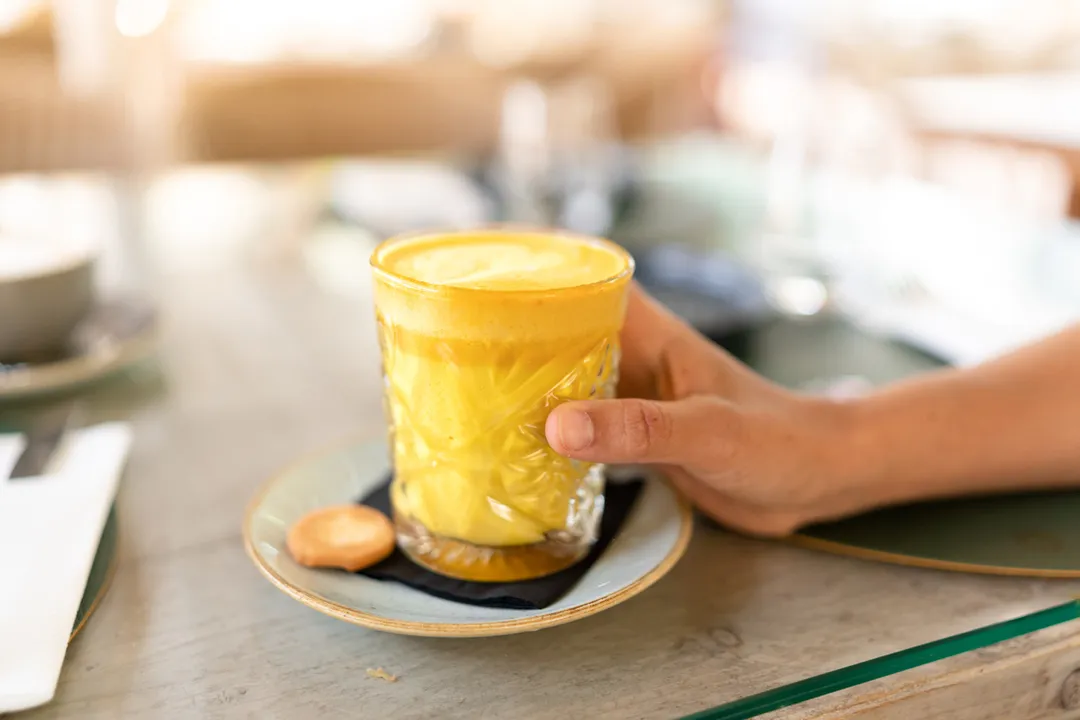
For women who are sensitive to supplements or prefer whole foods, creating a high-potency golden paste at home can bridge the gap between culinary use and therapeutic intent. This involves simmering turmeric powder with water, a healthy fat like coconut oil (since curcumin is fat-soluble), and a generous amount of freshly ground black pepper for several minutes, creating a concentrated base that can be added to drinks or smoothies. This preparation method increases the effective dose you consume compared to just sprinkling dry spice, offering a middle ground for daily use.
# Safety and Considerations
While turmeric is generally recognized as safe when consumed in amounts found in food, taking concentrated supplements requires a bit more mindfulness. For most healthy women, short-term use of standard doses is well-tolerated. However, high doses can occasionally cause mild side effects like stomach upset. Because it can affect blood clotting, women taking blood-thinning medications should consult their healthcare provider before starting a high-dose curcumin supplement. Similarly, those undergoing surgery should pause high-dose intake before the procedure due to this potential effect. Furthermore, women with gallbladder issues should exercise caution, as turmeric can cause the gallbladder to contract, which may be problematic in cases of gallstones.
It is also worth noting that while animal studies suggest potential benefits in cancer prevention, human evidence is less definitive, meaning turmeric should be viewed as a supportive dietary component, not a primary medical treatment for serious conditions. The consensus across various sources is that turmeric offers supportive, preventative, and symptomatic relief for many common ailments tied to inflammation, making it a worthwhile addition to a balanced, health-conscious lifestyle for women.
Related Questions
#Citations
Turmeric Benefits | Johns Hopkins Medicine
Discover the Surprising Benefits of Turmeric for Women
7 Health Benefits of Turmeric, According to Research - GoodRx
Potential Health Benefits of Curcumin on Female Reproductive ...
10 Benefits of Turmeric - Alliance Orthopedics
10 Health Benefits of Turmeric and Curcumin - Healthline
Turmeric Benefits for Women: Skin, Hormones & Sex Life - naydaya
Using Turmeric As Anti-Inflammatory - UnityPoint Health
Health Benefits of Turmeric - WebMD