What does taro do for your body?
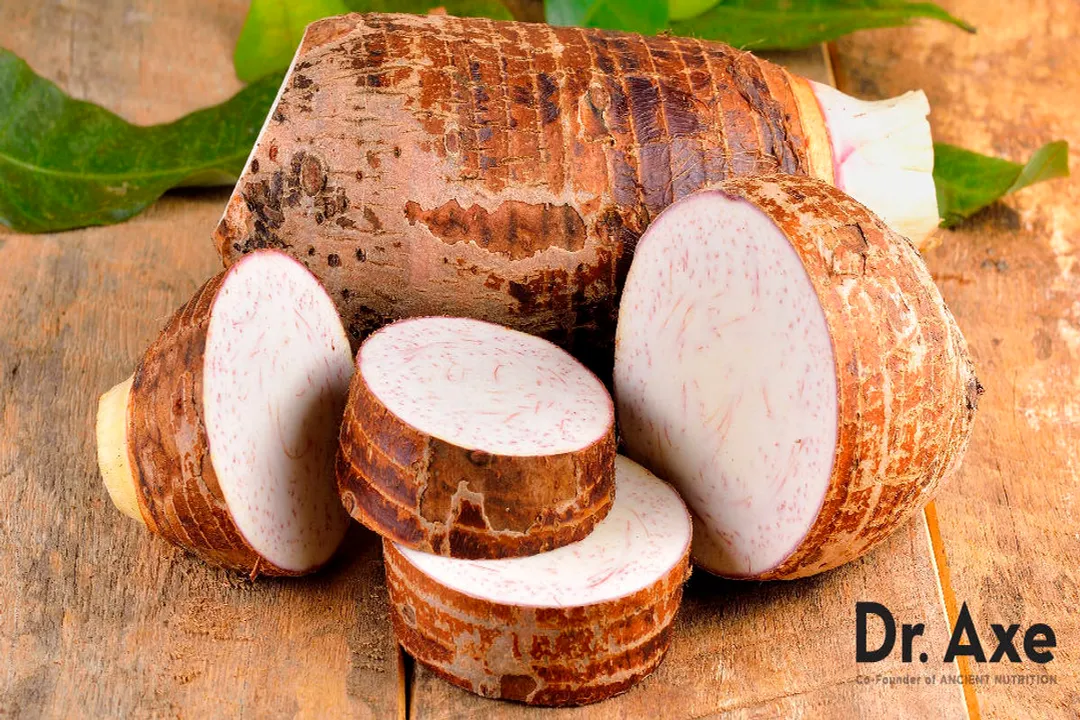
Taro root, known scientifically as Colocasia esculenta, is a foundational starchy vegetable enjoyed across the globe, though it often remains overshadowed by more commonly cited tubers like the potato. Originating perhaps in Southeast Asia or India, this corm has nourished cultures for millennia, holding deep spiritual significance in places like Hawaiʻi where it is called kalo. When prepared, its flavor is mildly sweet and nutty, and its texture softens to something creamy, making it a wonderfully versatile ingredient for both savory meals and sweet treats. However, understanding what this humble root does for your body requires looking beyond its taste and texture into its rich, complex nutritional makeup.
# Core Nutrition

A standard serving, often around one cooked cup (approximately 132 grams), delivers a potent mix of macronutrients and micronutrients, though its high carbohydrate content is what first stands out. This starchiness, however, is offset by the quality of those carbohydrates, as a large portion is beneficial fiber and resistant starch.
For example, a cup of cooked taro root packs about 6.7 grams of dietary fiber. To put this into perspective, a comparable serving of potatoes often contains significantly less fiber. This high fiber load immediately positions taro as a significant contributor to dietary needs, much more so than many other common starchy staples.
Beyond fiber, taro is an excellent source of several essential vitamins and minerals that many modern diets tend to lack. Key players in its profile include:
- Manganese: Providing roughly 30% of the daily value (DV), this mineral is vital for healthy metabolism, proper blood clotting, and bone maintenance.
- Vitamin B6: Contributes about 22% of the DV.
- Vitamin E: Supplies nearly 19% of the DV.
- Potassium: A single cup can deliver around 18% of the DV, crucial for managing fluid balance and blood pressure.
- Other Contributors: Significant amounts of Copper, Magnesium, and Vitamin C are also present, supporting functions from immune response to cellular energy.
What makes taro’s carbohydrate profile particularly interesting is the presence of Resistant Starch (RS). Approximately 12% of the starch found in cooked taro is resistant starch, a type that passes through the small intestine undigested. This characteristic—the combination of high fiber and RS—is what drives many of taro's most compelling health advantages, allowing it to offer the energy of a starch while mitigating the rapid blood sugar spikes associated with less complex carbohydrates.
# Gut Function
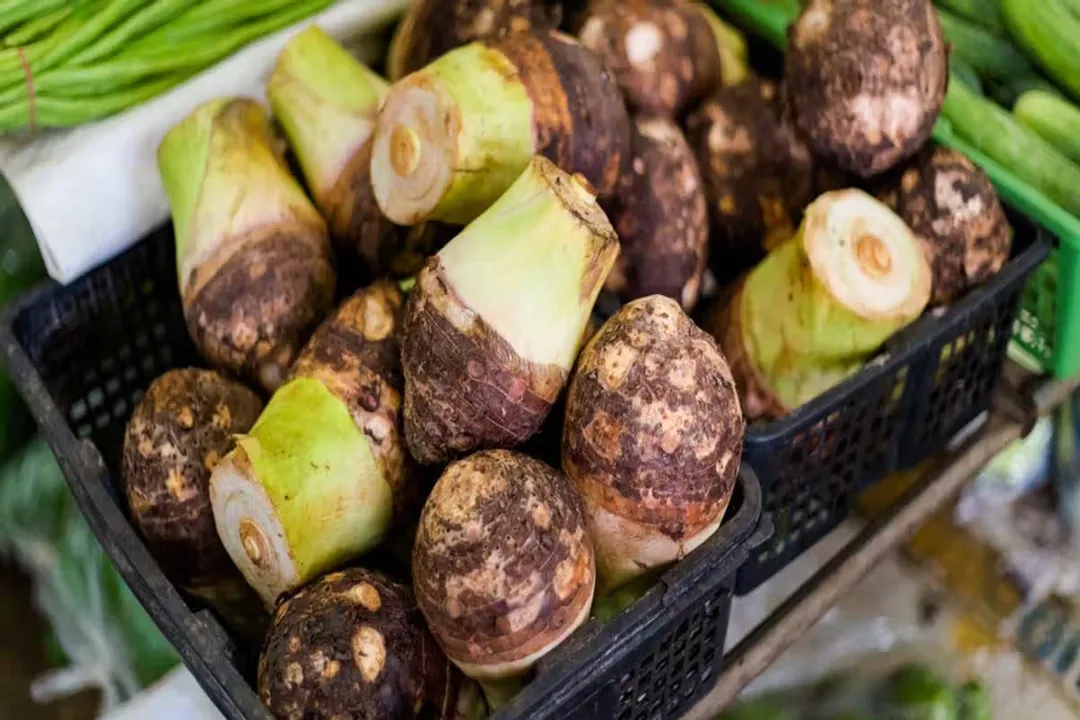
The components of taro that resist digestion—namely its fiber and resistant starch—are champions for gut health. These undigested carbohydrates travel to the colon where they act as prebiotics, essentially feeding the beneficial colonies of bacteria residing there.
When these gut microbes ferment the fiber and RS, they produce Short-Chain Fatty Acids (SCFAs), such as butyrate. SCFAs are incredibly beneficial because they serve as the primary nourishment source for the cells lining the intestines, helping to maintain the integrity and strength of the gut barrier. Studies, including one conducted in pigs, observed that a diet rich in RS improved overall colon health by boosting SCFA production and reducing cellular damage in the colon lining. For individuals with inflammatory intestinal disorders, like ulcerative colitis, low levels of SCFAs are a common finding. Therefore, regularly including taro, with its dual delivery of fiber and RS, may help bolster the gut environment and offer a degree of protection against issues like inflammatory bowel disease and, in some contexts, colorectal cancer.

# Metabolic Regulation
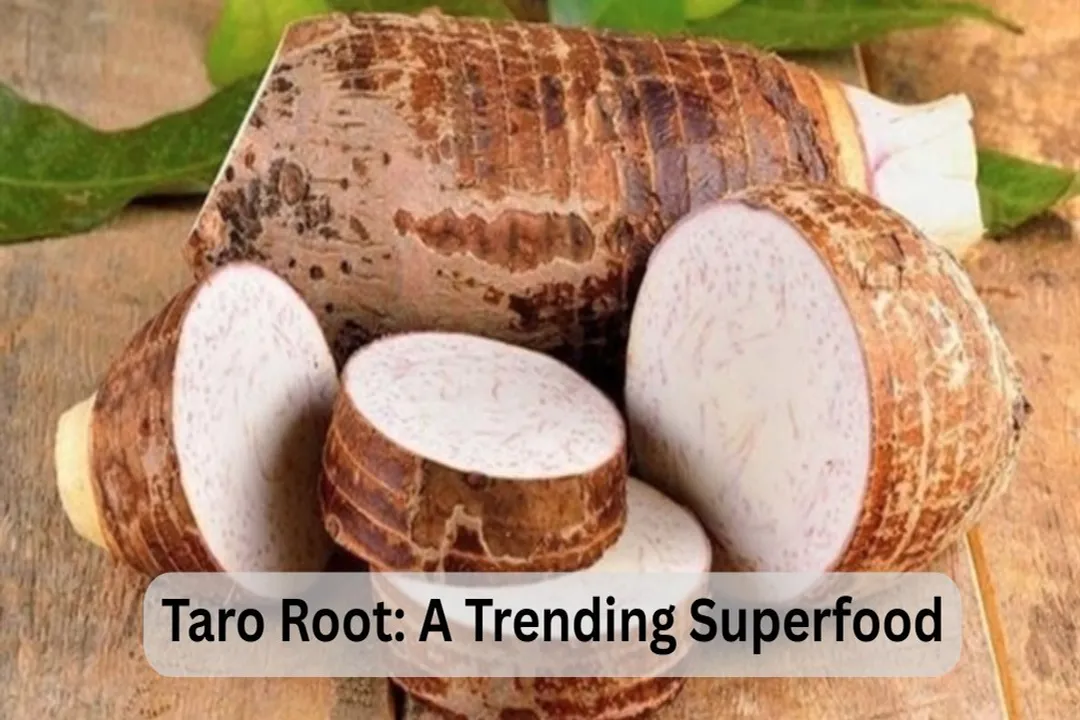
Taro's impact on metabolism is a key benefit, especially for those monitoring their blood glucose or trying to maintain a healthy weight.
# Blood Sugar
While it is a starchy, energy-dense root, taro is often classified as having a medium Glycemic Index (GI), a reflection of its structure. This moderate GI is largely due to the fiber and RS content. Since fiber slows the overall rate at which other carbohydrates are digested and absorbed, it prevents the sudden surge in blood sugar that follows meals made up of rapidly digestible starches. Furthermore, the resistant starch portion specifically has been shown to improve the body's responsiveness to insulin. Better insulin sensitivity means the body can move sugar out of the bloodstream and into cells more effectively, leading to more stable long-term blood sugar control.
# Weight Control
The same mechanisms supporting blood sugar stability also aid in weight management. The substantial fiber content is known to increase satiety by slowing down stomach emptying, meaning you feel fuller for a longer period after eating. This natural feeling of fullness can lead to a reduction in overall calorie intake throughout the day. In one study cited, an increase in daily fiber intake was associated with weight loss and a decrease in body fat over time among women. The resistant starch component may work similarly; research noted that men supplementing with RS before meals consumed about 6% fewer calories afterward. This suggests taro can be a satisfying component of a calorie-managed diet, provided preparation methods are kept low in added fats.
It is worth noting that when comparing its carbohydrate impact, taro’s structure, containing both RS and fiber, is structurally different from grains like polished white rice, which offers less mineral and fiber content but is often consumed in very large portions; pairing taro with vegetables and protein, as is common in traditional Pacific island diets, further modulates the final glycemic load of the meal.
# Cardiovascular Support
Taro contributes to a heart-healthy routine through its mineral content, specifically potassium, and its robust fiber profile. High potassium intake is recognized by health organizations as a way to counterbalance excess sodium, which in turn helps to control high blood pressure, thereby reducing strain on the cardiovascular system and lowering the risk of chronic heart issues.
The combination of fiber and resistant starch further supports the heart by contributing to healthy cholesterol levels. Increased dietary fiber intake has been consistently linked to lower rates of heart disease mortality in observational studies.
# Cellular Defense and Longevity
Taro root is rich in plant compounds known as polyphenols, which function as powerful antioxidants, offering protection against cellular damage caused by free radicals. Free radicals are unstable molecules generated both through normal metabolism and exposure to environmental factors, and their accumulation is linked to aging and chronic disease, including atherosclerosis (fatty plaque buildup in arteries).
The most frequently cited polyphenol in taro is quercetin, a compound also found in foods like apples and onions. Quercetin, along with other antioxidants, is tied to anti-inflammatory and antiviral properties. Furthermore, preclinical testing, including in vitro studies, has shown that taro extract can slow the spread of certain breast and prostate cancer cells, effects researchers attribute to these potent antioxidant qualities.
The scientific literature suggests that the observed health effects are often a synergistic effect arising from the combination of multiple bioactive molecules working together—including polyphenols, specialized proteins like Tarin, and various polysaccharides. For instance, Tarin, a lectin in taro, has shown significant antitumoral and antimetastatic activity in cell and animal models, even proving non-toxic to healthy cells at effective doses. It works, in part, by modulating the COX-2 enzyme pathway, which is often overactive in tumors, leading to a reduction in pro-tumorigenic inflammatory mediators. Moreover, polysaccharides found in taro, such as Taro-4-I, have demonstrated the ability to activate parts of the immune system, including Natural Killer (NK) cells, which are important for recognizing and destroying abnormal cells.
This combination of metabolic modulation, anti-inflammatory action, and direct immune boosting suggests taro is not merely a source of energy but a functional food capable of supporting the body's long-term defense mechanisms.
# Preparation and Safety Precautions
Before incorporating taro into your regular diet, it is imperative to cook it thoroughly. Taro root contains natural compounds, primarily calcium oxalate crystals and proteases, that are irritants in their raw state. Consuming raw taro can lead to an unpleasant burning, tingling, or numb sensation in the mouth and throat. Cooking deactivates these compounds, rendering the root safe and palatable. When preparing, scraping the rough skin under running water and wearing gloves can help manage the sticky starch content and avoid skin irritation.
While cooking is necessary, methods matter if you are aiming for specific health outcomes. Boiling is effective for breaking down the oxalates, but care must be taken as water can leach out water-soluble nutrients. Steaming or pressure cooking are sometimes preferred as more efficient tools for breaking down the root while retaining a higher percentage of nutrients compared to boiling.
Additionally, individuals managing specific health conditions should be mindful of quantity:
- Kidney Concerns: Due to the presence of oxalates, those prone to kidney stones should moderate their intake.
- Diabetes/Carb Intake: Although RS is beneficial, taro is high in total carbohydrates. Moderation is key, especially if you are on a ketogenic or very low-carb diet. Overcooking can also increase the starch's glycemic impact, so aim for properly cooked, not overly mushy, preparations.
Taro root, when prepared correctly, is a globally recognized, gluten-free staple that provides steady energy and a wealth of micronutrients, making it a valuable addition to almost any balanced dietary pattern.
Related Questions
#Citations
Health Benefits of Taro Root - WebMD
7 Surprising Benefits of Taro Root - Healthline
7 Surprising Benefits of Taro Root | Vinmec
Kalo Health Benefits- Nutrition Taro - Hawaii Ulu Cooperative
Anticancer and Immunomodulatory Benefits of Taro (Colocasia ...
Taro Root Benefits, Nutrition, Side Effects, How to Cook - Dr. Axe
Taro Root: Is This Starchy Vegetable A Healthy Choice? - Aloha
11 Powerful Taro Root Benefits That Make It A Trending Superfood