What does soursop do to your body?

The creamy, distinct flavor of soursop, often associated with tropical drinks and desserts, masks a history rich in traditional medicinal uses that stretch across various cultures. This fruit, also known by its scientific name Annona muricata or as graviola, is more than just a sweet treat; it's packed with nutrients and compounds that prompt curiosity about its overall effect on the human body. [3][8] People often encounter information regarding its high vitamin content or its purported abilities to fight disease, leading many to wonder exactly what this large, spiky fruit does when incorporated into their diet. [1][7]
# Nutritional Content

Soursop is noteworthy for its vitamin and mineral profile, offering a reasonable source of several essential micronutrients, particularly when considering the amount consumed in a typical serving. [8] It provides a good dose of Vitamin C, which is vital for immune function and acting as an antioxidant throughout the body. [1][7] Furthermore, it contains several B vitamins, including thiamine, riboflavin, and niacin, which are necessary for energy metabolism—helping your body convert food into usable fuel. [8]
In terms of minerals, soursop is a source of potassium, an electrolyte important for regulating blood pressure and supporting proper fluid balance. [1][8] It also contains smaller amounts of magnesium and phosphorus, both playing supporting roles in bone health and cellular function. [8] While it is a source of beneficial compounds, it's important to note that soursop is naturally high in fructose, meaning that while the whole fruit offers fiber, excessive consumption can still contribute significantly to daily sugar intake. [3] A good guideline, much like for any fruit, is to balance the intake of its rich nutrients with monitoring overall sugar consumption, especially for those managing blood glucose levels. It’s surprising how often people overlook the natural sugar component when focusing solely on the vitamin boost. [3]
# Digestive Aid
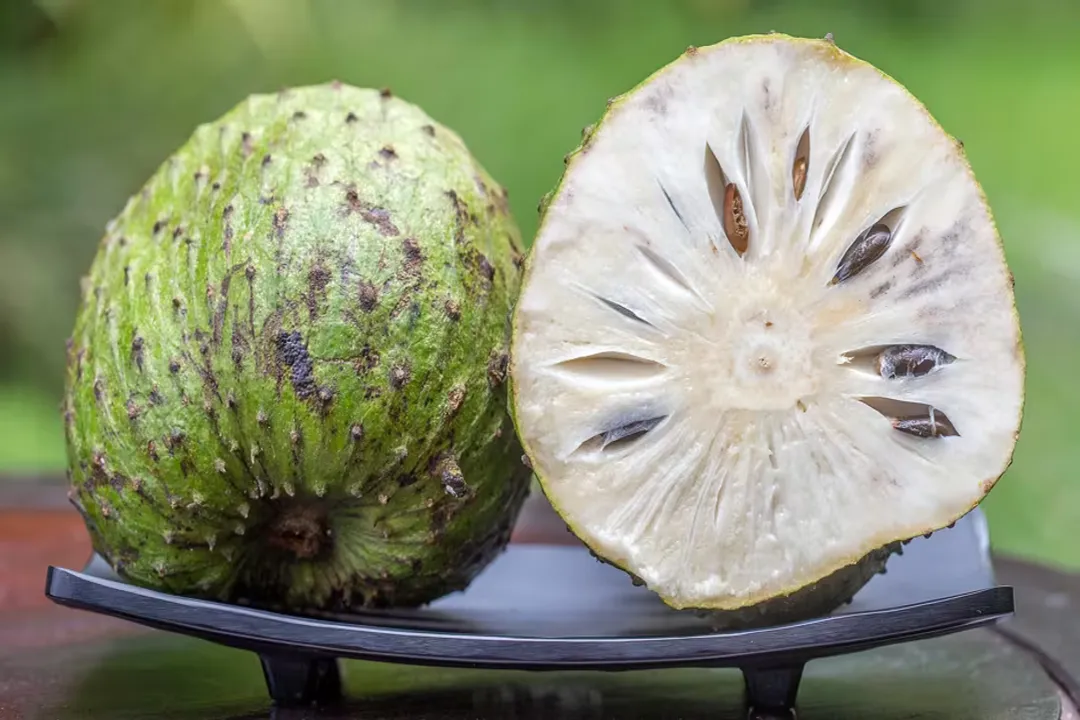
One documented effect of including soursop in the diet relates to the digestive system, primarily due to its fiber content. [1][8] The fruit is a source of dietary fiber, which aids in promoting regular bowel movements and can help prevent constipation. [1][7] Fiber also contributes to feelings of fullness, which can play a supporting role in weight management when integrated into a balanced diet. [3]
Beyond the pulp, soursop leaves have a strong tradition of use as an herbal remedy, often steeped into a tea. [4] These leaves are traditionally used to soothe stomach issues and treat diarrhea. [4] While the fruit and the leaves offer different concentrations of compounds, this dual traditional use points to a historical recognition of the plant's overall benefits for gastrointestinal comfort. [1][4] If you are purchasing soursop leaves for tea, ensure they are sourced cleanly and dried properly to avoid introducing contaminants to what should be a simple, soothing infusion. [4]

# Potential Immune Boost
The significant Vitamin C content is one of the most frequently cited benefits of eating soursop. [1][5] Vitamin C is well-known for its role in bolstering the body's natural defenses by supporting various cellular functions of the immune system. [1] While research into specific immune-modulating properties of soursop's unique compounds continues, the presence of this essential vitamin provides a direct, measurable nutritional contribution to immune health. [7]
Soursop also contains various antioxidants. [3] Antioxidants are compounds that help neutralize unstable molecules called free radicals, which can cause oxidative stress and damage cells over time. [3] Think of it this way: consuming a serving of soursop pulp contributes to your daily antioxidant defense roster, alongside other fruits and vegetables, making it a sensible addition to a diet aimed at long-term cellular protection. [3]
# Vascular and Heart Support
The presence of potassium in soursop is a key factor when discussing its potential positive effects on cardiovascular health. [1][8] Potassium works to counteract the effects of sodium, helping to maintain healthy blood pressure levels, which is a significant factor in overall heart wellness. [8] Adequate potassium intake, combined with a diet low in processed foods high in sodium, can be a practical strategy for managing circulatory health. [1]
Additionally, soursop has been traditionally associated with properties that might help manage blood sugar levels, though this is often cited in relation to the leaves or extracts rather than casual fruit consumption. [4] It is crucial to remember that while traditional uses are interesting, they do not substitute for medical advice or prescribed treatments for conditions like diabetes. [2] Always consult a healthcare provider before making significant dietary changes based on traditional remedies. [2]

# Soursop and Disease Claims
Perhaps the most debated aspect of soursop involves claims related to cancer treatment. It is essential to approach this topic with a clear distinction between scientific validation and anecdotal reporting. [2] Many sources highlight that while soursop contains compounds called acetogenins which have shown in vitro (test tube) or animal studies to possess anti-cancer properties, these findings do not translate directly to effective human cancer treatment. [6][2]
Medical experts strongly caution against substituting conventional cancer treatments—like chemotherapy or radiation—with soursop or soursop-derived products. [2] There is no conclusive clinical evidence demonstrating that soursop can cure or prevent cancer in humans. [6][2] In fact, relying on unproven supplements instead of proven medical care can be dangerous, potentially allowing cancer to progress unchecked. [2][6] The concern extends to potential side effects; the compounds that show activity in a lab dish can also be toxic to healthy cells or interact negatively with established medications. [2]
For instance, one area of concern involves potential neurotoxicity. Some animal studies suggest that high, prolonged consumption of soursop extracts might be linked to movement disorders due to potential effects on dopamine-producing neurons, similar to Parkinson's disease, although this link remains theoretical in human dietary contexts. [6] This is why moderation and awareness are key when using any concentrated herbal product. [6] It highlights an important principle in herbal medicine: more is not always better, and dosage matters immensely. [2]
# Leaf Uses Versus Fruit Consumption
A comparative look at how soursop is used reveals distinct approaches for the fruit pulp versus the leaves. [4] The fruit is generally consumed for its nutrients, flavor, and hydrating pulp. [3] In contrast, the leaves are almost exclusively used in traditional medicine, most commonly steeped as a tea for their higher concentration of certain bioactive compounds. [4][7]
The chemical composition differs significantly between the parts of the plant. [4] While the fruit offers Vitamin C, fiber, and sugars, the leaves are purported to offer benefits for sleep, anxiety relief, and fever reduction when brewed. [4] If one is seeking the general nutritional benefits of the fruit, eating the fresh pulp is the appropriate method. If one is attempting to access the specific compounds traditionally associated with the leaves, making a tea is the common practice, but this must be done with caution regarding dosage and potential interactions. [4][6] A simple comparison helps readers choose the right part of the plant for their desired outcome:
| Plant Part | Primary Traditional Use | Key Benefit Area |
|---|---|---|
| Fruit Pulp | Direct consumption, desserts, drinks | Nutrition (Vitamin C), Hydration, Fiber [1][8] |
| Leaves | Herbal tea infusion | Traditional remedy for sleep, stomach issues [4] |

# General Well-being
Beyond specific system supports, soursop consumption contributes to overall well-being through hydration and energy. The fruit has a high water content, which is fundamental for maintaining bodily functions, regulating temperature, and transporting nutrients. [8] The naturally occurring sugars, combined with B vitamins, offer readily available energy, making it a good snack for someone needing a quick, natural lift rather than relying solely on processed sugars. [8]
The experience of eating soursop is also important. Its unique, slightly acidic yet sweet taste and creamy texture make it an enjoyable food, which supports consistent consumption of healthy foods—a small but significant factor in long-term health adherence. [3] When selecting a piece of fruit, look for a slightly softened exterior, though overly blackened spots might indicate over-ripeness or bruising. [9]
In summary, soursop is a nutrient-dense fruit providing important vitamins and fiber, offering genuine benefits for diet and digestion. [1][7] However, the line between established nutritional fact and unproven therapeutic claim must be clearly drawn, particularly concerning serious illnesses like cancer, where reliance on traditional remedies without medical oversight is strongly discouraged by health authorities. [2][6] Approach this tropical fruit as a beneficial part of a varied diet, respecting its traditional uses while remaining critically aware of the limits of current scientific backing for its more dramatic health claims. [3]
#Videos
These Amazing Benefits Of Soursop Will Surprise You - YouTube
Related Questions
#Citations
6 Health Benefits of Soursop
Why Experts Warn Against Soursop for Cancer Treatment
7 Benefits of Soursop (Graviola) and Its Nutritional Facts - Health
8 Health Benefits of Soursop Leaves and How to Prepare It - prodia
6 health benefits of soursop: - Facebook
Graviola (soursop) | Complementary and alternative therapy
Understanding the Contents and Benefits of Soursop for Health
Soursop (Graviola): Benefits, Tea Recipe, Nutrition & Side Effects
These Amazing Benefits Of Soursop Will Surprise You - YouTube