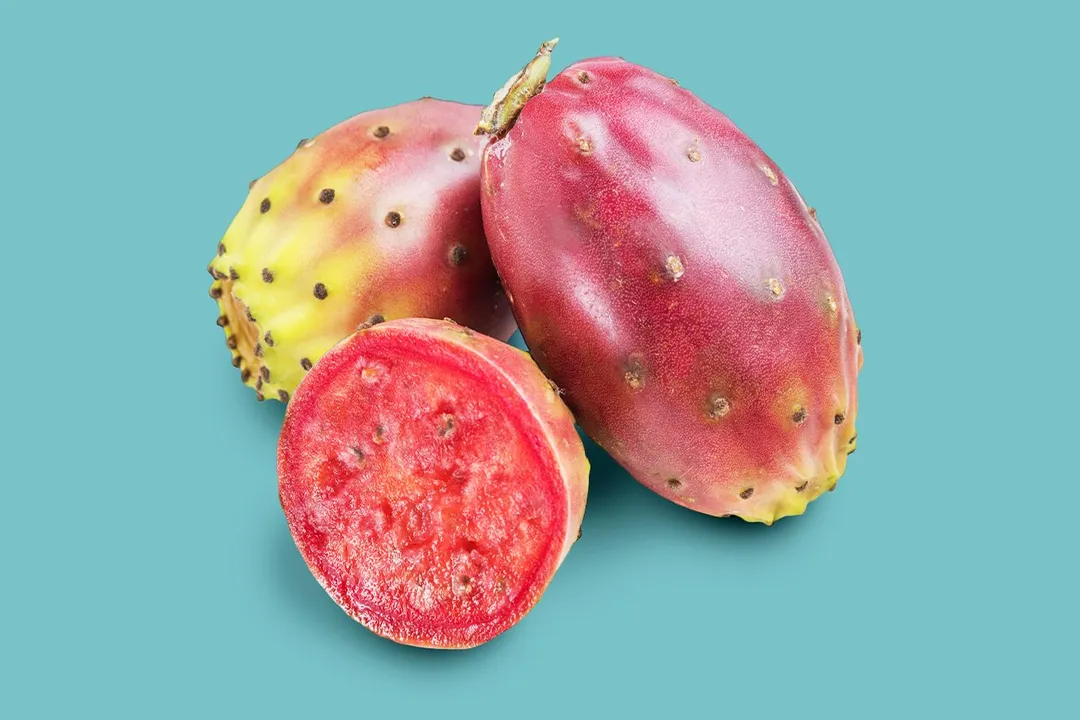
What supports the authority and trust associated with the safety profile of prickly pear when consumed moderately as food?
Long history of use in traditional medicine systems
The confidence in the safety of consuming prickly pear parts as a dietary staple is significantly bolstered by its extensive historical record. Indigenous communities have incorporated various parts of the cactus, including the fruit, pads, and mucilage, into their diets and healing practices over centuries. This long-standing human experience serves as a powerful, albeit non-clinical, indicator of general safety when the plant material is consumed in moderation as part of regular nourishment. This history contrasts sharply with substances known to cause acute or chronic injury after only short periods of use. While modern clinical trials are necessary to quantify specific pharmacological effects, the deep roots in traditional use provide a baseline level of assurance regarding its low inherent risk profile as a food source.