Are there any bad ingredients in Alani?
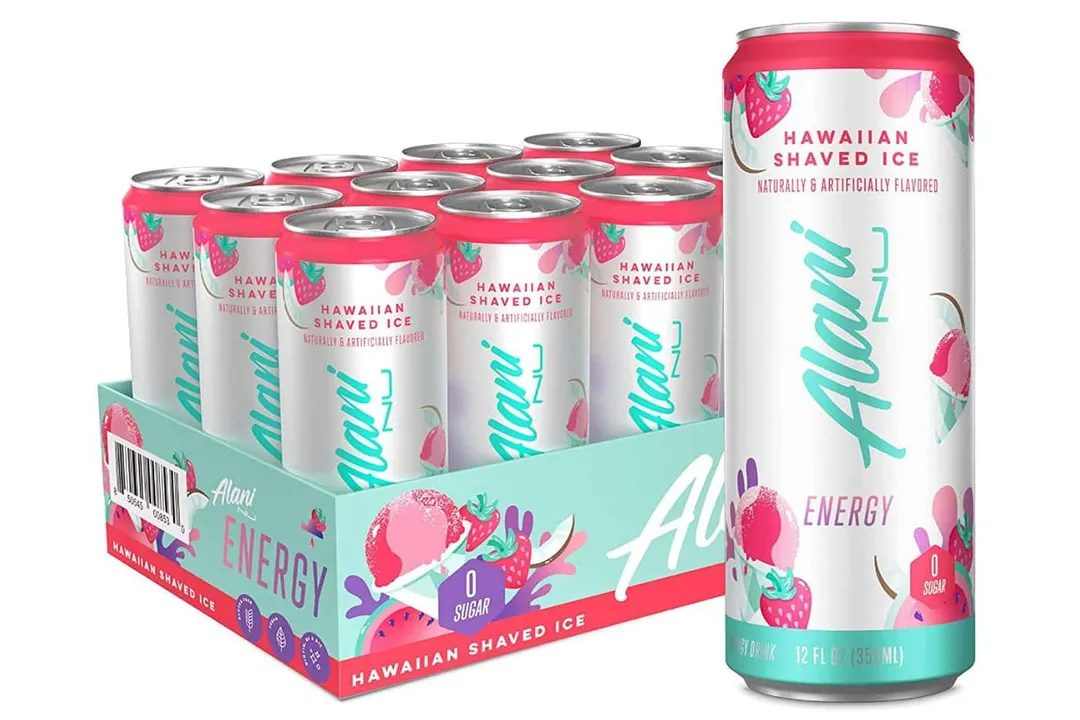
The conversation surrounding Alani energy drinks often revolves around their vibrant marketing and widespread presence, leading many consumers to wonder about the actual substance behind the flavor names. When digging into the ingredients list, the narrative splits between what the brand promotes and what nutrition experts and ingredient watchers highlight as potential concerns. Understanding if there are "bad" ingredients requires looking past the low-calorie count and zero sugar to examine the additives, sweeteners, and stimulants involved in creating these popular beverages.
# Caffeine Levels

A primary factor in any energy drink discussion is caffeine, and Alani products are no exception to this scrutiny. Many of Alani Nu’s standard energy drinks typically contain 200 mg of caffeine per 12-ounce can. For context, this is often equivalent to what one might find in a strong cup of brewed coffee. While 200 mg is a common benchmark in the energy drink industry, it is a significant amount, and consuming multiple cans can lead to excessive intake, which health professionals link to negative side effects.
Experts caution that energy drinks often use branding that leans into "wellness" imagery, which can inadvertently obscure the reality of high caffeine loads. One person sharing their experience noted that consuming Alani nearly every day led to reliance and subsequent negative feelings, illustrating the potential for habituation associated with this level of stimulant use. If a person is sensitive to caffeine, or if they are consuming other caffeinated products throughout the day, this 200 mg serving size can quickly push them over recommended daily limits.
It is worth noting that Alani also offers Alani Nu Energy Drink Mixes, which provide a different format. For example, the Orange Kiss Energy Drink Mix was analyzed by the Environmental Working Group (EWG), which assigns scores based on ingredient health concerns. While I cannot list the exact score here without browsing the EWG link, these mixes, like the canned drinks, still contain caffeine, making the total stimulant load a continuous point of evaluation for regular consumers.
One way to put this into perspective is considering the timing. If someone drinks an Alani at 9 AM and then has a standard 8-ounce cup of coffee (which can contain anywhere from 95 to 200 mg depending on the brew method) at noon, they have likely already surpassed the 300 mg mark that many health guidelines suggest as a safe upper limit for most healthy adults. This constant intake through convenient, brightly packaged cans presents a risk factor that consumers need to actively monitor, as the beverage’s perceived health halo might discourage that vigilance.
# Sweeteners Used
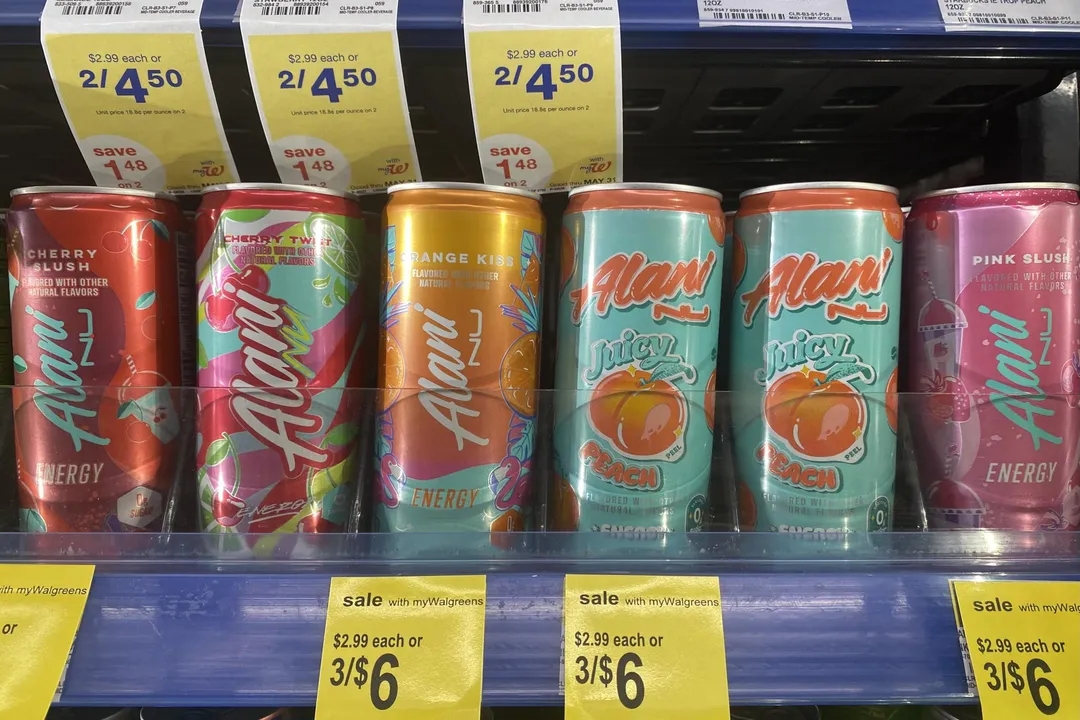
Because Alani drinks boast zero sugar and are marketed as lower-calorie alternatives, they rely on artificial sweeteners to achieve their taste profile. The most frequently cited sweetener in these products is sucralose.
Sucralose, marketed as Splenda, is an artificial sweetener that is chemically derived and passes through the body largely undigested. While major regulatory bodies generally deem sucralose safe for consumption at acceptable daily intake (ADI) levels, its presence is a clear indicator that the product is heavily processed, which goes against the grain of many natural eating philosophies. For consumers actively trying to reduce or eliminate artificial ingredients from their diet, sucralose is often flagged as an ingredient to avoid, regardless of regulatory approval.
The EWG assessment on the Orange Kiss mix specifically flags ingredients, which often includes these types of additives. When comparing Alani to beverages sweetened only with natural sugars (though these would then carry a calorie count), the choice is between sugar load and artificial load. For individuals managing blood sugar or seeking weight management, the zero-sugar option seems beneficial, but for those prioritizing whole foods, the processed nature of sucralose raises a red flag.
The company itself has, through its social media presence, defended its ingredient choices, sometimes directly addressing consumer concerns about components like caffeine and sweeteners. This transparency, while helpful, still leaves the consumer to weigh the company's defense against the concerns raised by outside nutritional commentators about artificial additives.

# Additives and Processing
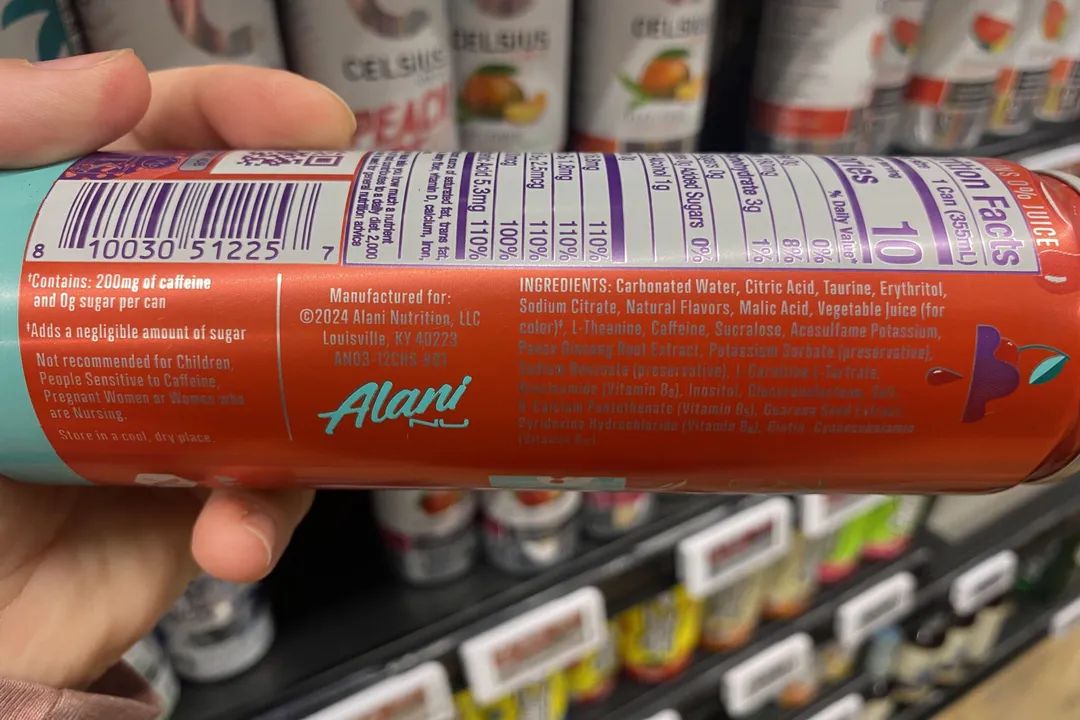
Beyond the main components of caffeine and sweeteners, Alani drinks contain a blend of vitamins, amino acids, and preservatives necessary for shelf stability and function. Ingredients like L-Theanine, often included alongside caffeine to promote smoother energy and focus, are common in this beverage category. While L-Theanine itself is generally seen as beneficial or neutral, its combination with high caffeine needs context.
Another point of consideration in many energy drinks, and potentially Alani, is the inclusion of coloring agents and preservatives. The EWG scoring system specifically evaluates these aspects, flagging ingredients that might be linked to potential health concerns or environmental impacts. For instance, a detailed look at an Alani mix showed that preservatives like potassium sorbate and sodium benzoate might be present, which are used to maintain freshness but are also artificial additives.
When a product is heavily reliant on synthetic compounds, amino acids added for function, and artificial sweeteners for taste, it moves further away from what might be considered a "clean" or "natural" beverage. This contrast is important: Alani is not simply flavored water with a vitamin boost; it is a highly engineered functional drink. Consumers who prioritize avoidance of synthetic dyes or preservatives will likely find ingredients on the list that meet their personal criteria for "bad" components.
One analytical perspective to consider is the trade-off between convenience and ingredient quality. A person looking for a quick, pre-workout boost or afternoon pick-me-up might view the ingredient profile as an acceptable trade-off for the energy delivery system. However, if someone aims for daily hydration through naturally sourced nutrients, substituting water or unsweetened tea with an Alani drink means introducing several synthetic compounds into their routine daily.
# Branding Versus Reality
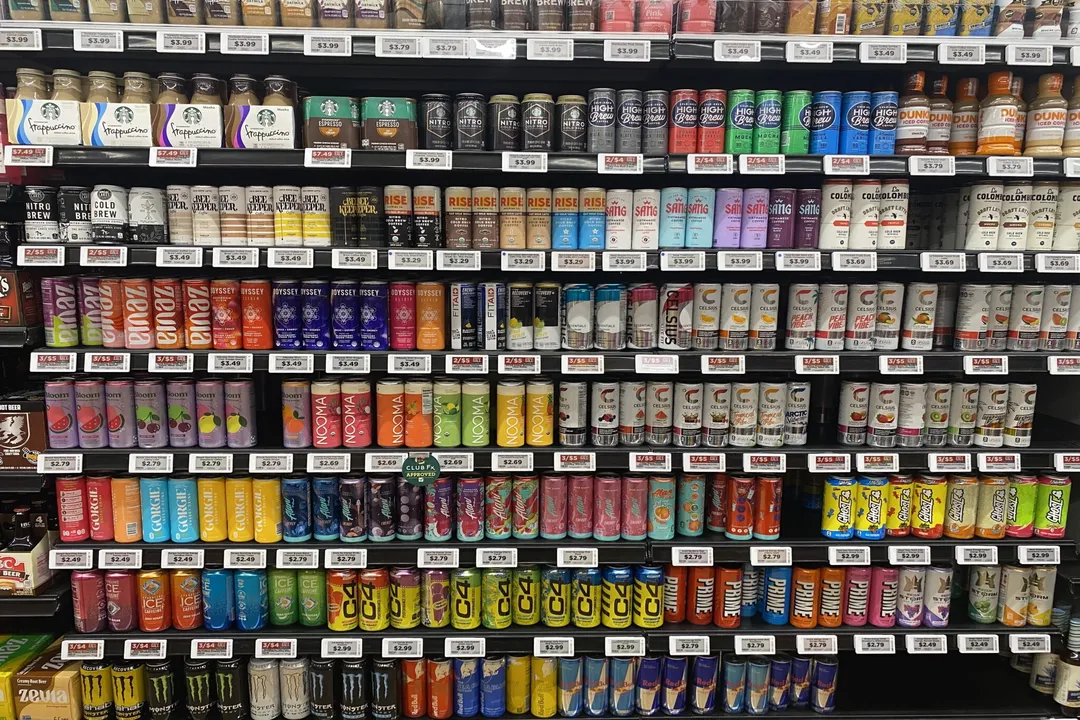
The success of Alani Nu is deeply intertwined with its aesthetic and marketing approach, which often targets a female demographic with bright colors and association with fitness and lifestyle influencers. This "wellness branding" is a growing trend in the energy drink sector, according to industry observers. The danger, as experts suggest, lies in this branding obscuring the underlying health risks associated with high levels of caffeine and artificial ingredients.
For instance, viewing promotional material, such as short-form videos from the company, showcases the appealing flavors and the lifestyle associated with the product, positioning it as a fun, daily accessory. This contrasts sharply with critical viewpoints suggesting the drinks carry real dangers, especially when consumed frequently. When a beverage is packaged to feel like a guilt-free treat, consumers might naturally underestimate the stimulant load or the cumulative effect of artificial ingredients.
It is easy for a consumer browsing a store aisle to see the sleek packaging and focus on the "zero sugar" label, assuming the product is inherently "healthy". However, the distinction between a healthier alternative (compared to a full-sugar soda) and an objectively healthy drink (like plain water or unsweetened tea) is crucial. The heavy reliance on artificial components inherently places Alani on the former side of that spectrum.
A potential pitfall in consumption patterns arises when the marketing encourages daily habits. Anecdotes from users who consume them nearly daily highlight how quickly the drink transitions from an occasional boost to a perceived necessity, often accompanied by negative physical effects when they stop or miss a serving. This cycle suggests that the convenience and marketing have successfully integrated the product into daily life, potentially masking dependency on the high dose of caffeine.

# Assessing Ingredient Profiles
When evaluating if an ingredient is "bad," it often comes down to frequency of consumption and individual sensitivity. For someone consuming one Alani occasionally, the ingredients may pose minimal risk. For someone consuming two or more daily, the additives and caffeine become a chronic input.
Let's structure the primary components that draw scrutiny:
| Component Category | Common Examples in Alani-Type Drinks | Primary Concern/Consideration | Citation Basis |
|---|---|---|---|
| Stimulant | Caffeine (200 mg) | High intake risk, dependency, sleep disruption | |
| Sweetener | Sucralose | Artificial nature, long-term effects debate | |
| Additives | Preservatives (e.g., Potassium Sorbate) | Non-natural content, EWG flagging | |
| Functional Ingredients | L-Theanine, B Vitamins | Generally safe, but part of a processed matrix |
When looking at the EWG scoring methodology for products like the mixes, they often assign poor scores not just for obvious toxins, but for ingredients known to be highly processed or those lacking comprehensive safety data. This external rating system provides a standardized way to view the ingredient deck through a lens focused on purity and safety thresholds, which may differ from the FDA's general approval standards.
If a reader is aiming for an ingredient list comprised solely of items found in nature, Alani products will not fit that bill due to the necessary inclusion of flavorings, colorings, and artificial sweeteners to achieve their specific profile and shelf life. The brand prioritizes a specific taste, zero-calorie experience, and energy delivery, which necessitates a highly formulated ingredient list.
For an actionable tip, anyone looking to moderate their intake without quitting entirely should substitute one can per day with naturally flavored sparkling water or cold-brewed green tea. This immediately cuts the daily dose of artificial sweeteners and potentially halves the daily caffeine load from the drink, allowing the body to reset its tolerance to the 200 mg dose without making an all-or-nothing lifestyle change. This substitution strategy acknowledges the convenience factor while mitigating the chronic exposure to processed additives.
Another insight relates to cost versus nutritional density. While the price point of a single can is generally moderate, calculating the cost over a month of daily consumption reveals a significant expense for a product that offers minimal actual nutritional value beyond B vitamins and a stimulant kick. Compare the monthly cost of 30 Alani drinks to the cost of buying bulk coffee beans or tea bags—the latter provides a healthier, less processed caffeine source for a fraction of the price, shifting the value proposition entirely toward the flavor experience rather than functional necessity.
Ultimately, the determination of "bad ingredients" in Alani is highly subjective, resting on the consumer's health goals. Caffeine is a psychoactive stimulant present in high quantities. Sucralose is an artificial sweetener that some actively avoid. If these two categories meet a personal definition of undesirable inputs, then yes, Alani contains ingredients that many people classify as "bad" for regular consumption, even if they are technically permitted additives in the food supply. The key is informed consumption, weighing the brand's appealing presentation against the reality of its manufactured composition.
Related Questions
#Citations
Are Alani Energy Drinks Healthy? An Honest Dietitian Review
Are Alanis Bad For You (From a Nutritionist)? - Clean Eating Kitchen
The Dangers of Alani Nu - The Growler
Debunking Myths About Alani Energy Drinks - TikTok
Why new wellness-branded energy drinks have health experts worried
Alani Nu Orange Kiss Energy Drink Mix ... - EWG's Food Scores
I've been drinking Alani Nu energy drinks *nearly* every day for 1.5 ...
Are Alani Energy Drinks Bad for You? - L'Evate You
Stay away from Alani Energy Drinks! They're made with unknown ...