Are perfluorocarbons bad for you?

The widespread presence of certain synthetic compounds, often referred to as perfluorocarbons (PFCs) or more broadly as PFAS, has shifted from being a niche industrial concern to a public health topic recognized across many sectors, from firefighting to food safety. [1][3] These chemicals are known for their unique, almost stubborn, properties that make them incredibly useful in manufacturing everything from stain-resistant carpets to non-stick cookware. [9] The real issue, however, lies in how long these very properties—specifically, the strength of their carbon-fluorine bonds—allow them to persist once they enter the environment or the human body. [7]
# Chemical Bonds
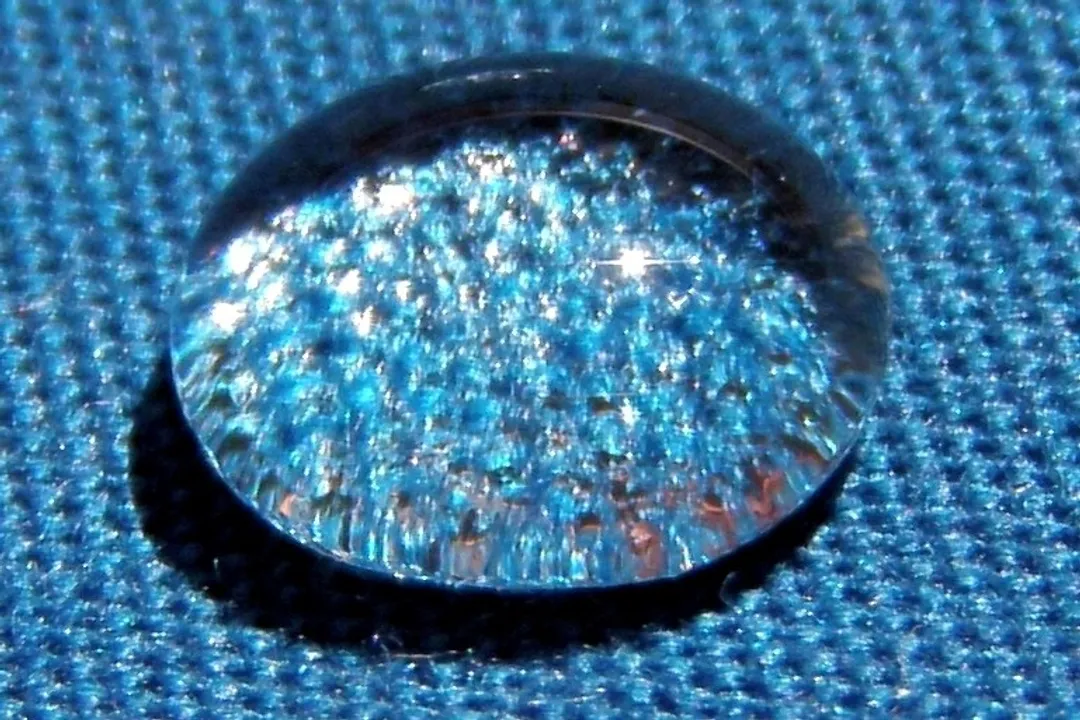
Per- and polyfluoroalkyl substances, or PFAS, are a large group of manufactured chemicals characterized by strong carbon-fluorine bonds. [9] This chemical structure is the source of their utility; it makes them resistant to heat, oil, stains, and water. [7] However, this same characteristic is precisely what earns them the sobering moniker of "forever chemicals". [5][7] Once released, these substances do not readily break down in the environment or within living organisms, leading to accumulation over time. [2][7] This persistence is a fundamental difference between PFAS and many other industrial chemicals that degrade relatively quickly through natural processes. [9] If a product treated with PFAS has a typical functional lifespan of five to ten years, the chemical within it remains active for decades, potentially centuries, making the long-term accumulation a certainty rather than a possibility. [7]
The group is vast, encompassing thousands of distinct chemicals. [9] While some specific compounds, like PFOA (perfluorooctanoic acid), have been phased out of manufacture in the United States, they remain concerning due to their widespread presence in the environment, and their replacements—often other PFAS compounds—carry similar structural characteristics and persistence concerns. [4][2]
# Product Presence
Understanding the risks associated with PFAS requires acknowledging just how interwoven these compounds are with modern life. They are not confined to one industry; rather, they are found in numerous consumer products designed to resist wear, grease, and moisture. [5]
One common area of exposure involves food contact materials. Many fast-food wrappers, microwave popcorn bags, and pizza boxes are treated with PFAS to prevent grease from soaking through the paper or cardboard. [5] This direct contact means that when you consume the food, you may also be ingesting trace amounts of the chemical coating. [5]
Beyond food, textiles and home furnishings are major reservoirs. Carpets, upholstery, and water-repellent outerwear often contain PFAS to provide resistance to spills and stains. [1][5] This means that everyday activities, such as sitting on a couch or wearing a raincoat, contribute to the overall body burden of these persistent chemicals. [5] Furthermore, they have been identified in drinking water sources, often due to contamination from industrial discharge or the use of firefighting foams containing PFAS, which have seeped into the groundwater. [1][2]
An often-overlooked exposure pathway relates to indoor dust. Since PFAS are used in many household items—from furniture treatments to specialized electronics—these chemicals can leach into household dust, which is then inhaled or ingested, particularly by small children who spend more time close to the floor. [5] If you are assessing your home environment, paying closer attention to items labeled as "waterproof" or "stain-resistant" made before the last decade can offer a starting point for understanding your household's potential inventory of legacy PFAS.

# Health Effects
The primary concern regarding PFCs/PFAS is their established ability to accumulate in the human body, leading to what is called a body burden. [2][7] Studies show that measurable levels of some PFAS compounds can be found in the blood of nearly everyone in the United States population. [2] While the body does eventually clear some of these chemicals, the half-life—the time it takes for half the substance to leave the system—can range from a few days to several years, depending on the specific chemical. [7]
Scientific investigation into the health risks associated with PFAS exposure has identified several areas of concern, though the exact mechanisms and dose-response relationships are still being fully characterized by researchers. [2][6]
# Cancer Links
A significant focus of past research has been the link between certain PFAS and cancer risk. Specifically, PFOA, a legacy compound, has been associated with an increased risk of developing kidney cancer and testicular cancer. [4] While the evidence is strongest for these two types, researchers continue to monitor associations with other malignancies. [4] It is important to differentiate between the known occupational exposure levels that led to these findings and the lower, chronic exposure levels experienced by the general public, though both warrant continued scientific scrutiny. [6]
# Systemic Impact
Beyond cancer risks, exposure to PFAS has been linked to a broader range of adverse health outcomes. [2][6] These include impacts on the liver, with some studies indicating changes in liver enzymes. [2] The endocrine system is also a target; PFAS exposure has been associated with altered thyroid hormone levels. [6]
Furthermore, these chemicals appear to interfere with immune response. Research suggests that exposure may decrease the body's ability to produce antibodies in response to vaccines, potentially making individuals less protected against infectious diseases. [6] Developmental effects in infants and children, such as low birth weight, are also points of concern highlighted by public health agencies. [2][8] Stanford researchers, for example, have noted that even low-level, long-term exposure is difficult to study because it reflects the reality of living in a world saturated with these chemicals, making it hard to establish a truly "unexposed" baseline for comparison. [6]
# Occupational Exposure
While the general public faces risks through consumer products and water, certain professions encounter much higher levels of exposure, often related to their essential duties. [3] Firefighters represent a group with historically high exposure risk due to their routine use of Aqueous Film-Forming Foam (AFFF). [3]
AFFF was, and in some places still is, crucial for rapidly extinguishing flammable liquid fires, particularly in military and airport settings. [3] Because AFFF formulations contained high concentrations of PFAS, firefighters, emergency responders, and military personnel working with or near this foam experienced significant dermal absorption and inhalation of these toxic substances. [3] For this specific population, the acute and chronic exposure levels are significantly higher than those typically encountered in daily household use, necessitating specialized medical monitoring and awareness programs. [8]

# Regulatory Stance
Government agencies acknowledge the widespread nature of PFAS and are actively working to understand the risks and establish guidelines for safety. [2][8] The Environmental Protection Agency (EPA) maintains that PFAS are a national concern, and work is underway to assess human health and environmental risks associated with these compounds. [2]
In the realm of drinking water, regulatory bodies focus on setting health advisories and developing standards to limit concentrations, especially in areas where contamination from industrial sites or military bases has been detected. [2][8] This regulatory effort involves evaluating data on persistence, bioaccumulation, and toxicity to determine safe exposure thresholds. [2]
It is helpful for consumers to recognize that the term PFC is sometimes used interchangeably with PFAS, but the regulatory focus is increasingly on the entire class of PFAS due to the substitution issue—where banning one harmful PFAS simply leads to the adoption of a closely related, but not yet regulated, alternative. [9][4] When reviewing information from health authorities like the VA or EPA, look for updates on PFAS, as this is the more current and scientifically broad designation being used for risk management. [2][8]
# Reducing Intake
Given the ubiquity of PFAS, eliminating exposure entirely is nearly impossible under current environmental conditions. [1][5] However, informed consumer choices can mitigate the portion of exposure that is directly controllable through daily habits.
One actionable step involves reevaluating kitchenware. If you have older non-stick pans that might contain PFOA or related compounds, consider replacing them with stainless steel or cast iron cookware. [4] While not a guarantee against all PFAS exposure, this substitution removes a major source of potential ingestion through food preparation. [5] Similarly, when purchasing new items like stain-resistant rugs or furniture, look for certifications or product descriptions that explicitly state "PFC-free" or "PFOA-free," understanding that this often means the product uses newer chemistries that are still under investigation for long-term effects. [5] For immediate water concerns, checking local water quality reports for any detected PFAS levels and considering filtration systems proven effective against these substances—such as granular activated carbon filters—can provide a layer of defense against environmental contaminants. [2] This layered approach, addressing both direct product choices and environmental intake, offers a pragmatic way to manage risk without succumbing to alarm about every trace chemical present in the world around us.
Related Questions
#Citations
The chemicals called PFCs are everywhere, and that's a problem
PFAS Human Health & Environmental Risks: Understanding
[PDF] PFCs fact sheet
PFOA, PFOS, and Related PFAS Chemicals
Toxic Chemicals in Products & Bodies: Everywhere
PFAS, aka 'forever chemicals': What the science says
PFAS and Your Health | ATSDR
PFAS - Perfluoroalkyl and polyfluoroalkyl substances - Public Health
PFAS - Wikipedia