Is it bad to get pricked by a thorn?
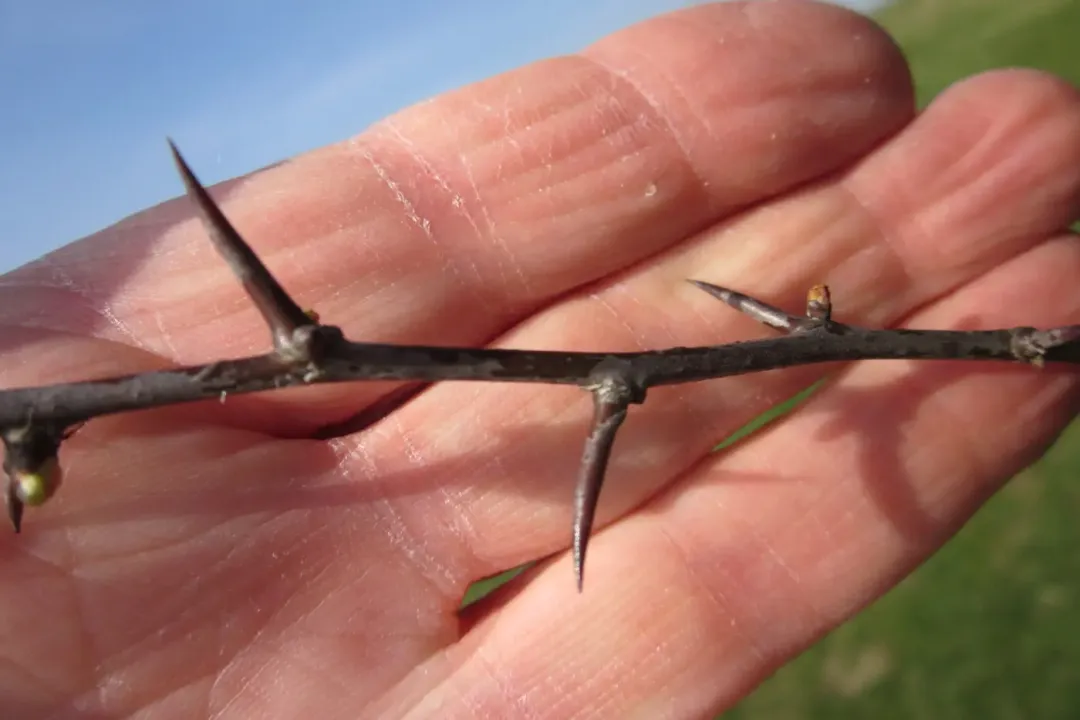
The simple act of tending to a rose bush or clearing brush often ends with a sharp, stinging reminder: a thorn embedded in the skin. It’s a universal gardening experience, one that usually results in a minor curse, a quick tug, and a brief bleed before you move on with your day. However, the true measure of how "bad" that prick really is depends entirely on what the thorn carries and how deeply it penetrates. While many thorns are merely physical irritants, they are also microscopic delivery systems for whatever else was on the plant or in the soil beneath it. [4][7]
# Vector Danger

A thorn itself—whether from a rose, a cactus, or a bramble—is not typically venomous or chemically toxic in the way some animal stings are. [4] The danger lies in its ability to pierce the skin, creating a pathway directly past the body’s primary defense mechanism, the epidermis. [6] Because thorns are often thin and sharp, they create a narrow puncture wound. This type of injury is particularly concerning because the surface opening can seal up quickly, effectively trapping bacteria, soil debris, or fungal spores deep inside where oxygen is scarce, creating an ideal environment for anaerobic organisms to flourish. [6]
# Primary Concerns
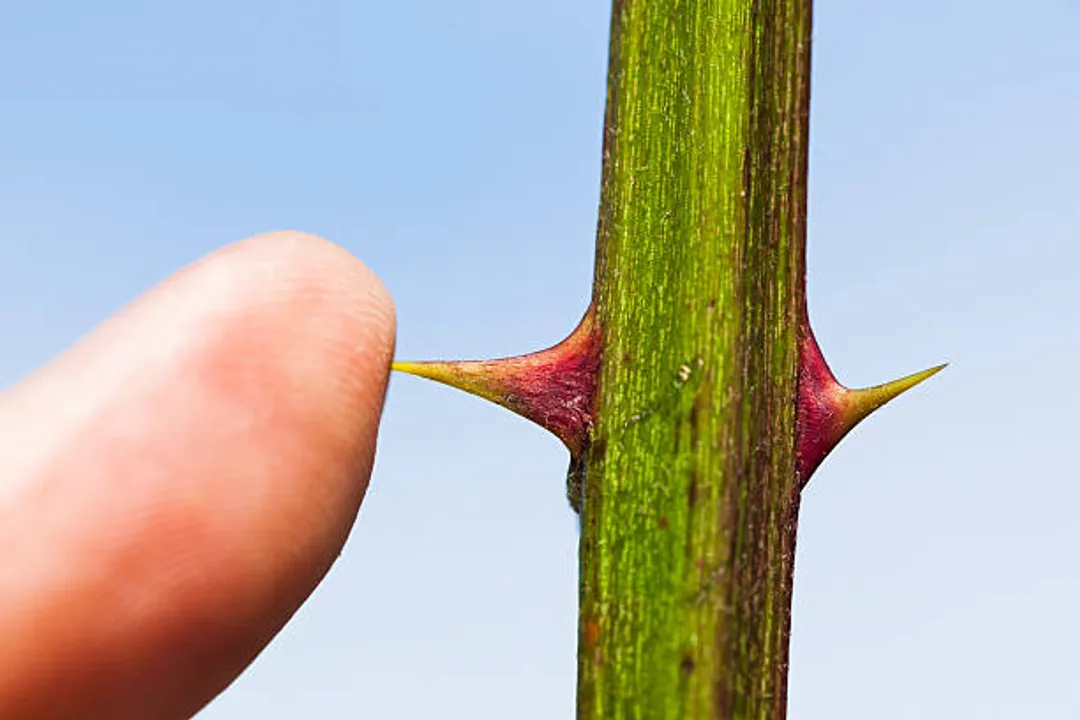
When assessing any puncture wound from plant material, three main threats immediately come to mind: common bacteria, tetanus, and specific plant-related pathogens. [1][9]
# Bacterial Contamination
Any item pulled from the garden is covered in soil-borne bacteria. Even if the initial prick seems shallow, the bacteria introduced can cause a standard localized skin infection, leading to redness, swelling, warmth, and eventually pus formation if the body cannot fight off the invaders on its own. [6]
# Tetanus Risk
Perhaps the most critical systemic risk associated with deep, dirty puncture wounds is tetanus, caused by the bacterium Clostridium tetani. [1] This bacterium is found commonly in soil and dust. If you haven't had a recent tetanus booster—generally recommended every ten years—a deep thorn prick warrants a conversation with a healthcare provider to determine if a booster is needed, especially if the wound is dirty or the vaccination history is uncertain. [1]

# Deep Tissue Complications
The term "bad" escalates significantly when the thorn penetrates deeper structures, moving beyond the skin and into soft tissue, tendon sheaths, or joint spaces. [5]
# Joint Inflammation
One specific, though relatively rare, outcome is plant thorn synovitis. [5] If the sharp object penetrates the capsule of a joint—such as in the knuckles or wrist—it can introduce foreign material directly into the synovial fluid. The body reacts intensely to this intrusion, resulting in inflammation of the joint lining, or synovitis. [5] Symptoms include pain, swelling, and limited range of motion localized around the affected joint. Even if the thorn is removed, inflammation can persist, requiring medical attention to treat the irritation caused by the retained debris. [5]
# Chronic Infection Risks
For wounds that are extremely deep, especially those occurring in individuals working closely with soil or compost, there is a risk of inoculation with more resilient environmental fungi. [3][9]
One serious condition associated with this type of deep, dirty inoculation is mycetoma. [3] Mycetoma is a chronic, slowly progressive infection that destroys skin, subcutaneous tissue, bone, and muscle in the affected area. [3] While not exclusively caused by thorns, it is often associated with penetrating trauma from plant material or splinters carrying the causative fungal or bacterial agents found in soil. [3] This condition highlights the severe, long-term consequences of ignoring deep garden-related punctures, as treatment can be long and complex. [3]
# Fungal Specificity
When dealing specifically with roses, there is a recognized, named condition linked to their thorns: Sporotrichosis, commonly called Rose Picker's Disease. [9]
This infection is caused by fungi of the Sporothrix genus, which live naturally in soil, moss, sphagnum peat moss, and decaying vegetation. [9] A scratch or prick from a rose thorn can introduce these microscopic organisms beneath the skin. [9] Initially, it often presents as a small, painless nodule at the site of entry. [9] Over time, characteristic red, firm nodules may develop along the lymphatic channels leading away from the original site, resembling a string of beads running up the limb. [9] While many cases are mild and self-limiting, the fungus can spread internally to bones or the lungs in vulnerable individuals. [9] This specific fungal risk separates rose thorn injuries from simple scrapes sustained elsewhere.
# Managing the Moment
When the inevitable prick occurs, immediate action is crucial for minimizing all the risks detailed above, from simple infection to serious fungal inoculation. [6]
# Cleaning Protocol
The very first step is to stop any bleeding and then clean the area thoroughly. [2] Wash the wound immediately and vigorously with soap and plenty of running water to flush out debris and surface contaminants. [2] If you can see the thorn fragment clearly and it hasn't gone too deep, gently try to remove it with clean tweezers. [2]
A useful trick for tiny, deeply embedded splinters that don't surface easily is applying a drawing salve or a thick paste of baking soda and water overnight under a bandage; this can sometimes encourage the body to push the irritant out naturally, minimizing the need for aggressive digging that might introduce more germs.
# Assessing Depth and Status
After cleaning, assess the wound carefully. If the thorn broke off beneath the surface, resist the urge to pick or dig excessively, as this damages tissue and increases the risk of introducing more microbes. [7] A shallow puncture that stops bleeding quickly and doesn't cause immediate pain beyond the initial sting has a relatively low risk profile, provided your tetanus status is up to date.
# Red Flags
Knowing when a simple prick transitions into a medical concern is key to preventing long-term issues. [5][6] Pay close attention to the wound over the next few days.
| Symptom | Potential Implication | Action |
|---|---|---|
| Increasing pain, warmth, or swelling | Localized bacterial infection | See a doctor within 24 hours |
| Red streaks extending from the wound | Spreading infection (lymphangitis) | Seek immediate medical care |
| Stiffness or inability to move a nearby joint | Potential synovitis or deep inflammation | Consult a physician promptly |
| Fever, chills, or general malaise | Systemic infection or more serious deep invasion | Urgent medical evaluation required |
If you notice any signs of Sporotrichosis—like a growing lump or lesions along a line extending from the original prick—it is important to mention the specific association with rose thorns when seeking help. [9] When assessing the depth and risk, consider the material. A thorn from a dry, indoor decorative branch poses a much lower contamination risk than a thorn from a plant growing directly in moist garden soil, as the latter provides a richer environment for problematic fungi and bacteria to thrive.
Ultimately, while the vast majority of thorn pricks resolve with basic first aid, the potential for trapped foreign bodies leading to synovitis or inoculation with soil-borne pathogens like Sporothrix means that every puncture warrants respect and meticulous observation. [5][9]
Related Questions
#Citations
Rose Thorns: A Risk for Bacterial and Fungal Infection - Healthline
Pricked by a rose thorn : r/gardening - Reddit
Mycetoma: A Simple Thorn Prick | DNDi
Rose Thorns: Are They Toxic? A Gardener's Essential Safety Guide
Plant Thorn Arthritis Infection Causes, Symptoms, Treatment
Beware thorn punctures; they can make you sick
A Thorny Problem | Psychology Today Canada
What happens when you get poked by a rose thorn and experience ...
What Is Rose Picker's Disease: Tips On Preventing A Rose Thorn ...