Are chives good for the liver?
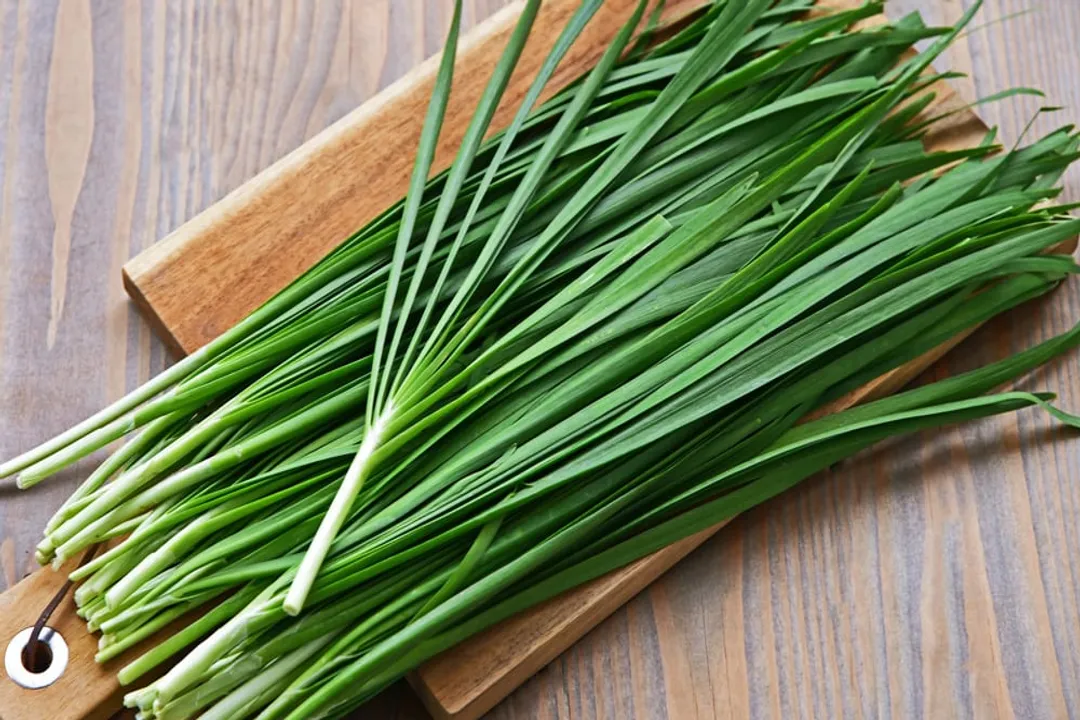
The simple, grass-like green herb often relegated to a garnish status on baked potatoes or omelets actually holds a surprisingly significant reputation when it comes to supporting one of the body's hardest-working organs: the liver. Chives, part of the vast Allium genus alongside familiar members like garlic and onions, are packed with compounds that modern research and traditional practices suggest offer protective and restorative benefits for hepatic function.
The focus on the liver often centers on managing disease, but maintaining its health proactively is essential, as the liver performs vital roles, including fighting off infection, managing the body’s supply of energy, breaking down nutrients to aid digestion, and crucially, getting rid of toxins and drugs. When this organ comes under stress, as in conditions like cirrhosis, diet becomes an even more critical factor in symptom management and preventing further decline.
# Liver Support
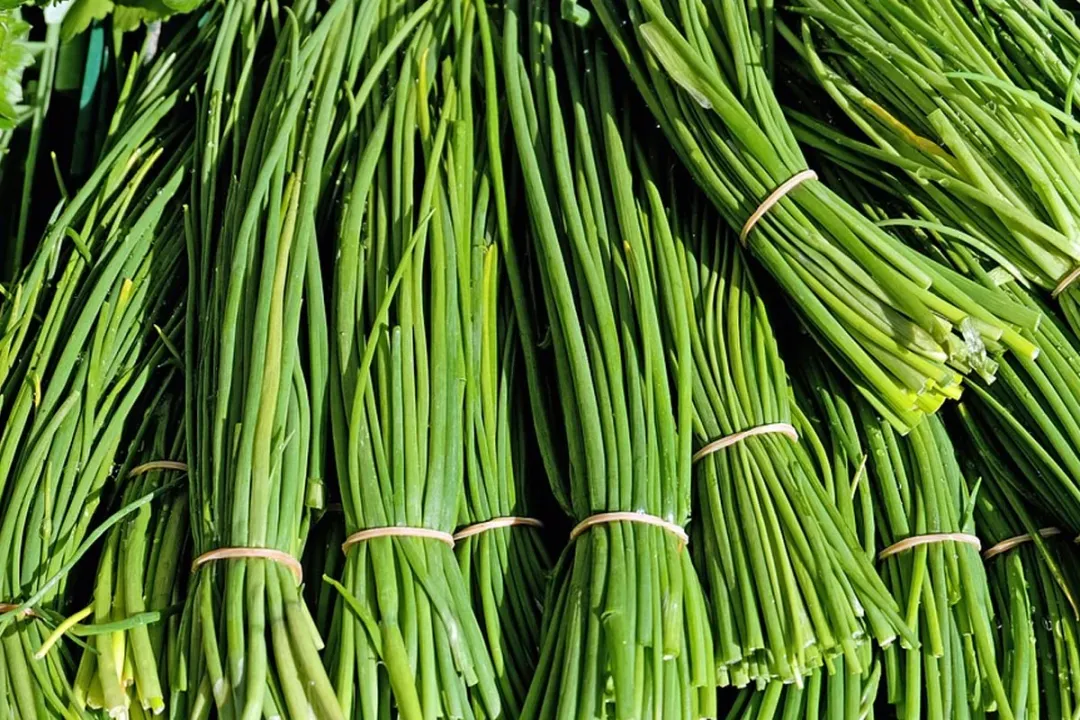
Some viewpoints specifically identify chives as a "Liver-Loving Superfood," suggesting a dedicated role in maintaining its balance and vitality. This association is not entirely new; in Korean tradition, for instance, regular consumption of chives has been historically associated with purifying the blood—a process intrinsically linked to liver detoxification. Furthermore, the plant contains compounds that are thought to safeguard the liver from potential tissue damage and organ failure when incorporated into the diet. This protective action seems to stem from the plant’s unique biochemical makeup, which sets it apart from some other common greens.
# Key Compounds
The protective qualities attributed to chives largely stem from their concentration of certain beneficial biochemicals. They belong to the Allium family, which is well-regarded for producing powerful sulfur-containing constituents. These organosulfur compounds are of particular interest because they have been shown in studies to influence the activity of certain enzymes involved in the body's detoxification processes, potentially slowing the spread of abnormal cell growth. Beyond these sulfur derivatives, chives also supply allicin, a phytonutrient also celebrated for its presence in garlic.
Another important component noted for its potential systemic benefits is quercetin. This compound acts as an anti-inflammatory antioxidant. Chronic, long-term inflammation is believed by some researchers to underlie numerous chronic health issues, so incorporating foods with anti-inflammatory properties, like chives, supports overall cellular health. The presence of these antioxidants, coupled with Vitamin C, helps shield internal cells from damage caused by harmful free radicals.
# Choline Role
Among the vitamins and antioxidants, a specific nutrient present in chives—choline—is singled out for its direct impact on liver function. Choline is an essential nutrient involved in many bodily processes, including maintaining cell structure and supporting metabolism. For the liver specifically, ensuring an adequate intake of choline is considered absolutely essential for its proper operation. While eggs, salmon, and cauliflower are other common sources, sprinkling fresh chives over a meal is an easy way to contribute to this necessary daily intake.
# Nutrient Profile
While chives are typically consumed in small quantities, even a tablespoon provides a surprising boost of key micronutrients. They offer substantial amounts of Vitamin K, which is crucial not just for blood clotting but also for maintaining strong bone health by aiding bone mineral density. They also contribute Vitamin C for immune system support and Vitamin A, which is important for eyesight.
When looking closely at the profile, chives also supply folate (folic acid) and manganese. Folate, along with choline, is noted for its connection to improved memory function and a potential role in preventing cognitive disorders like dementia. Manganese supports functions related to muscle strength and proper nerve signaling.
For those managing weight, it is useful to note that chives are very low in calories and fat. However, when considering a broader diet, especially for those with compromised liver function, overall energy balance is key. Patients dealing with liver disease, such as cirrhosis, often struggle with poor appetite, muscle loss, and unintentional weight loss. In such cases, the diet must be rich in energy and protein, meaning while low-calorie herbs are beneficial for nutrients, they must be paired with energy-dense foods.
# Varieties Compared
It is important to recognize that "chives" can refer to a couple of different, though related, plants, and their culinary and possibly functional differences are worth noting. Common chives (or onion chives) are known for their thin, hollow leaves and a flavor profile that leans toward a mild onion-garlic taste. Chinese chives, conversely, are often called garlic chives, have flatter leaves, and possess a more pronounced garlic flavor.
In traditional Chinese medicine, these garlic chives are categorized as a yang (or warming) food that specifically supports the liver, stomach, and kidneys, credited with possessing both detoxifying and antibacterial actions. This offers a distinct traditional nod to liver support, separate from the general antioxidant claims associated with the Allium group as a whole.
When comparing them for culinary purposes, European chives behave more like a delicate herb, best added raw just before serving. Garlic chives, being more fibrous, are often cooked more like a vegetable, frequently included in stir-fries or dumpling fillings.
# Preparation Care
The way chives are handled significantly impacts the retention of their beneficial compounds, especially those compounds suggested to support the liver's functions. Heat can diminish both their flavor and their medicinal potency. This means that to gain the most benefit from the organosulfur compounds and antioxidants, they should be incorporated at the very last stage of cooking—ideally in the final minute or right before plating.
A traditional Korean approach to maximizing their vitality involves preparing them in dishes like pancakes using gentle heat, or simply using them raw in salads, dips, or as a fresh topping. If you are cooking them, a very light sauté for mere seconds is preferable to extended simmering or boiling.
An interesting point of traditional caution arises when considering combinations: one source strongly advises against mixing chives with honey, suggesting they are antagonistic and can cause imbalances when combined. This kind of specific pairing advice highlights a deeper consideration of herbs as functional food, not just seasoning.
For those growing chives at home, regular snipping encourages bushier growth, and while the purple flowers are edible and attract pollinators, cutting them off can focus the plant’s energy back into leaf production for culinary use.
# Salt Replacement
For individuals managing advanced liver disease, such as cirrhosis accompanied by ascites (fluid buildup in the abdomen), a primary dietary recommendation is to restrict salt intake, sometimes down to around 5 grams per day. Since much dietary salt comes from processed foods like ready meals, sauces, and cured meats, this often leaves patients seeking alternative ways to add flavor to otherwise bland, prescribed foods like steamed vegetables or plain fish.
This is where the mildly pungent flavor of chives becomes functionally valuable. In a guide for patients with liver disease, chives are explicitly listed alongside pepper, vinegar, garlic, and herbs like parsley and basil as excellent, salt-free options for flavoring dishes, particularly potatoes and vegetables. Incorporating a generous amount of chopped chives onto simple steamed vegetables or potatoes offers a strong, fresh taste without contributing any extra sodium, directly supporting the compliance needed for managing fluid retention related to liver damage. This application moves chives from a general health supplement to a targeted dietary tool for symptom management in specific liver-related contexts.
# Conclusion
Whether chives are "good for the liver" is answered quite positively by several sources, framing them as a supportive food rich in key protective nutrients. The presence of choline points toward direct functional support, while organosulfur compounds suggest a role in internal detoxification and safeguarding tissue integrity. From an Eastern perspective, varieties of chives are believed to support the organ’s general vitality and blood purification. Whether you are seeking general wellness support or looking for flavorful, low-sodium additions to a therapeutic diet, treating these slender green stalks with a bit more respect than a mere garnish seems well-warranted. By paying attention to preparation—adding them raw or at the very end of cooking—you ensure that these delicate, yet powerful, alliums deliver their full spectrum of beneficial properties to your system.
Related Questions
#Citations
What Are Chives Good For? Benefits, Use, Recipes, More - Dr. Axe
Chives - A Liver-Loving Superfood - KOSA Acupuncture
Chives: The Astonishing Health Benefits Of This Nutrient-Dense ...
Chives: Health Benefits, Nutrients, Preparation, and More - WebMD
Real Food Encyclopedia - Chives - FoodPrint
Garlic Chives | Glossary - Kikkoman Corporation
[PDF] Liver disease (cirrhosis) and diet