Is endive good for your liver?
Endive, that crisp, slightly bitter leafy green, often gets overlooked in favor of its salad bowl neighbors, but it carries a history connected to supporting bodily systems, including the liver. The inquiry into its effect on this vital organ touches upon both traditional applications and modern nutritional science, centered largely around its distinctive flavor profile. [3][5] Understanding whether endive is beneficial requires looking closely at its composition and how its primary chemical components interact with digestive and detoxification processes. [5][8]
# Leafy Types

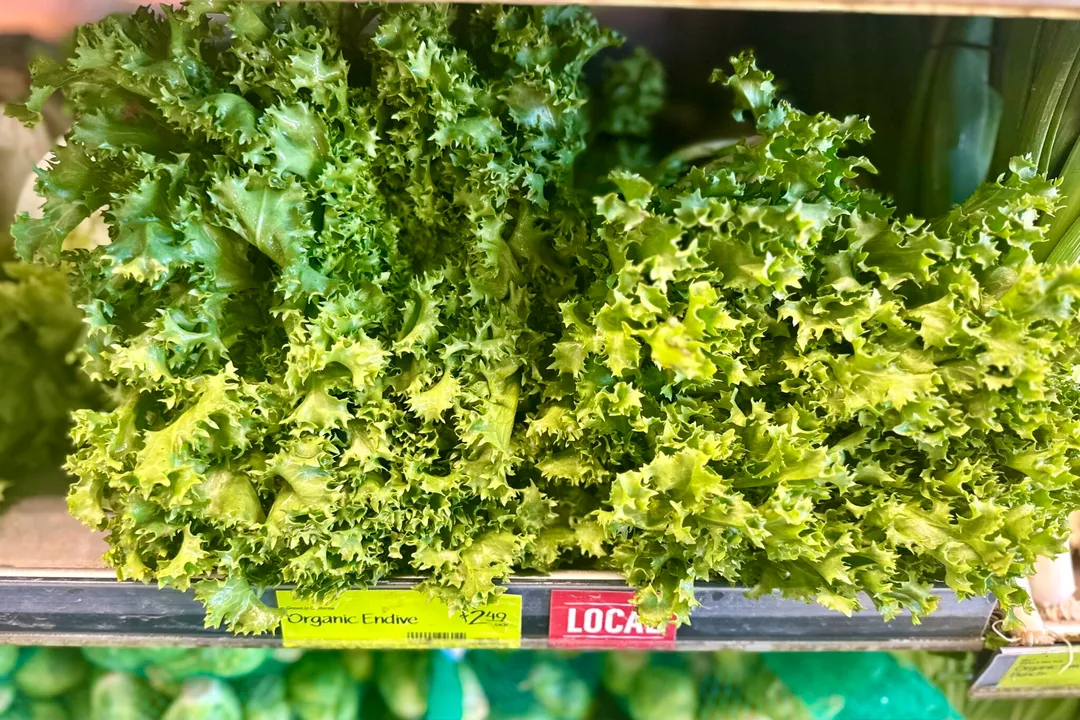
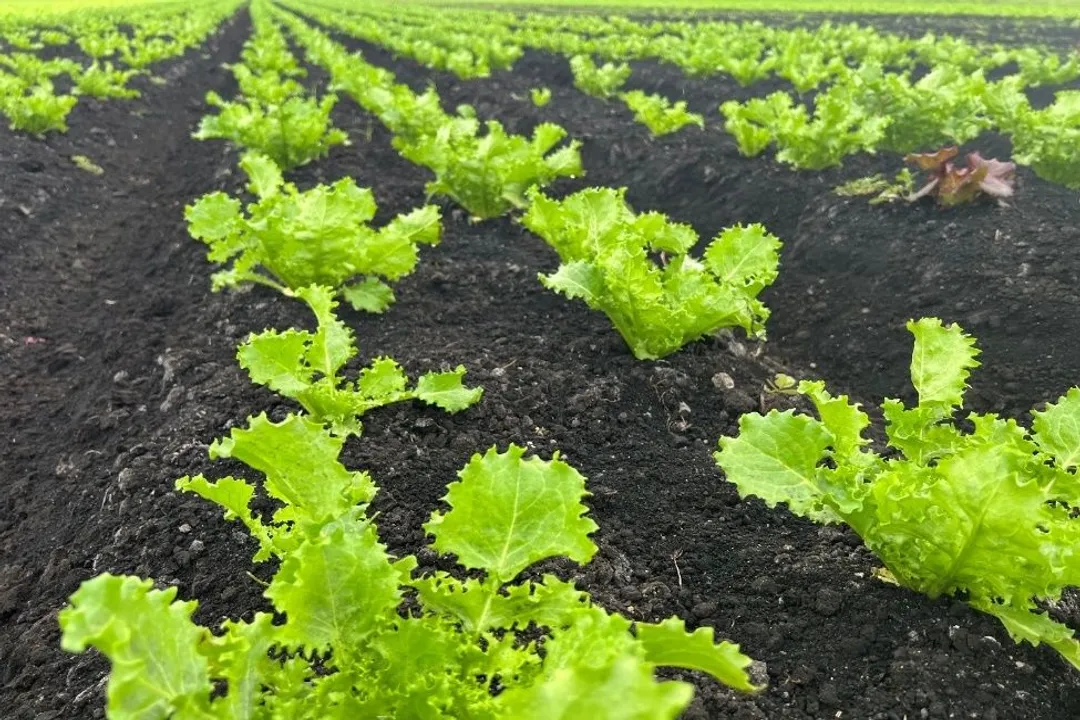
Endive is not a single vegetable but rather a category of leafy greens belonging to the Cichorium genus, often grouped with chicory. [1][6] There are two primary forms commonly recognized: Belgian endive, sometimes called witloof, which grows pale and tight in darkness, and the more open, ruffled variety known as curly endive or frisée. [1][8] While both share a botanical heritage under the Cichorium umbrella, they differ slightly in texture and presentation. [8] Another closely related green sometimes mentioned in this group is escarole, which tends to be the mildest of the bunch. [8] Regardless of the specific type you encounter, the defining characteristic that links them to internal health support is their inherent bitterness. [5]
# Traditional Role
The connection between endive and liver management isn't purely a modern health trend; it has roots in historical practice. [3] In traditional Chinese medicine, endive has a specific application where it has been historically utilized to help manage liver health and also to soothe general digestive discomfort. [3] This traditional use strongly suggests a recognized physiological effect related to the liver, even if the exact mechanisms weren't fully understood at the time. [3][5] This ancestral knowledge points toward the vegetable’s beneficial compounds acting as gentle regulators for the body’s internal cleansing mechanisms. [4]
# Bitter Compounds
The perceived bitterness in endive is the key characteristic that modern understanding links directly to liver function. [5] This flavor comes from specific naturally occurring compounds, primarily sesquiterpene lactones such as lactucin and intybin. [8] These bitter agents are not just there to season the salad; they serve a purpose in the digestive tract. [5] When the palate registers that sharp, slightly pungent taste, it signals the body to prepare for digestion. [5]
This sensory input triggers the production and release of digestive juices, most importantly, bile. [5] Bile is crucial because it helps break down fats, and perhaps more relevant to the liver question, it acts as a transport system for carrying waste products and toxins out of the liver for eventual elimination. [5] Therefore, the mechanism by which endive may support the liver is by enhancing the flow and action of bile, essentially optimizing the liver’s output pathway. [5] Considering that bitter foods generally encourage this bile stimulation, incorporating endive positions it as a helpful member of that beneficial food group. [4][5]
# Key Nutrients
Beyond the active bitter compounds, endive delivers a respectable profile of essential vitamins and minerals that contribute to overall wellness, which indirectly supports the liver’s demanding workload. [1][2][9] The leafy structure means it is relatively low in calories while packing a good nutrient punch. [6]
A quick overview of its notable nutritional contributions shows:
- Vitamins A and C: These are well-known antioxidants that help protect cells throughout the body, including those in the liver, from oxidative stress. [1][9] Vitamin C, in particular, is integral to many detoxification pathways. [2]
- Vitamin K: Endive is a good source of Vitamin K, which is necessary for proper blood clotting and bone health. [1][6]
- Folate: This B vitamin is essential for cell growth and the creation of new, healthy cells. [9]
- Antioxidants: In addition to Vitamins A and C, endive contains other protective phytonutrients, such as kaempferol and anthocyanins, which add to its ability to manage free radicals. [9]
It is worth noting that the process of blanching Belgian endives (growing them in the dark to keep them white) can sometimes affect the final nutritional composition compared to field-grown, sun-exposed varieties, though both remain nutrient-dense choices. [8]
# Digestive Support
The benefits of endive are not limited to direct liver stimulation; they extend into the digestive tract, which is inextricably linked to liver function. [2] Endive is a notable source of dietary fiber. [2][6] Fiber plays a dual role: it promotes regularity, preventing toxins that have been processed by the liver from being reabsorbed in the gut, and it also feeds beneficial gut bacteria. [2] When we consider the stimulation of bile flow from the bitter compounds, the presence of fiber creates a synergistic effect: the liver produces more bile to help eliminate waste, and the fiber ensures that waste moves efficiently through the system without stalling. [5] This comprehensive support—enhanced bile production combined with improved gut transit time—is an excellent way to ease the burden on the body’s entire detoxification system. [2]
# Daily Integration
Incorporating endive into your regular diet doesn't require elaborate preparation, which makes maintaining a consistent intake easier for ongoing benefit. [9] Since the primary benefit seems tied to its bitterness, the challenge often lies in making it palatable enough for frequent consumption, especially for those unaccustomed to bitter flavors. [5] While many people enjoy endive raw in salads, where its crunch provides a nice textural contrast, cooking it can mellow that sharpness considerably. [9]
For those looking to maximize the liver-supportive properties without being overwhelmed by the taste, consider balancing the bitterness in your salad preparation. Instead of purely vinegar-based dressings, which can sometimes heighten the bitter edge, try pairing endive leaves with elements that offer natural sweetness or fat, such as thinly sliced apples, pears, or a vinaigrette made with honey or maple syrup. [9] The fat in a dressing, perhaps based on olive oil or avocado, also aids in absorbing the fat-soluble vitamins present in the vegetable.
Furthermore, if your goal is specifically to encourage liver function through bile production, be mindful of how you eat it. Eating bitter foods, like endive, as a starter to a meal—rather than as the main component—can be an effective strategy. This allows the stimulated digestive juices to meet the rest of the food coming through the system, ensuring the bitter compounds are doing their job right from the start of the digestive process. [5] Think of it less as a side dish and more as a gentle prelude to your main meal when consuming it raw.
The vegetable is versatile enough to be braised, grilled, or roasted, treatments that caramelize some of the natural sugars and further reduce the intensity of the bitterness, making it a warm, comforting addition to autumn or winter meals while still contributing its vital nutrients. [9] Whether you choose the pale Belgian variety or the frilly type, the consistent, moderate inclusion of endive appears to align well with maintaining good digestive outflow and supporting the liver’s natural cleansing roles, both supported by traditional knowledge and modern nutrient analysis. [3][5]
Related Questions
#Citations
What Is Endive Good For? Benefits, Nutrition, Recipes - Dr. Axe
Endive - Dr Earth
Endive has been used as a traditional medicine in China to manage ...
Ten Natural Ways to Support Your Liver - Nourishing Generations
Bitter Foods for Liver Health: How They Support Detox & Digestion
What Is Endive? - The Joint Chiropractic
Relationship: Liver and Endive (unspecified) - Caring Sunshine
Escarole and Endive: Nutritious Leafy Vegetables with High ...
How to Use Endive: Easy Recipes, Cooking Tips & Health Benefits