What are the edible fruit and pads of the prickly pear cactus often called, respectively?
Answer
Tuna and nopales
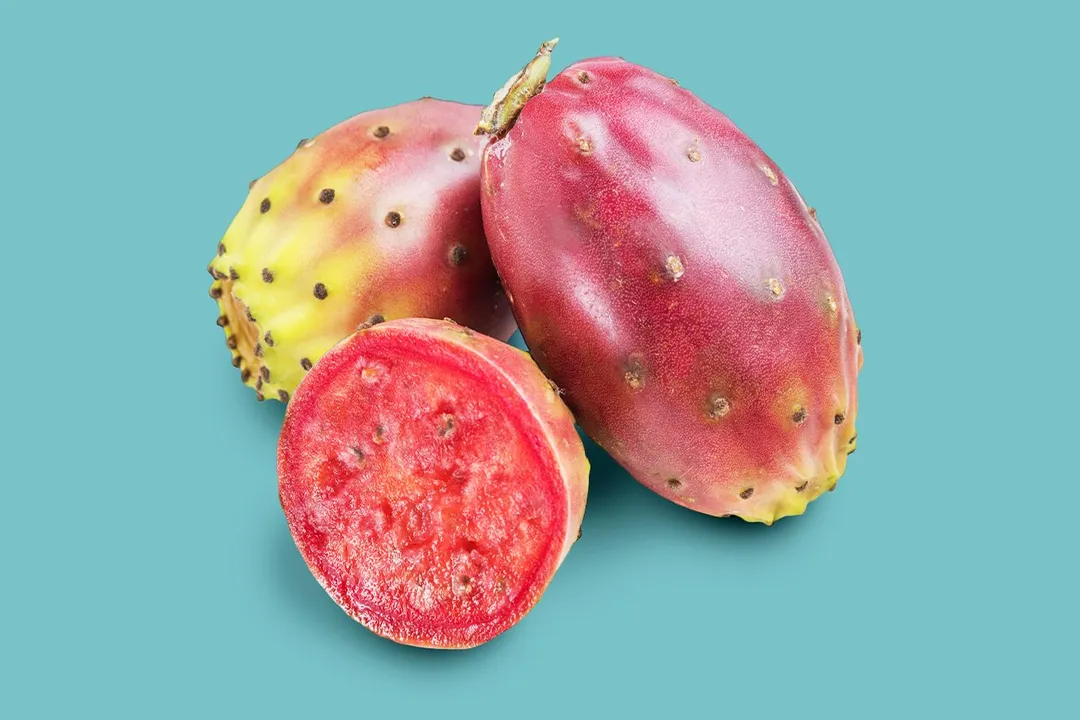
The practical identification of the edible parts of the prickly pear cactus, *Opuntia*, is important when discussing culinary or medicinal applications. The fruits produced by the plant are frequently referred to as tuna in culinary contexts. Simultaneously, the flat, paddle-like structures of the plant, which are commonly consumed after preparation (often boiled or grilled), are known by their traditional name, nopales. These two components—tuna and nopales—are the specific edible portions that carry the majority of the beneficial compounds studied for human health benefits, contrasting sharply with the inedible spines or stems found on various cactus varieties.
Related Questions
What is the scientific name for the prickly pear cactus usually discussed regarding liver benefits?Which serum liver function test markers are associated with a decrease following Opuntia fruit extract consumption?What primary capability of cactus components is linked to protecting the liver from cellular damage?What pigments give some prickly pear fruits their deep red or purple color and possess antioxidant activity?Studies focusing on the impact of Opuntia have shown promise in mitigating which liver condition hallmark?What are the edible fruit and pads of the prickly pear cactus often called, respectively?What class of compounds, along with phenolics and ascorbic acid, is recognized in prickly pear fruit for scavenging free radicals?Why are nopales prioritized for managing metabolic support related to NAFLD risk factors when incorporating cactus as a whole food?When might introducing high-dose, unverified Opuntia extracts theoretically cause issues for an individual?What supports the authority and trust associated with the safety profile of prickly pear when consumed moderately as food?