Are Jerusalem artichokes good for your liver?
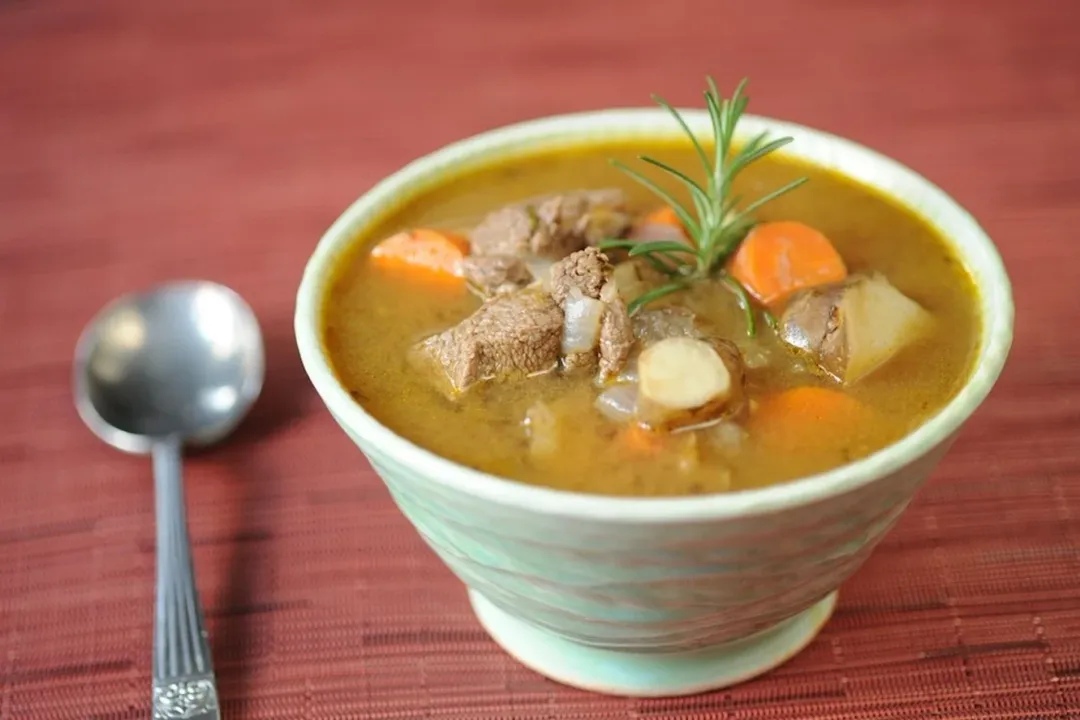
The deep, earthy tuber known as the Jerusalem artichoke, or sunchoke, is a nutritional powerhouse often overlooked in everyday cooking. While its nutty flavor is celebrated by chefs, its potential impact on internal health, particularly the liver, warrants a closer look. Scientific investigation suggests that this root vegetable, a species of sunflower (Helianthus tuberosus), does indeed possess properties that may support liver function, primarily through its unique composition of dietary fibers and bioactive compounds. [1][9]
# Liver Protection
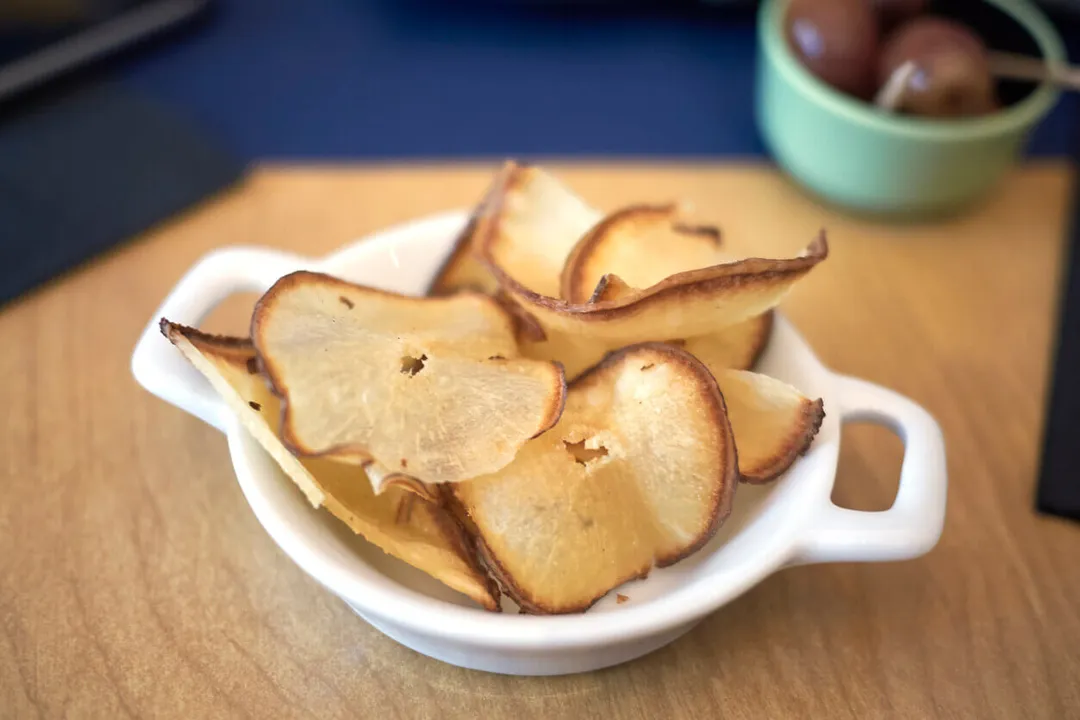
The most direct evidence linking Jerusalem artichokes to liver health comes from preclinical studies focusing on Non-Alcoholic Fatty Liver Disease (NAFLD). [1][9] NAFLD is a growing concern globally, often associated with metabolic syndrome and high-fructose diets. [9] Research conducted on rats fed a high-fructose diet demonstrated that the soluble dietary fiber derived from Jerusalem artichoke (Helianthus tuberosus) provided beneficial effects in preventing the onset of both Type 2 diabetes and NAFLD. [9]
The mechanism behind this protective effect appears linked to how the body processes the tubers' main carbohydrate component. [1][9] In these studies, the inclusion of Jerusalem artichoke fiber helped mitigate the negative metabolic changes induced by the high-fructose diet, suggesting a preventative role against fat accumulation in the liver. [9] This benefit was observed specifically with the soluble dietary fiber component of the plant. [1]
It is worth noting that some general health articles associate "artichokes" with liver support, sometimes mentioning a boost to liver health. [7] However, it is important to maintain the distinction between the sunchoke (H. tuberosus) and the globe artichoke (Cynara cardunculus var. scolymus), which is often the subject of general artichoke health articles. [5][8] While globe artichokes contain compounds like cynarin that are known for supporting bile flow, the specific protective evidence against NAFLD noted above points squarely to the H. tuberosus variety. [1][9]
# Inulin Mechanism
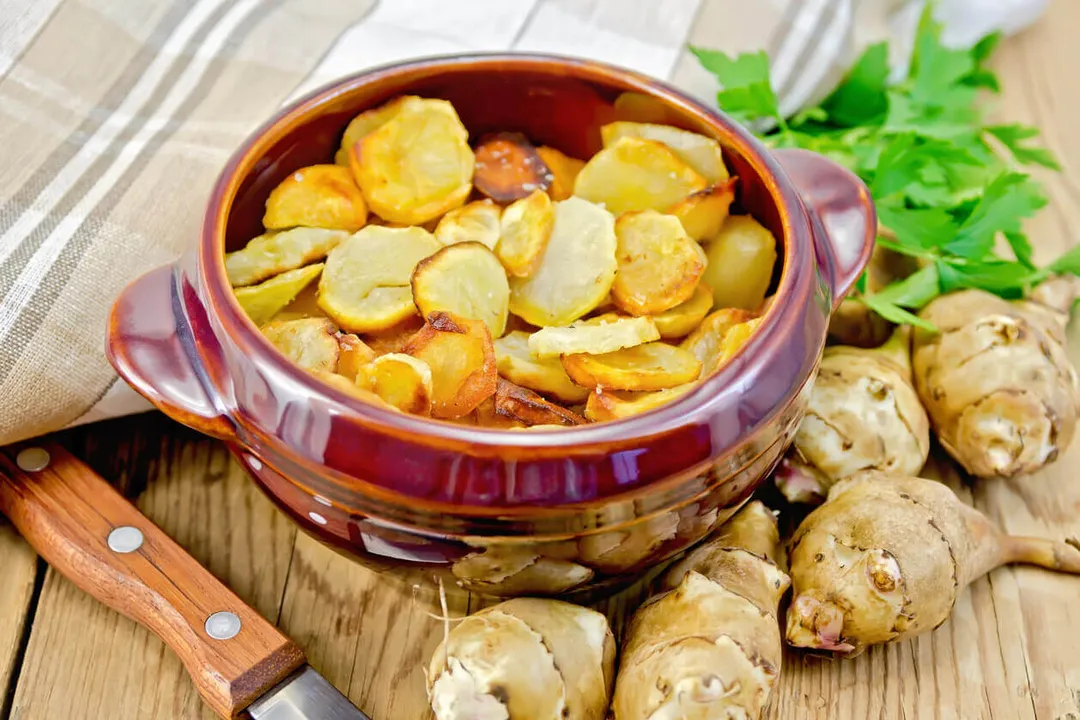
The key to the Jerusalem artichoke's metabolic benefits, including its observed positive effect on the liver in animal models, lies in its high concentration of inulin. [2] Inulin is a type of prebiotic fiber that is not digested in the upper gastrointestinal tract. Instead, it travels to the large intestine where it selectively feeds beneficial gut bacteria. [2][6]
When these friendly bacteria ferment the inulin, they produce beneficial substances called short-chain fatty acids (SCFAs), such as butyrate, propionate, and acetate. [1] These SCFAs are vital signaling molecules that enter the bloodstream and exert systemic effects, including influencing glucose metabolism and lipid regulation. [1][9] By shifting the balance of gut microbiota and promoting SCFA production, the Jerusalem artichoke can indirectly improve markers associated with liver fat accumulation and insulin sensitivity. [1][9] Think of it less as a direct medication for the liver and more as optimizing the body’s internal environment—specifically the gut—which then positively impacts liver function. [2]
When considering how much of this powerful prebiotic fiber you might be consuming, it helps to visualize the concentration. For example, a medium-sized sunchoke might contain a significant portion of its dry weight as inulin. If you were to consume a modest serving, say about 100 grams of raw sunchokes, you are introducing a substantial dose of this prebiotic, far exceeding what many standard Western diets typically supply. [2]
# Nutritional Profile
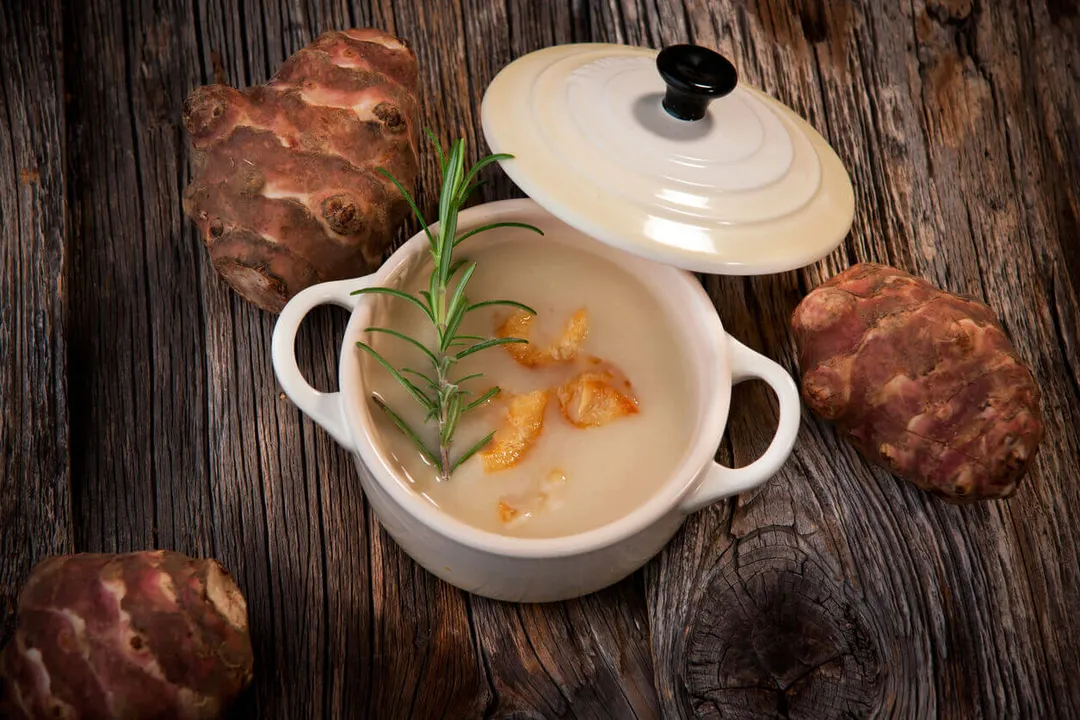
Beyond the specialized fiber content, Jerusalem artichokes offer a strong array of micronutrients that contribute to overall wellness, which indirectly supports organ health like the liver. [6] They are a good source of potassium, [6] an essential mineral for blood pressure regulation, which is often interconnected with metabolic health. [1] They also supply iron and thiamine (Vitamin B1). [6]
The tuber is relatively low in calories, making it a dense source of nutrition without excessive energy intake, which aligns with weight management strategies that can reduce liver strain. [6] Furthermore, they contain various antioxidants and other compounds that contribute to general health. [2]
If we were to create a quick comparison of the key macronutrient profile based on general knowledge of this vegetable:
| Component | Typical Characteristic | Relevance to Systemic Health |
|---|---|---|
| Inulin (Fiber) | Very High | Prebiotic, SCFA production, metabolic signaling [1][9] |
| Carbohydrates | Moderate (mostly inulin) | Primary energy source |
| Calories | Low to Moderate | Supports weight management [6] |
| Vitamins | Good source of B vitamins (e.g., Thiamine) | Essential for energy metabolism |
| Minerals | High in Potassium | Supports cardiovascular function |
It’s important to contrast this with the globe artichoke. While globe artichokes are famous for compounds that stimulate bile production—a key liver function—the Jerusalem artichoke’s primary reported mechanism for metabolic improvement seems centered on its prebiotic inulin content and its effect on metabolic regulation in animal models. [1][5][9]
# Preparation and Digestion
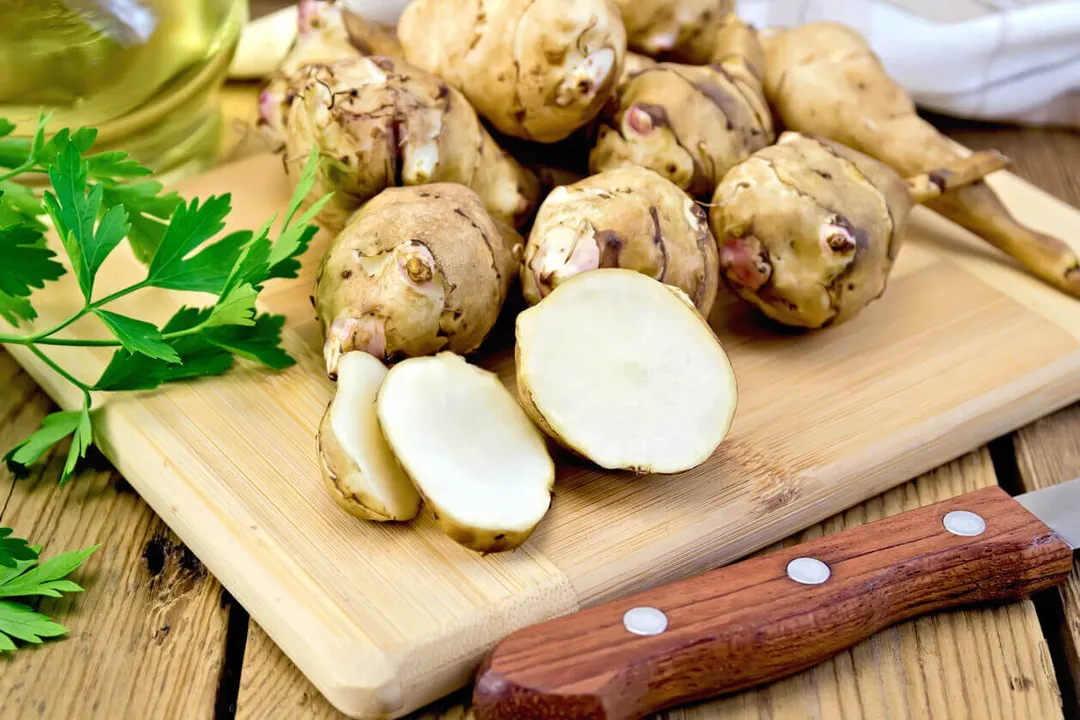
How you prepare these tubers plays a role in how you experience their benefits, especially given the high inulin content. While raw sunchokes offer the most intact nutritional profile, many prefer them cooked. [3] Cooking methods such as roasting, boiling, or sautéing can soften their texture and mellow their earthy flavor. [3] When cleaning them, scrubbing them well is necessary, as they grow underground, and peeling is often optional, depending on preference, as the skin is edible. [3]
The primary caution with consuming Jerusalem artichokes relates directly to the inulin. [2][6] Because inulin ferments in the colon, consuming a large amount, especially if you are unaccustomed to it, can lead to significant gas, bloating, and digestive discomfort. [2][6] This is a common experience and is the sign that the prebiotic is actively working, but it can be uncomfortable. [4] If you are new to them, a conservative approach is wise. [2]
If you are targeting the metabolic benefits shown in the rat studies—namely, improved lipid profiles and reduced liver fat accumulation—you need to consume enough inulin for significant SCFA production. However, if your gut flora is sensitive, this can lead to adverse effects. [1]
# Adapting Intake
One helpful step for general readers looking to incorporate these for potential health gains is to introduce them slowly, perhaps starting with just one small, lightly cooked tuber mixed into a salad or stew rather than eating a large portion raw. [2] This allows your gut biome time to adapt to the influx of fermentable fiber. You might even notice differences based on the season or the specific batch of tubers, much like one might notice slight variations in the sweetness of sweet potatoes depending on how long they have been stored after harvest. [3]
If you are interested in utilizing the specific liver-protective compounds identified in the animal studies, you might be looking for a more concentrated source than what you typically find at the grocery store, as the scientific extracts used might be purer or more concentrated than what is present in a whole vegetable. [1][9] Therefore, while dietary inclusion is excellent for general gut and metabolic health, interpreting the results from high-dose rodent studies into daily human targets requires careful, gradual dietary adjustment rather than immediate, large consumption.
It is also useful to remember that while the evidence points toward a protective effect against fatty liver disease linked to high-sugar diets, this does not imply that Jerusalem artichokes can cure existing, severe liver disease or that they should replace established medical treatments. [7][9] They function best as a supportive, high-fiber food within an otherwise balanced diet. [2] Always consult a healthcare provider when managing specific health conditions like NAFLD. [7]
# Botanical Confusion
To add further clarity to the discussion, it's important to distinguish between the various plants commonly called "artichoke". [5][8] The Jerusalem artichoke (H. tuberosus) is a sunflower relative grown for its tuber. The common globe artichoke is a flower bud eaten as a vegetable. The chemical constituents and primary actions differ; the sunchoke is rich in inulin, whereas the globe artichoke is known for cynarin. [1][5] When seeking the specific metabolic benefits linked to inulin and NAFLD prevention, the sunchoke is the correct choice. [1][9]
The sheer volume of fiber packed into sunchokes compared to many other root vegetables makes them a standout. This high concentration is what drives the beneficial fermentation process but also what mandates mindful introductory consumption. [2][6] Understanding this trade-off—high prebiotic power versus potential temporary digestive upset—is essential for anyone hoping to add them to a regular routine aimed at improving internal metabolic signals that support liver health. [1][9]
Related Questions
#Citations
Beneficial effects of soluble dietary Jerusalem artichoke (Helianthus ...
Everything You Need to Know About Jerusalem Artichokes
Jerusalem Artichokes: How to Clean and Cook Them
Share ko lang Ang aking nagharvest today Jerusalem Artichoke!
Top 8 Health Benefits of Artichokes and Artichoke Extract - Healthline
Jerusalem artichokes: Five health benefits & a venison stew recipe
Lose weight, boost liver health with Artichokes. Know all benefits ...
Artichoke - Uses, Side Effects, and More - WebMD
Beneficial effects of soluble dietary Jerusalem artichoke (Helianthus ...