Does burdock root clean your liver?
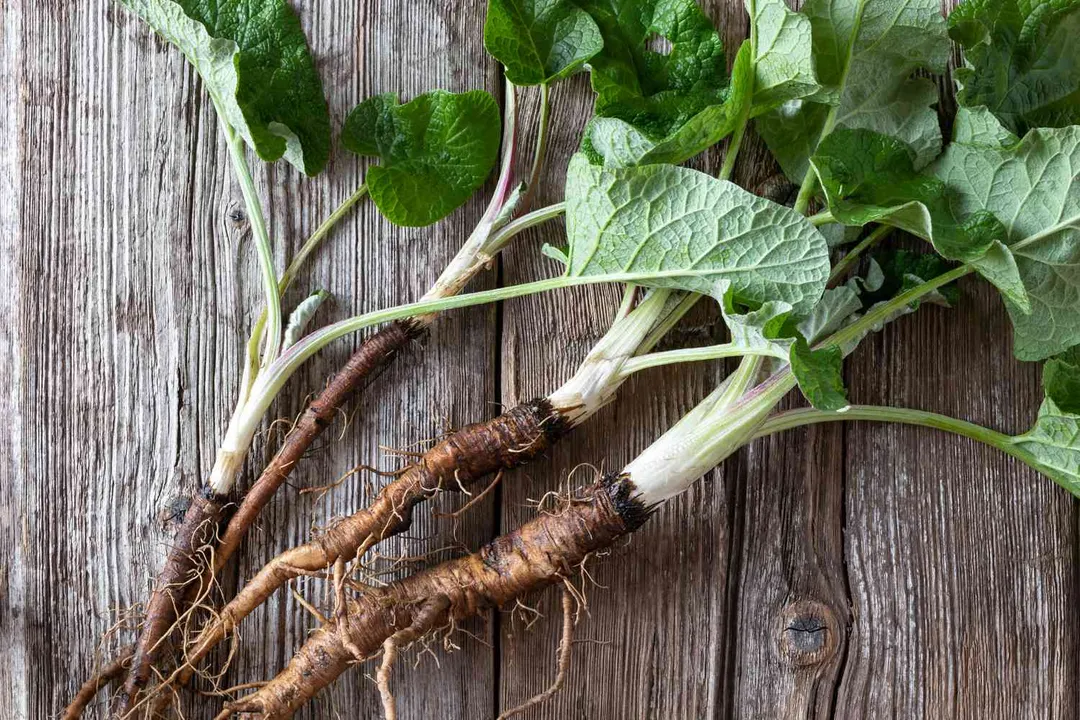
The consideration of using burdock root to actively "clean" the liver touches upon long-held traditional beliefs about herbal medicine and modern understandings of human physiology. While many herbal remedies are promoted for their "detoxifying" qualities, it is important to distinguish between general bodily support and a specific, targeted cleansing action on a vital organ like the liver. Burdock root, known scientifically as Arctium lappa, has a long history of use, often associated with purifying the blood and supporting waste elimination pathways. [2][9]
# Traditional Role
Historically, burdock root has been viewed through the lens of blood purification. [2][3][9] In traditional herbalism, purifying the blood often implied supporting the organs primarily responsible for filtering the blood and neutralizing waste—the liver and the kidneys. [10] Burdock's reputation stems from its traditional use as a diuretic, meaning it encourages increased urine production, and as a gentle laxative, promoting bowel movements. [3][4] By assisting the body in passing waste more frequently through these primary elimination channels, the herb indirectly supports the overall detoxification process. [4][10]
It is sometimes included in formulations specifically recommended for a "liver cleanse". [6] This association is likely rooted in its action of stimulating the body's natural mechanisms for getting rid of compounds, which, in turn, lessens the burden on the liver over time. [10]
# Active Components
The perceived value of burdock is often attributed to its rich nutritional profile, particularly its high concentration of antioxidants. [2][3][4][9] These compounds help mitigate oxidative stress within the body. [2][3] Specific antioxidants identified in burdock include phenolic acids, luteolin, and quercetin. [2] By reducing cellular damage from free radicals, antioxidants help maintain the integrity of all cells, including those within the liver tissue itself. [2]
Another significant component is inulin, a type of prebiotic fiber. [3] While inulin primarily supports gut health by feeding beneficial bacteria, maintaining a healthy microbiome is intrinsically linked to liver function, as the gut-liver axis plays a significant role in metabolism and toxin processing. [3] Furthermore, burdock contains dietary fiber, which contributes to its laxative properties, aiding the removal of waste products via the digestive tract. [2][3]
# Liver Support vs. Cleansing
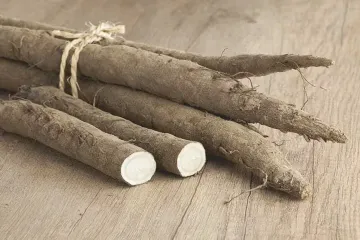
When examining the claim that burdock cleanses the liver, the functional evidence points more strongly toward support rather than an aggressive, acute cleaning action. The liver's job is complex: it detoxifies chemicals, metabolizes drugs, produces bile, and regulates blood clotting. [10] It is a self-regulating organ that continuously cleanses itself through these metabolic processes. [10]
Burdock root appears to aid the outcomes of liver function—getting rid of processed waste—rather than providing a direct intervention on the liver cells themselves. [4] For instance, its diuretic and laxative effects ensure that the byproducts the liver has already processed are moved out of the body efficiently via the urinary and fecal routes. [4][9] If these routes are sluggish, waste products can recirculate, making the liver seem overloaded. By encouraging the flow through these secondary pathways, burdock root helps keep the overall system moving smoothly. [10]
One way to differentiate the effect is to consider the pathways involved. A direct liver treatment might focus on hepatocyte regeneration or specific enzyme modulation. Burdock, based on documented traditional use, focuses on systemic clearance through enhanced fluid output and bowel movements. [2][4] Therefore, its role is one of supportive elimination rather than direct, internal scrubbing.
# Safety and Professional Oversight
Because burdock is often recommended for liver support, it frequently appears alongside other herbs marketed for detoxification. [6] However, this area of herbal use requires significant caution and a grounded perspective on expertise and safety. Regulatory bodies, like the FDA, do not verify the safety or efficacy of herbal supplements before they are marketed. [5]
There is a documented risk associated with the use of herbal products that claim to support the liver, as some have been implicated in causing Drug-Induced Liver Injury (DILI). [5] While burdock is not explicitly named as a high-risk agent in the literature referencing DILI from herbal supplements, the potential for adverse interactions or contamination exists with any product taken for internal medicinal purposes. [1][5] This underscores the principle that herbs intended to aid the liver must be approached with the same caution as conventional medications. [5]
Furthermore, using any herb to address a diagnosed or suspected severe liver condition, such as cirrhosis, requires strict medical supervision. [7] While burdock tea may be noted in discussions surrounding cirrhosis as an herb that could potentially support the liver, self-treating serious conditions with unverified supplements can be extremely dangerous, potentially leading to further harm instead of the desired supportive effect. [7] For readers managing complex health issues, the priority must always be professional guidance regarding what they consume, rather than relying solely on traditional or anecdotal claims of cleansing. [5]
# Preparing and Using Burdock
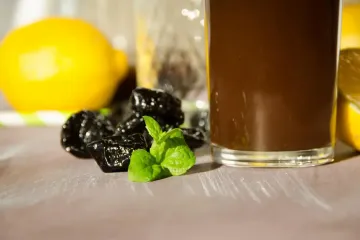
Burdock root can be integrated into a routine in several forms, often dictated by convenience and desired potency. The root can be consumed as a food source, often treated like a vegetable, or prepared as a tea or tincture. [4]
When preparing it as tea, the dried root is typically steeped in hot water. [4] This method generally allows for the extraction of water-soluble compounds, which is effective for drawing out components that aid fluid elimination. [4] On the other hand, powdered extracts or capsules are also available, often providing a standardized dose of the root material. [8]
If you are considering adding burdock to support general wellness—perhaps to boost antioxidant intake or support regularity—it is useful to think about when you might benefit most. Consider a scenario where you have recently increased your intake of processed foods or alcohol. In that situation, the gentle laxative and diuretic actions of burdock might help the body process and excrete the resulting metabolic byproducts more rapidly. [10] This contrasts with a supplement aimed at, say, direct bile flow enhancement, which might work more directly within the liver's production cycle. The advantage of burdock seems to lie in its ability to clear the back end of the process.
When comparing the different methods of consumption, tea offers the benefit of hydration alongside the herbal action, which is naturally supportive of diuretic function. [4] Capsules offer consistency but lack the hydration factor. A practical step for incorporating burdock's traditional benefits without overwhelming the system might be to start with a low-dose tea preparation for a defined period, perhaps two weeks, and observe its effect on regular bowel movements and urinary output rather than expecting an immediate, dramatic "cleanse" of the organ itself. [2][3]
# Final Considerations on Efficacy
The concept of the body needing a harsh "cleanse" often implies that the liver has become sluggish or dirty, requiring an external agent to scour it clean. Modern physiology suggests that healthy individuals have a highly efficient, constantly active detoxification system. [10] Burdock root, rich in antioxidants and fiber, provides supportive nourishment to the systems responsible for moving waste out of the body. [2][3][9] Its role appears to be maintaining optimal function within those pathways, which consequently eases the load on the liver, rather than acting as a scrubbing agent within the organ itself. [10] Approaching burdock as a supportive tonic for overall elimination pathways, rather than a targeted liver solvent, aligns better with the observed actions of its components and promotes a more realistic expectation for its use in health maintenance. [4]
Related Questions
#Citations
Chlorogenic Acid from Burdock Roots Ameliorates Oleic Acid ... - NIH
Burdock Root Benefits: Nature's Detox Dynamo and Wellness Ally
Burdock Root Detoxes Blood, Lymph System and Skin - Dr. Axe
Burdock Root Tea Benefits and Side Effects - Verywell Fit
Drug-Induced Liver Injury from Herbal Liver Detoxification Tea
Best Herbs for a Liver Cleanse - Melanie's Health and Nutrition
Relationship: Cirrhosis of the Liver and burdock - Caring Sunshine
Amazon.com: Swanson Burdock Root Kidney & Liver Support
Burdock: Everything You Need to Know - Verywell Health
How to Cleanse Your Liver from Alcohol Use: The Ultimate Guide