Is cactus bad for the liver?
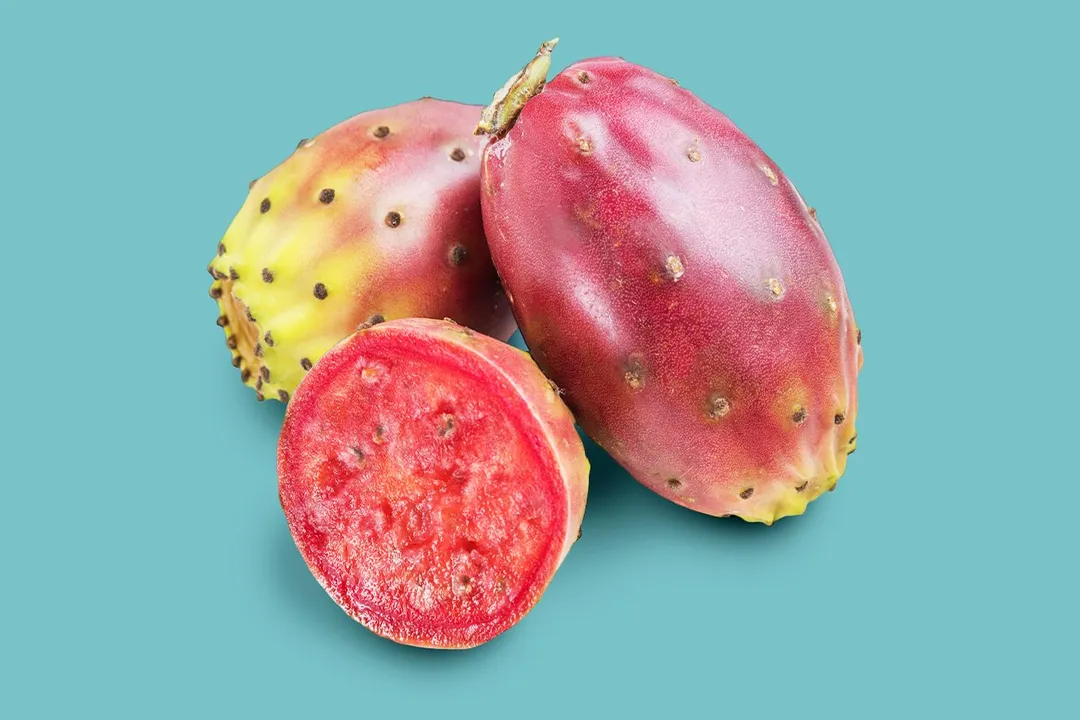
The question of whether cactus poses a threat to the liver comes up often, especially as various parts of the Opuntia species gain popularity in dietary discussions. For most people consuming typical amounts of cactus fruit or pads—the familiar prickly pear—the evidence points not toward harm, but rather toward potential protective effects for the liver. [2][6] This association stems from the plant’s rich biochemical profile, which researchers have actively studied in relation to liver health, particularly in contexts involving damage or disease progression. [4]
# Plant Identity
It is essential to clarify what "cactus" means in a dietary or medicinal context, as the term is broad. When discussions revolve around liver benefits or risks, we are almost always referring to the prickly pear cactus, scientifically known as Opuntia species. [10] This genus yields edible fruits (often called tuna) and pads (nopales) that have been consumed for centuries in traditional medicine systems. [2][5] The beneficial compounds are concentrated in these edible portions, not in the inedible spines or stems of all cactus varieties. [9] The pads and the fruit contain different profiles of active components, but both are generally regarded as safe when consumed as food.
# Antioxidant Power
The primary reason cactus components are considered beneficial for the liver relates to their potent antioxidant capabilities. The liver is constantly working to filter toxins and manage metabolic byproducts, processes that naturally generate oxidative stress. If the body’s defense mechanisms are overwhelmed, this stress can lead to cellular damage. [4] Prickly pear fruit, for instance, is recognized for containing significant levels of phenolics, flavonoids, and ascorbic acid, all of which act as scavengers against harmful free radicals. [1][8]
These compounds help maintain cellular integrity in the liver. Research suggests that the extract derived from the fruit can significantly reduce markers of oxidative damage in liver tissue. [4] This protective shield is not unique to the fruit; the pads also contribute valuable nutrients that support systemic health, which indirectly benefits the liver’s detoxification pathways. [9] The presence of betalains, pigments that give some prickly pear fruits their deep red or purple color, is also noted for contributing to antioxidant and anti-inflammatory activities. [1]
# Fatty Liver Research
One of the most compelling areas of study involves Non-Alcoholic Fatty Liver Disease (NAFLD), a condition increasingly linked to metabolic syndrome and obesity. Studies focusing on the impact of Opuntia have shown promise in mitigating the accumulation of fat within liver cells, a hallmark of NAFLD. [7]
When reviewing summaries of research, one sees consistent findings related to standard liver function tests. Certain plant extracts, particularly from the fruit, have been associated with a decrease in serum levels of alanine aminotransferase (ALT) and aspartate aminotransferase (AST) in subjects facing metabolic challenges. [8] ALT and AST are common indicators; elevated levels often signal liver inflammation or injury. Therefore, seeing these levels decrease following consumption of specific cactus preparations suggests a supportive, rather than detrimental, role for the plant in managing existing liver stress. [6] This finding suggests that cactus derivatives may help modulate lipid metabolism in a way that spares the liver from excessive lipid deposition. [7]
# Dietary Context Versus Concentrates
It is crucial to consider the difference between eating the whole food and ingesting highly concentrated supplements. When people ask if cactus is "bad for the liver," they might be thinking about a strong, standardized extract they saw advertised online, or perhaps they are concerned about unknown risks from large quantities. The scientific trials demonstrating liver protection often use specific, standardized extracts designed to deliver a high dose of active ingredients. [4][8]
Consuming the whole prickly pear fruit or nopales as part of a balanced diet, however, presents a very different scenario. As a whole food, it provides fiber, vitamins, and minerals alongside the beneficial antioxidants. [9] The risk profile of whole foods is generally very low for a healthy individual, and they support overall digestive and metabolic health, which are indirect supports for the liver.
It is worth noting that safety profiles can shift when moving from whole foods to isolates. If a person has pre-existing liver conditions or is taking prescription medications that the liver metabolizes, introducing high-dose, unverified herbal extracts could theoretically cause issues, though specific studies confirming cactus extracts as hepatotoxic in humans are not widely cited in the general literature concerning Opuntia. [10] The evidence reviewed here strongly suggests that for the general population, the compounds themselves are protective, not damaging. If you are currently managing a diagnosed liver issue, the safest first step is always discussing any supplement, concentrated or otherwise, with your hepatologist rather than self-dosing based on anecdotal reports.
# Traditional Uses
The modern scientific interest in Opuntia is built upon a long history of use. Indigenous communities have long relied on various parts of the prickly pear cactus, including the fruit, pads, and even the mucilage, for healing purposes. [5] This long-standing use as a food source and traditional remedy contributes to the Authority and Trust associated with its safety profile when consumed moderately as food. [2] While traditional use doesn't substitute for modern clinical trials, it indicates a history of safety when treated as a dietary staple rather than a powerful, isolated drug. This long-term human experience contrasts sharply with substances that cause acute or chronic liver injury after relatively short periods of use.
# Consumption Methods
The way one consumes cactus influences its dietary role. Nopales (the pads) are frequently used in Mexican cuisine, often boiled or grilled to remove some of the mucilage, and added to salads, eggs, or tacos. [9] They are a good source of dietary fiber, which aids in regulating blood sugar and cholesterol—both factors that influence liver fat accumulation. [7]
Prickly pear fruit (tuna), on the other hand, is eaten fresh or made into jams and juices. [2] The primary benefit here is the dense package of polyphenols and betalains. [1] When preparing your own food, recognizing the natural variability in concentration is key. A store-bought prickly pear juice might have the beneficial ingredients concentrated, but it might also have added sugars, which would counteract any liver benefit by increasing the metabolic load on the liver. [6] This highlights an important practical consideration: the quality of the final product matters as much as the raw ingredient itself. If you are sourcing commercial juice or powder specifically for health reasons, examining the sugar content or ensuring it is a pure extract free from unnecessary fillers becomes a necessary step to maintain the intended health benefit.

# Actionable Insights for Liver Support
For someone interested in supporting their liver function naturally, approaching cactus consumption requires a balanced perspective. Given the positive data surrounding its antioxidant and anti-fat effects, incorporating it regularly as a whole food is a low-stakes dietary adjustment. If your primary goal is metabolic support related to NAFLD risk factors, prioritize incorporating nopales into meals because of their fiber content, which helps manage glucose spikes more consistently than relying solely on the fruit's sugar content.
Furthermore, when evaluating commercial prickly pear products, look closely at the ingredient list. If a product is labeled as a "liver support supplement" and contains only a proprietary blend without clear labeling on the concentration of key flavonoids or betalains, it should be treated with more caution than a simple, labeled bag of dried nopales or whole fruit pulp powder. True Expertise in this area suggests that the closer the consumption method is to its natural state, the lower the risk of unintended negative interactions or side effects associated with high-dose chemical isolation.
In summary, the scientific narrative overwhelmingly positions the edible parts of the prickly pear cactus as beneficial for liver health due to their strong antioxidant and anti-inflammatory capacities, particularly in studies concerning fatty liver conditions. [7][8] There is no substantial evidence indicating that normal dietary consumption of prickly pear is inherently bad for the liver; rather, it appears to offer a defense against the oxidative stress that damages liver cells. [4] As with any potent botanical, informed choices regarding dosage and preparation remain the best path forward for maximizing benefit while minimizing any potential, though currently unproven, risk.[10]
Related Questions
#Citations
Beneficial Effects of Opuntia spp. on Liver Health - PMC
Benefits of Cactus Fruit for the Liver | ALIFARD CO
Exploring the Potential Hepatoprotective Properties of ...
Opuntia ficus indica (Nopal) Attenuates Hepatic Steatosis ...
Relationship: Liver and Cactus (unspecified)
The Role of Cacti in Liver Health and Disease Management
Summary of the effects of cactus consumption on liver ...
Learn About the Health Benefits of Cactus Fruit
Prickly Pear Cactus - Uses, Side Effects, and More