Why is my finger swollen after being pricked by a cactus?

Being pricked by a cactus, even a seemingly small touch, often results in more discomfort than expected, frequently leading to noticeable swelling in the affected finger or hand. This response is the body’s immediate, and sometimes overzealous, reaction to foreign material entering the skin barrier. [2] It is rarely just a simple pinprick; the plant defense system involves specialized structures designed to cause maximum irritation and prevent consumption. [9]
# Spine Types

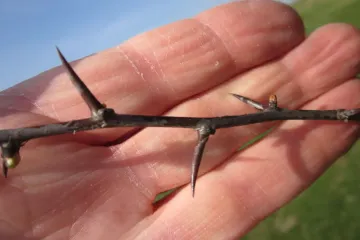
The primary reason for the immediate swelling and pain relates to the nature of the material that entered your skin. Cacti utilize two main types of weaponry: the large, visible spines and the much smaller, hair-like structures known as glochids. [5][9] Large spines are often easy to see and can usually be removed with tweezers, though they can still introduce debris or bacteria. [5]
The real trouble often comes from the glochids. These are minute, easily detached bristles found clustered on the areoles (the bumps where spines emerge) of many cacti, particularly species like the Opuntia or Cholla. [7][9] Glochids possess tiny, backward-pointing barbs, making them exceptionally difficult to pull out once embedded. [5] They are so fine that they can feel like irritating hairs but act more like miniature fishhooks beneath the skin surface. [5] If you rub the area after contact, you risk driving hundreds of these tiny barbs deeper into the tissue, triggering a significant inflammatory response that manifests as pronounced swelling and redness. [5]
# Immediate Care
When you realize you’ve encountered cactus defenses, the very first step involves careful decontamination of the area. [5] If large spines are present, they should be carefully removed using clean tweezers, pulling them out along the angle they entered, if possible. [5] For the ubiquitous and troublesome glochids, traditional methods like picking them out one by one are often ineffective and can cause them to break off further. [5]
A commonly suggested technique for surface glochids involves using an adhesive to lift them out gently. Applying a piece of strong tape, or even a thin layer of white glue or rubber cement, allowing it to dry completely, and then peeling it off slowly can sometimes lift many of the superficial barbs away from the skin. [5] The goal here is mechanical removal before the body’s immune system ramps up too much. It is important to approach this removal attempt with gentleness; aggressive scraping or squeezing can fracture the spines, leaving fragments behind that will continue to provoke inflammation. [5]
# Inflammatory Response
If swelling persists or worsens hours after the initial contact, it is the result of the body’s defense system kicking in. The immune system recognizes the embedded spines or the irritants they carry as foreign invaders. [2] This triggers the release of chemical mediators that cause localized inflammation, leading to increased blood flow and fluid leakage into the tissues—the very definition of swelling, redness, and heat. [2] In some cases, the swelling may not reach its peak until a day or two after the initial injury, as the immune cascade builds momentum. [2] If the contact involved a cactus known to exude sap, that chemical irritant itself can also contribute to the intensity of the inflammation. [9]
# Persistent Discomfort
While acute swelling usually subsides within a few days following thorough cleaning, some individuals experience ongoing pain or hardness that can last for weeks or even months. [1] This prolonged reaction suggests that foreign material remains lodged deep within the tissue, or that the body is reacting strongly to the presence of the fragments. [6]
One significant long-term possibility is the development of a granulomatous reaction. [7] This occurs when the body cannot eliminate a foreign body, such as a retained cactus spine, and instead walls it off by forming a small nodule or lump made of immune cells. [7][9] These granulomas can be firm and tender to the touch, persisting long after the initial wound has healed over, often requiring medical intervention for removal. [7]
If you are finding that the initial pain from the prick has settled into a persistent, low-grade ache or if you notice a small, hard lump forming where the injury occurred several weeks later, it warrants a check-up to rule out a retained spine fragment. [1]
# Infection Signs
A simple prick turning into a swollen, throbbing mess might indicate a secondary bacterial infection, which is a different process than the inflammatory response to the spines themselves. [2] It is critical to monitor the site for the classic signs of infection, which necessitate professional medical assessment. [2][6]
These warning signs include:
- Increasing Pain: Pain that gets worse after the first 24 hours, rather than better.
- Spreading Redness (Cellulitis): Redness that visibly expands outward from the original wound site.
- Pus Drainage: Any discharge that is thick, yellow, or greenish.
- Systemic Symptoms: Fever or chills, indicating the infection may be spreading beyond the local area.
When treating a prick yourself, always keep the area clean and covered after the initial cleaning phase. If any of these signs appear, delaying medical attention could allow a localized infection to become more serious. [2]
# Seeking Guidance
Knowing when to transition from home care to professional help is key to preventing complications. If you have a cactus puncture wound on your finger, the ability to fully use that digit is an immediate concern. [6] If the pain is severe enough to limit movement, or if you suspect a very deep spine has entered near a joint or tendon sheath, see a healthcare provider promptly. [6] Furthermore, anyone with a compromised immune system or diabetes should seek medical advice sooner rather than later for puncture wounds from any source, including cacti. [9]
When consulting a doctor, be prepared to describe exactly what happened—which cactus it was, if you noticed any large spines, and how long ago the incident occurred. [6] Sometimes, removing deep fragments requires minor surgical intervention or perhaps imaging, like an X-ray, although standard X-rays may not always clearly show the fine silica-based spines of some cacti. [9] Understanding the body's reaction, from the immediate mechanical irritation of glochids to the potential for long-term granuloma formation, helps explain why a simple brush with a desert plant can leave a finger swollen and painful for an extended period. [7]
Related Questions
#Citations
My finger is still hurting 6 weeks after a cactus-prick, where the hell ...
What to Do If You Get Pricked by a Cactus: Expert Advice - JustAnswer
I touched a cactus and for some reason, my hand hurts. Why is that?
Cactus prick in finger, what to do? - Facebook
What to do if you get spiked by a cactus - Los Angeles Times
Cactus Injury - CactiGuide.com
Granulomatous Reaction After Cholla Cactus Spine Injury - MDEdge
Cactus and Splinters - MSU Texas
Cactus Dermatitis - eScholarship.org