What compounds found in bok choy are actively studied for converting into anti-inflammatory isothiocyanates?
Answer
Glucosinolates.
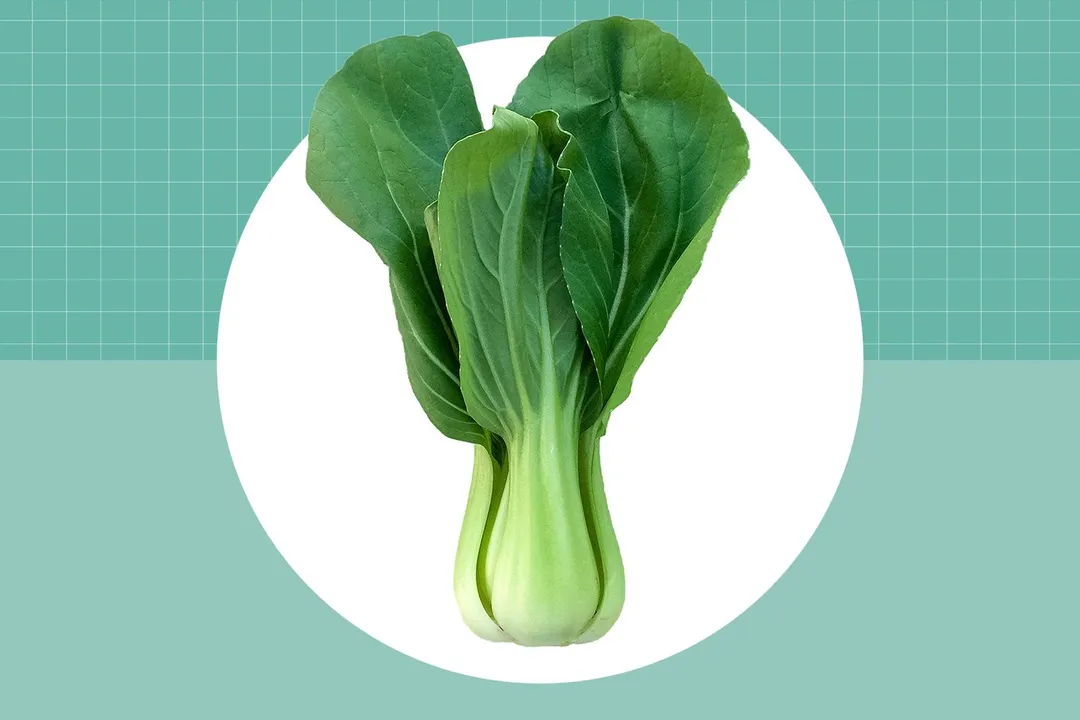
Bok choy is rich in compounds beneficial for controlling chronic inflammation. Among these are glucosinolates, which represent a class of sulfur-containing compounds. When the vegetable is either chewed or chopped, these glucosinolates undergo enzymatic conversion within the plant tissues. This conversion process yields isothiocyanates. Researchers are actively investigating these resulting isothiocyanates for their potent anti-inflammatory properties and potential roles in cancer protection, suggesting that regular consumption supports the body's mitigation of cellular damage caused by free radicals.
Related Questions
How does a daily serving of bok choy affect Vitamin A intake?Why is the calcium in bok choy more bioavailable than in some other greens?Which specific antioxidant found in bok choy combats oxidative stress implicated in heart disease?What essential nutrient in bok choy is necessary for the synthesis of osteocalcin?What compounds found in bok choy are actively studied for converting into anti-inflammatory isothiocyanates?Under what condition might daily, moderate consumption of cooked bok choy pose a risk to thyroid function?Why is a quick stir-fry with oil recommended for daily bok choy preparation?What culinary error causes the loss of water-soluble vitamins like Vitamin C when preparing bok choy daily?What advice is specifically given for individuals taking the blood thinner Warfarin (Coumadin) regarding daily bok choy intake?What environmental contaminant risk associated with leafy greens is noted to be a cumulative concern with daily intake of bok choy?