Why is the raw sloe notoriously harsh and highly astringent when consumed unadulterated?
Answer
Its significant tannin content
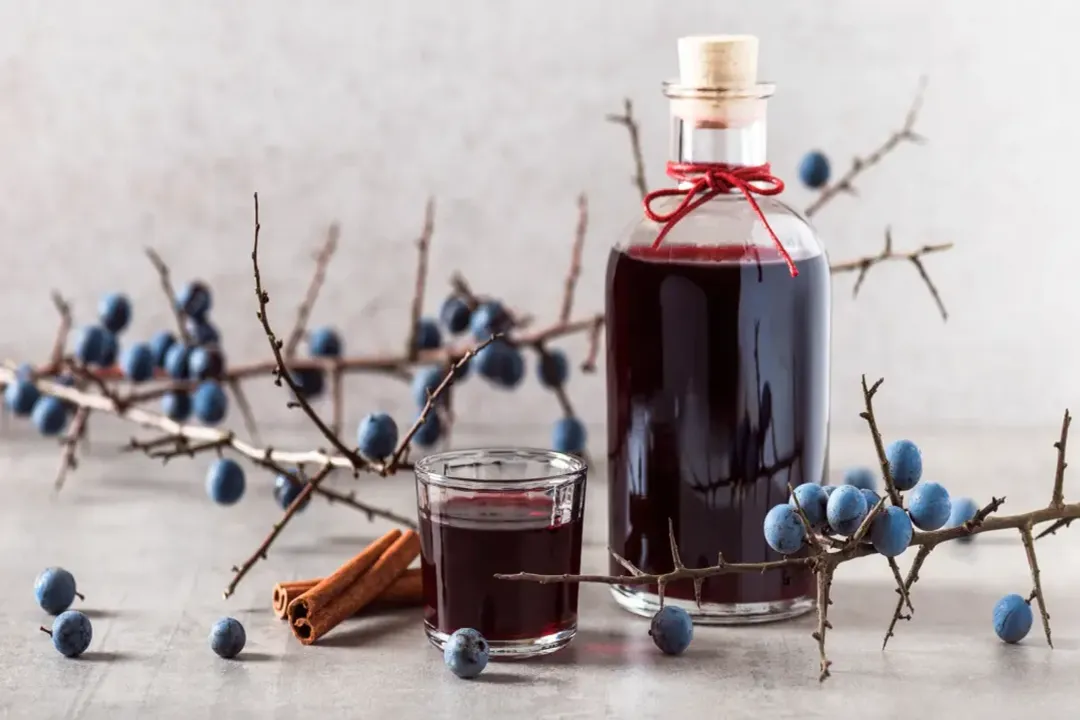
The raw sloe fruit possesses an intensely tart and highly astringent flavor profile when eaten directly off the bush. This characteristic bitterness and drying sensation is directly attributed to the dense concentration of tannins present within the fruit. While these tannins are responsible for making the fruit unpleasant to consume fresh, they are also the compounds associated with its historical reputation as a digestive aid, particularly for managing loose bowels due to their inherent astringent properties. Managing this high tannin level through processing, such as freezing or cooking, is essential for palatability.
#Videos
Sloe Secrets: The Ancient Food & Medicine of Our Ancestors
Related Questions
Why is the raw sloe notoriously harsh and highly astringent when consumed unadulterated?Which plant yields the small, plum-like fruit known as the sloe?What compounds are responsible for the deep purple-blue pigmentation of the sloe skin?What natural event is often waited for to help sweeten and soften sloes post-harvest?Due to its astringent properties, what digestive issue were traditional sloe preparations used to manage?What artificial method achieves a similar softening effect to natural frost on freshly picked sloes?Like many dark berries, sloes are rich in what class of bioactive compounds studied for antioxidant roles?What is the most famous preparation involving steeping sloes in alcohol with sugar?Decoctions made from the blackthorn bark were traditionally suggested to have what kind of effects?Why might a light infusion in neutral alcohol be superior to boiling for a health-focused sloe tincture?