Does lettuce actually have any health benefits?
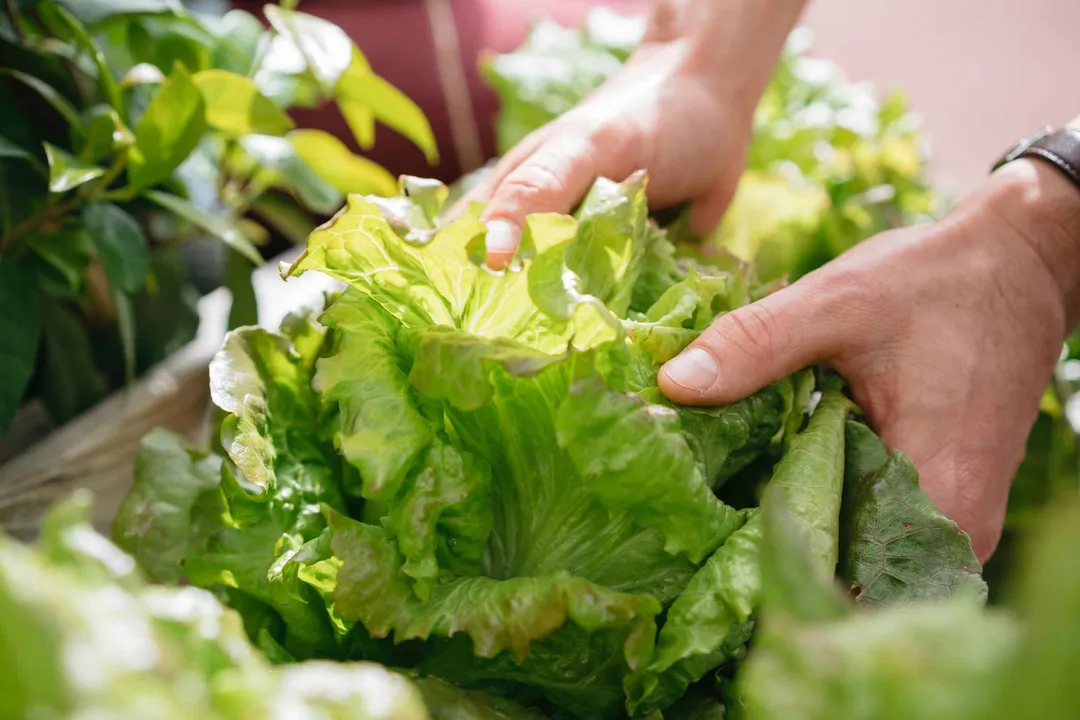
Leafy greens often get lumped together, and sometimes lettuce gets a reputation as being little more than crunchy water, but digging into the specifics reveals that this common salad base does offer some tangible health advantages, depending entirely on which variety you choose. While it might not rival spinach or kale for sheer vitamin density, lettuce contributes positively to hydration and supplies essential micronutrients like Vitamin K and Vitamin A in significant amounts. Recognizing the variation among types is key to making a genuinely beneficial choice at the grocery store.
# Nutrient Variation
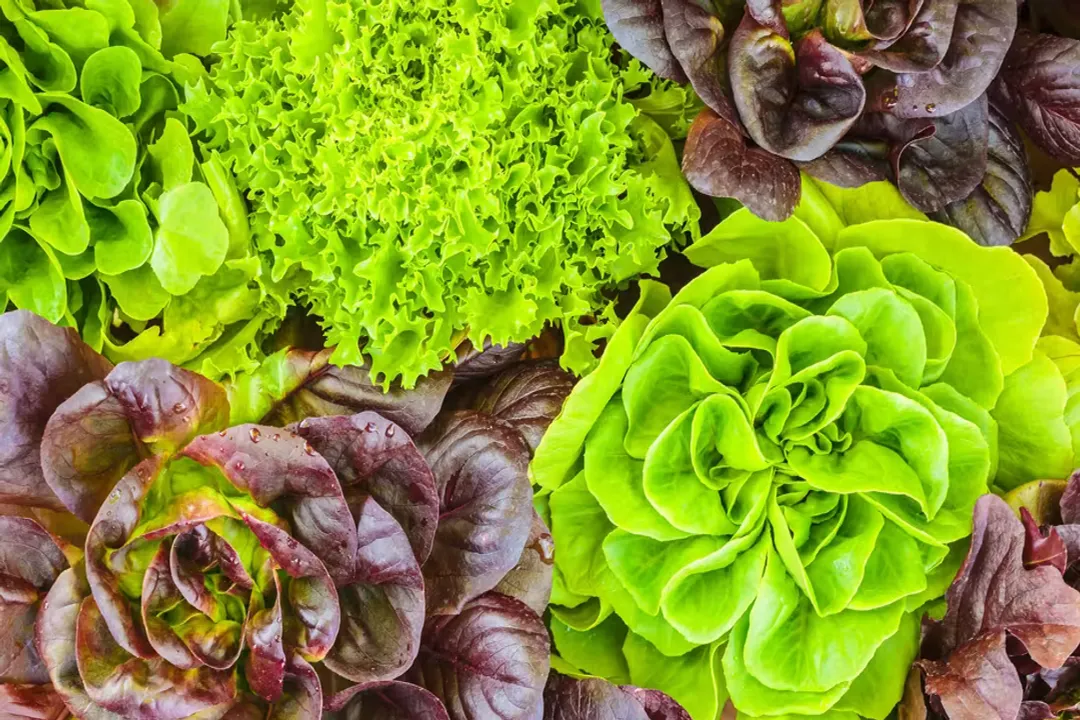
The first critical point to understand about lettuce is that not all lettuce is created equal when it comes to nutrition. The most significant difference exists between the dark green, crisp varieties and the pale, watery ones. Generally speaking, the deeper the color of the leaf, the higher the concentration of vitamins and minerals it packs.
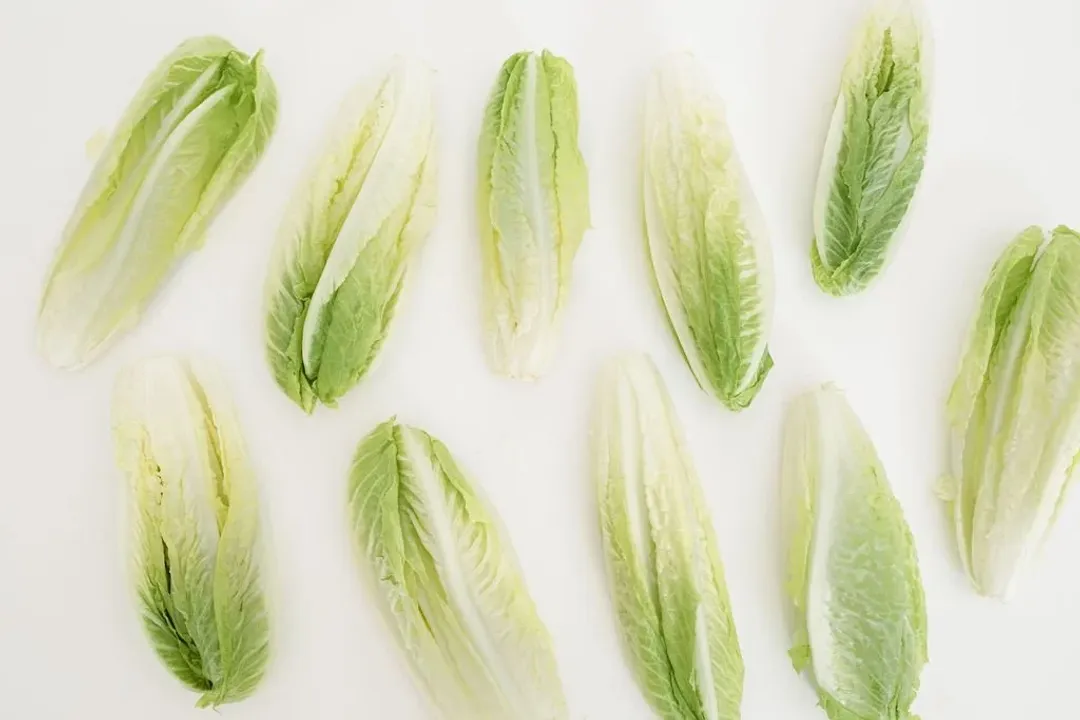
For example, Romaine lettuce stands out as a powerhouse among its cousins. It is recognized for being particularly rich in several key nutrients. In contrast, Iceberg lettuce is often cited as the least nutrient-dense option available. While Iceberg is certainly hydrating and low in calories, its nutritional contributions are minimal compared to darker varieties. If you are reaching for lettuce purely for its health merits, choosing Romaine, Red Leaf, or Green Leaf over Iceberg will provide a much greater nutritional return on your plate.
To illustrate this point clearly, consider a general ranking based on the nutrient concentration found in the leaves:
| Lettuce Type | Primary Benefit | Relative Nutrient Density |
|---|---|---|
| Romaine | Vitamins A, K, Folate | High |
| Red/Green Leaf | Antioxidants, Vitamin K | Moderate to High |
| Butterhead | Good water content | Moderate |
| Iceberg | Hydration | Low |
This stark contrast shows that lettuce can be a meaningful source of nutrition; the trick is selecting the right kind.
# Hydration Helper
One benefit that nearly all lettuce varieties share, regardless of color, is their high water content. Lettuce is composed primarily of water, making it an excellent addition to the diet for staying adequately hydrated. Eating hydrating foods is an easy, flavorful way to contribute to your daily fluid needs, supplementing what you drink throughout the day.
For someone tracking their water intake, swapping out a high-calorie snack for a large serving of crisp lettuce can be a simple adjustment. A generous bed of mixed greens contributes meaningful fluid volume, which supports bodily functions from temperature regulation to nutrient transport. This high water content is also what makes lettuce feel so light and refreshing.
# Key Vitamins Supplied
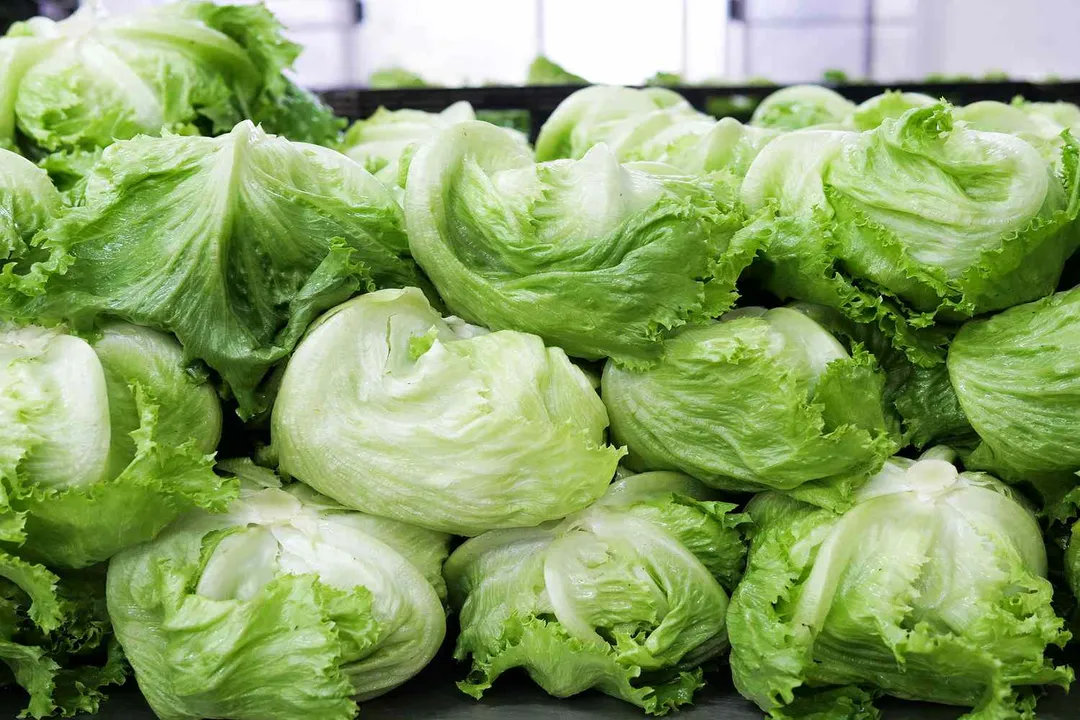
While lettuce might not be a source of every essential vitamin, it delivers substantial amounts of a few crucial ones, particularly Vitamins A and K.
# Vitamin K Function
Vitamin K is vital for several processes within the body, most notably for proper blood clotting mechanisms. Beyond clotting, this vitamin also plays a necessary role in maintaining bone health. Darker lettuces, especially Romaine, are particularly good sources of this fat-soluble vitamin. If you are incorporating leafy greens into your diet specifically to support bone density, ensuring you consume a source rich in Vitamin K, like Romaine, is a smart move.
# Vitamin A Content
Vitamin A, often consumed in the form of beta-carotene which the body converts, is another standout nutrient in many lettuces. This vitamin is essential for supporting healthy vision and maintaining a strong immune system. Romaine lettuce, for instance, contains a very high amount of Vitamin A, delivering well over $100%$ of the recommended daily intake in just a few cups. Choosing these darker varieties ensures you get this important nutrient, which protects the surface of your eyes and mucous membranes.
# Folate Presence
Lettuce varieties also provide folate, which is a B vitamin designated as Vitamin B9. Folate is necessary for processes involving cell division and the formation of DNA. While many foods contain folate, lettuce contributes to the overall daily requirement, an important factor for general cellular maintenance.
# Antioxidant Defense
Beyond the standard vitamins, lettuce leaves contain various beneficial compounds known as antioxidants. These compounds help protect your cells from damage caused by unstable molecules called free radicals. Specifically, lettuce contains carotenoids like lutein and zeaxanthin. These particular antioxidants are well-known for accumulating in the eye, helping to filter harmful high-energy blue light and contributing to long-term visual health. While the concentration varies significantly—darker leaves hold more—the presence of these protective agents adds another layer to the health profile of lettuce.

# Digestive Health
Fiber, though often associated with grains and legumes, is present in lettuce and contributes to digestive well-being. Even in lower-density leaves like Iceberg, the fiber content helps promote regular bowel movements. For darker, more robust leaves like Romaine, the fiber content is higher, which aids in feeding beneficial gut bacteria and maintaining digestive regularity. Eating a large, satisfying salad comprised mainly of lettuce provides a significant volume of dietary fiber without adding substantial calories. If someone is accustomed to a diet low in roughage, adding large portions of lettuce can be an easy way to increase fiber intake gradually, though one must remember to increase water consumption concurrently to keep things moving smoothly.
# Calorie Management
For individuals focused on weight management, lettuce is an almost indispensable food item. Its caloric profile is exceptionally low; you can eat several cups for fewer calories than many other foods contain in a single bite. This is directly attributable to the high water content and relatively low carbohydrate and fat levels.
When used as a base for meals—replacing refined grains or bread for wraps and sandwiches—lettuce provides bulk and texture, promoting satiety (the feeling of fullness) without impacting the overall energy count of the meal significantly. This volume without the calories is a major advantage in dietary planning. Think of it this way: a large bowl of Romaine lettuce might contain fewer than twenty calories, yet it physically fills your stomach, signaling fullness to your brain. This practical application of volume eating makes lettuce a staple for those mindful of energy intake.

# Practical Incorporation Tips
Given the significant nutrient disparities between types, how can the average person maximize the benefits of their lettuce choice without sacrificing enjoyment? A simple shift in perspective can make a difference.
If you find yourself drawn to the mild crunch of Iceberg—perhaps for a taco topping or a wedge salad—try mixing it with a less dominant, darker green like Green Leaf or butter lettuce instead of eliminating it entirely. You still get some of the texture you desire, but you are boosting the Vitamin A and K intake substantially.
Another point to consider when consuming lettuce for its fat-soluble vitamins (like A and K) is the dressing. These vitamins require fat to be properly absorbed by the body. Therefore, an oil-based vinaigrette, perhaps a simple mixture of olive oil and vinegar, is scientifically more effective at delivering the nutritional benefits of the lettuce than a completely fat-free dressing would be. Pairing your dark Romaine salad with a modest amount of healthy fat ensures the lutein, zeaxanthin, Vitamin A, and Vitamin K are actually absorbed and put to use by your body rather than just passing through. This small step moves lettuce from being merely 'watery filler' to a functional component of a nutrient-delivery system.
While many sources focus on the vitamins, it's worth noting that the very structure of the leaves, providing texture and crunch, engages the jaw muscles and can contribute to a more satisfying eating experience overall, which is a benefit often overlooked when discussing purely chemical nutrition. This sensory aspect supports consistent consumption.
Ultimately, lettuce is not a nutrient powerhouse across the board, but it is an accessible, low-calorie vehicle for essential vitamins and hydration. The health benefits are real, but they are tied directly to the variety you select and how you choose to consume it.
Related Questions
#Citations
Lettuce: Health Benefits, Nutrients, Preparation, and More - WebMD
Is Lettuce Good for You? - Cleveland Clinic Health Essentials
How come Lettuce is Considered Such a Health Food when it has 0 ...
Is Iceberg Lettuce Good for You? Nutrients and Benefits - GoodRx
Phytochemicals, Nutrition, Metabolism, Bioavailability, and Health ...
Lettuce Nutrition Facts | Nutrient Benefits of Leafy Greens
5 Benefits of Lettuce—and Easy Ways To Add It to Your Diet - Health
Is Iceberg Lettuce Good for You? Here's What a Dietitian Has to Say
15 Surprising Nutritional Benefits of Romaine Lettuce