Do currants have any health benefits?
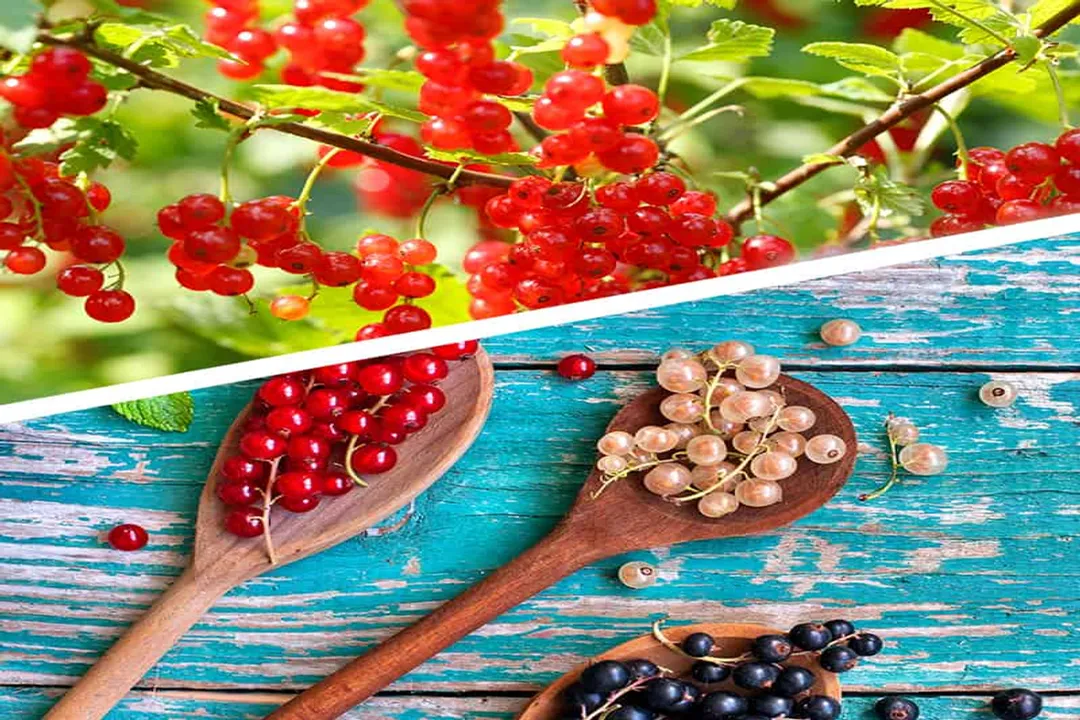
Currants, often overshadowed by their more famous berry cousins like blueberries and strawberries, carry a quiet reputation for being nutritional dynamos. Whether you picture the small, translucent red currants dangling from their stems, the tartness of white varieties, or the deep, inky purple of black currants, these little fruits pack an impressive punch when it comes to vitamins and antioxidants. [2][3] It is easy to overlook them, perhaps confusing them with dried Zante currants (which are actually small raisins) or simply not knowing how to incorporate them into daily eating habits. However, taking a closer look at their composition reveals why nutritionists and food scientists often classify them as true superfruits. [3][9]
# Berry Profile
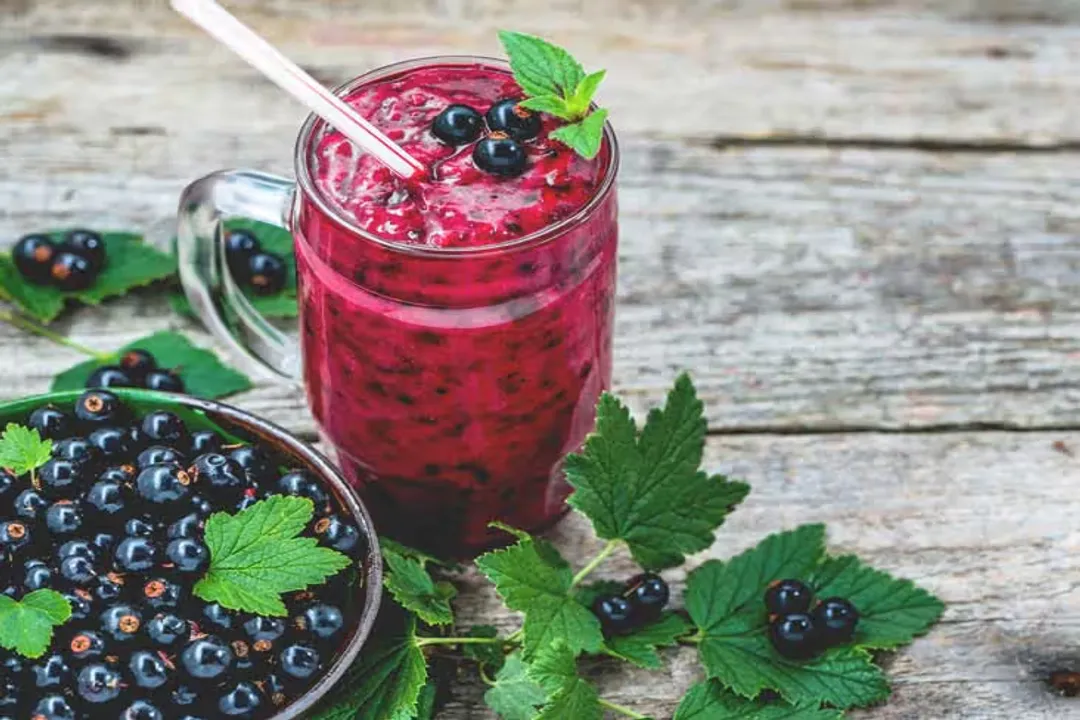
Technically, true currants belong to the Ribes genus, which also includes gooseberries. [3] The most commonly discussed variety in terms of concentrated health benefits is the black currant (Ribes nigrum), which possesses a distinct, strong flavor that can be quite tart when eaten raw. [1][9] Red and white currants are closely related, but generally, black currants outshine them nutritionally, particularly concerning certain vitamins and antioxidants. [2][8] While red and white currants offer their own benefits, the high concentration of beneficial compounds in black currants makes them a frequent subject of dietary study. [2] It is worth noting that the tiny, dried fruits often labeled as currants in baking aisles, Zante currants, are actually derived from a specific type of small grape, not the Ribes berry. [8] Understanding this distinction is key to seeking out the specific health advantages offered by the fresh or frozen Ribes varieties.
# Vitamin Powerhouse
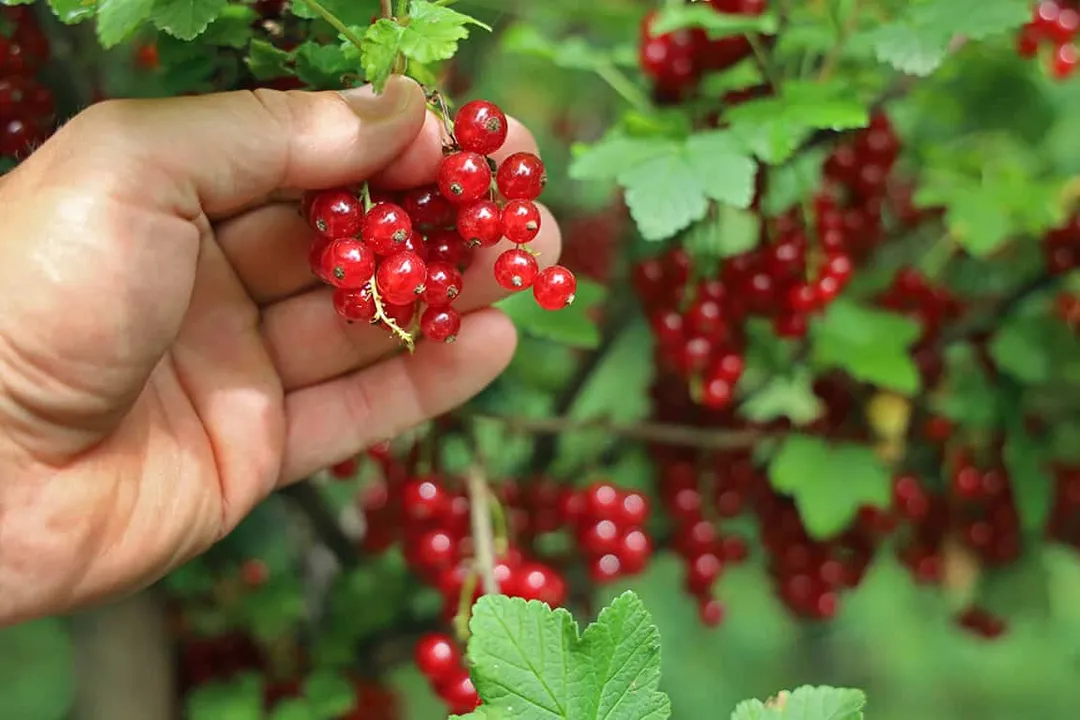
The mineral and vitamin content in currants is remarkable, especially considering their small size. For anyone looking to boost their intake of essential micronutrients without consuming large volumes of food, currants are an excellent choice. [2]
# Vitamin C Boost
The most notable feature of black currants is their extraordinarily high Vitamin C content. [1][4] In fact, black currants frequently boast significantly more of this essential vitamin per serving than many other well-known sources, including oranges. [1][9] Vitamin C is fundamental for several bodily processes; it is a powerful antioxidant that helps protect cells from damage caused by unstable molecules known as free radicals. [4] Furthermore, this vitamin is critical for supporting the immune system, aiding in collagen production for healthy skin and tissues, and helping the body absorb iron from plant-based foods. [1][4] A small serving of black currants can go a long way toward meeting one's daily Vitamin C requirements. [9] This high concentration means that even when processed into jams or juices, if the processing is done carefully, a respectable amount of the vitamin can often be retained. [9]
# Essential Minerals
Beyond Vitamin C, currants provide a solid foundation of other vital nutrients. They are a good source of Vitamin K, which plays a critical role in blood clotting and bone health. [2][4] If you look at their mineral profile, you will find notable amounts of manganese, an essential trace mineral involved in metabolism and antioxidant defense, alongside significant potassium, which is important for blood pressure regulation. [2] Black currants also offer decent amounts of iron, supporting oxygen transport throughout the body. [2] When comparing the nutrition labels of different berries, it’s the sheer density of these compounds—not just the volume of fruit consumed—that makes currants stand out. [2]
# Antioxidant Shield
The deep, vibrant color of black currants isn't just for show; it signals the presence of potent phytochemicals that offer substantial protection against oxidative stress. [4] These pigments are primarily anthocyanins, the same group of antioxidants found in blueberries and blackberries. [4]
Anthocyanins are polyphenols that combat inflammation and help neutralize the damaging effects of free radicals in the body. [4][6] This antioxidant action is what contributes to many of the long-term health advantages associated with regular consumption of deeply colored fruits. [4] Researchers have investigated the anti-inflammatory capabilities stemming from these compounds, suggesting a direct link between eating these berries and modulating the body's inflammatory response. [6]
One of the interesting comparisons in the world of fruit is how the concentration of these beneficial compounds varies. While many berries are praised for their antioxidants, black currants often rank among the highest in total antioxidant capacity tests, meaning a small amount delivers a significant dose of protective agents. [4] This concentration makes them exceptionally efficient additions to the diet for those focusing on antioxidant intake.
# Eye Function Support
The high levels of anthocyanins present in black currants offer specific advantages for visual health. [4][5] The compounds appear to help improve blood flow to the eyes, which can be beneficial for relieving eye strain and fatigue, particularly for those who spend long hours looking at screens. [5] Furthermore, some research suggests that the compounds in black currant may help protect the retina from damage caused by light exposure. [4]
When considering eye health, we often think about Vitamin A, but the role of anthocyanins in promoting circulation directly to the visual organs is a specialized benefit. [5] If you are prone to tired, dry eyes after a long day of digital work, a handful of black currants might offer a tangible difference compared to less pigmented fruits. This benefit is often highlighted in studies focusing on Ribes nigrum extracts, pointing toward a direct mechanism of action related to vascular function in the eye. [4]

# Heart Health Link
Supporting cardiovascular wellness is another area where the nutritional profile of currants shines, mainly through their impact on blood pressure and circulation. [1][4] The combination of potassium and the powerful antioxidant effects from anthocyanins work together to promote healthier blood vessels. [1][2] Potassium helps balance the negative effects of sodium on blood pressure, while antioxidants help keep arteries flexible and clear. [4]
Although more extensive human trials are often warranted, preliminary findings suggest that regular intake of black currant extract may positively influence factors related to heart disease risk. [1] By reducing oxidative stress, these berries help prevent the damage that can lead to the hardening of arteries over time. [4] If you think about your daily sodium intake, pairing high-potassium foods like currants with meals can be an easy, natural way to manage fluid balance and support heart function without relying solely on supplements. [2]
# Digestive Wellness
While not their most famous benefit, the fiber content in currants contributes positively to digestive regularity. [8] Berries, in general, are good sources of dietary fiber, and currants are no exception. [8] Fiber is crucial for maintaining a healthy gut environment, helping to move food smoothly through the digestive tract, and contributing to feelings of fullness, which can aid in weight management. [8]
Unlike some fruits where the majority of the fiber is concentrated in the skin, currants offer a well-distributed source. Whether you eat them fresh, freeze them, or dry them (if they are true currants), you are still retaining that beneficial fiber content. [8] For individuals looking to increase their daily fiber goal—often cited as needing around 25 to 38 grams daily, depending on age and gender—adding a cup of fresh currants to a morning smoothie or oatmeal is a simple way to contribute meaningfully to that target. [8]

# Recovery Aid
There is emerging interest in the role currants might play in athletic performance and recovery. Some studies suggest that consuming black currant extracts before or after intense physical activity could help mitigate muscle soreness. [6] This effect is likely tied back to the potent anti-inflammatory properties provided by the high concentration of antioxidants. [6]
When muscles are pushed hard, they sustain minor damage that leads to inflammation and the resulting delayed onset muscle soreness (DOMS). By providing compounds that quickly help manage this inflammation, currants may assist the body in recovering more efficiently. [6] This doesn't mean they are a magic cure, but incorporating them into a post-workout snack or recovery shake could be a smart strategy, especially when coupled with protein intake, as part of a broader nutrition plan aimed at reducing downtime between training sessions. [6]
# Culinary Uses
The versatility of currants is often underestimated, largely because many people only encounter them in specialized jams or syrups. [3] Red and white currants are notably tarter and perform wonderfully when cooked down, making them excellent for jellies, sauces to accompany savory meats like duck or game, or incorporated into baked goods where their tartness cuts through richness. [3]
Black currants, with their deep flavor, are staples in European cooking, used in everything from liqueurs to rich desserts. [9] If fresh berries are hard to find, turning to frozen black currants is a highly recommended approach; flash-freezing locks in the nutrients, and they thaw perfectly for use in baking or blending. [3] A simple, highly nutritious way to consume them daily, which often surpasses store-bought options in terms of sugar control, is to blend frozen black currants directly into a smoothie with yogurt or milk—this method also ensures you capture the fiber that might be lost in juicing. [8] Don't overlook dried currants, either, provided you confirm they are Ribes and not Zante raisins; they can be chopped and added to homemade granola or trail mixes for a concentrated burst of flavor and nutrition. [3] This ability to integrate seamlessly into both sweet and savory applications, often without needing excessive sugar to balance their natural tang, makes them a practical addition to many kitchens. [3][9]
#Videos
BLACKCURRANT Health Benefits
Related Questions
#Citations
Health Benefits of Black Currant
Nutritional Benefits Of Currants, A Berry Superfood
Currants: The Unknown Super Food
6 Health Benefits of Black Currant
4 Health Benefits of Black Currants
The health benefits of blackcurrants
BLACKCURRANT Health Benefits
Currants Health Benefits, Uses and Raisins Compaison
Black Currants: The Superfruit You Didn't Know You Were ...