Which cucumber has the most health benefits?
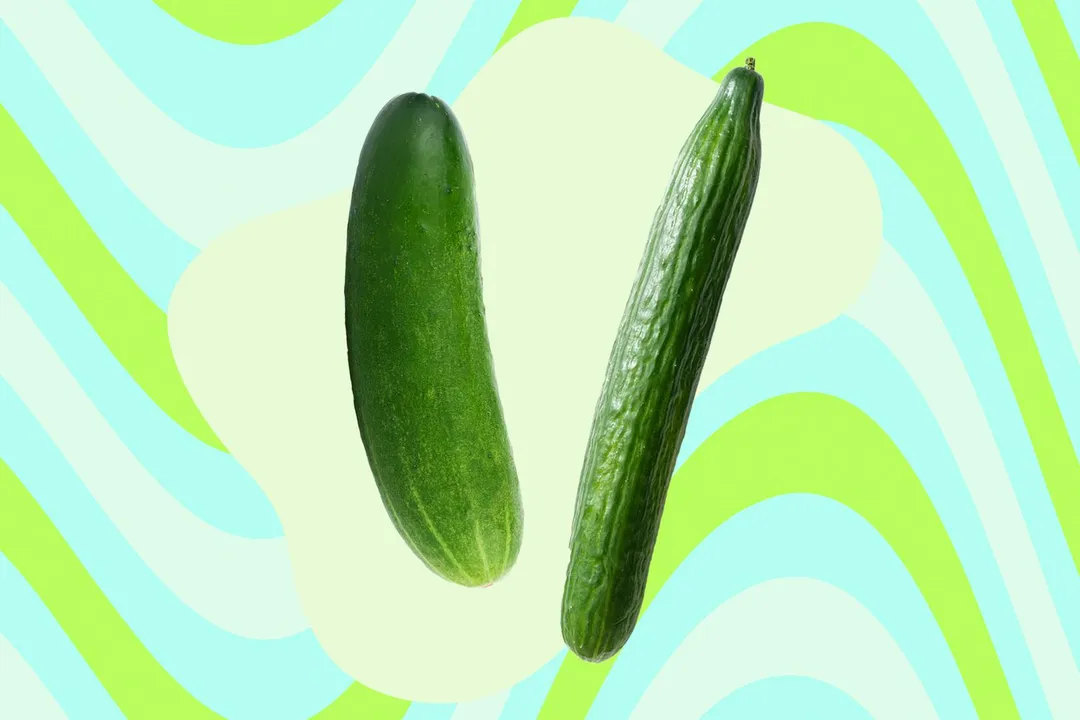
The query about which cucumber variety offers the greatest health payoff isn't straightforward because it depends entirely on whether you are considering the familiar garden vegetables or the marine invertebrates sometimes also called cucumbers. When most people picture a cucumber, they think of a refreshing, cool slice in a salad or infused water, valuing it for its hydrating properties. [5][10] However, the nutritional landscape shifts dramatically when you move from the garden patch to the ocean floor.
# Garden Variety Differences
Focusing first on the common, land-grown varieties, you often encounter two main types in the market: the American (slicing) cucumber and the English cucumber. [1] The distinction isn't just about size or where they are grown; it impacts convenience and potentially, nutrient exposure.
American slicing cucumbers typically possess a thicker, often waxy skin and contain more noticeable seeds. [1] This thicker skin is a barrier that sometimes needs peeling, especially if the cucumber is older or if bitterness is present, which is caused by compounds called cucurbitacins. [1]
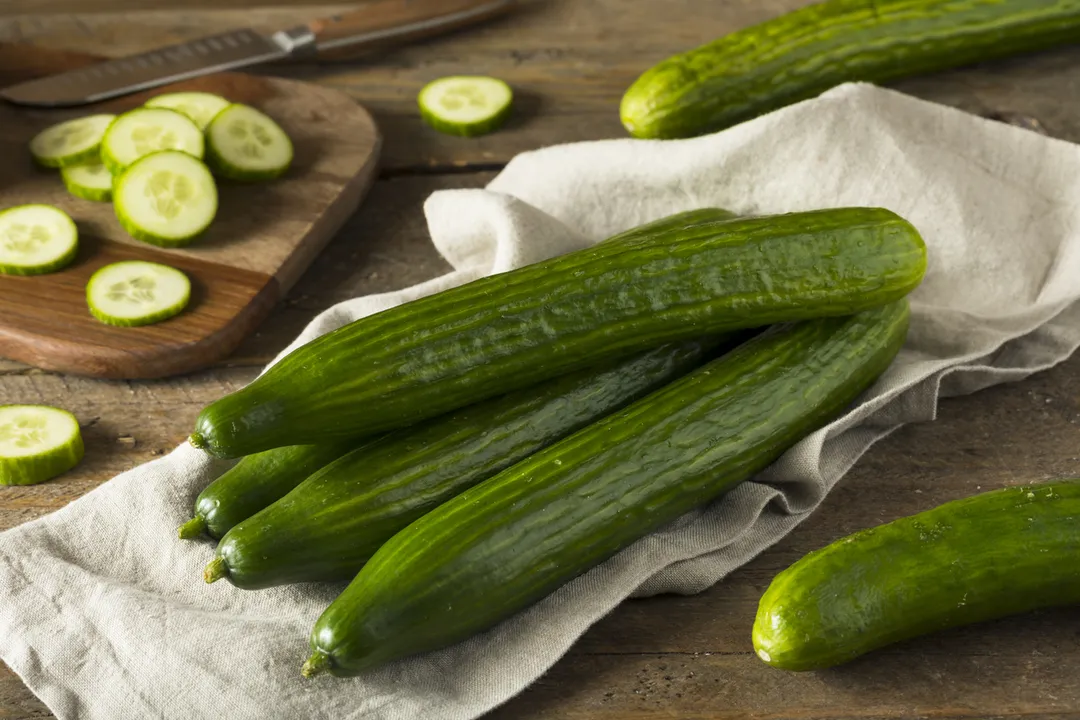
Conversely, English cucumbers are usually wrapped in plastic at the store, have a much thinner skin, and are marketed as virtually seedless. [1] This makes them ideal for eating whole without preparation, straight into a salad or onto a sandwich.
Nutritionally, both are low in calories and carbohydrates, fitting well into most diets. [4][6] Cucumbers, in general, are excellent sources of hydration, containing a very high water content. [5][10] They also provide essential micronutrients like Vitamin K and certain B vitamins. [5] When comparing the two common types, the primary difference perceived by consumers is texture and preparation ease, rather than a massive gulf in vitamins or minerals, though the skin thickness does matter.
# Skin Consumption Insight
The thin skin of the English cucumber means you are consuming a higher proportion of the fruit's surface area compared to peeling a thick-skinned American variety. Phytochemicals and some concentrated nutrients tend to reside just beneath the skin in many vegetables. [9] If you choose an English cucumber and eat it unpeeled, you are maximizing your intake of these surface-level compounds. However, this choice brings an important consideration: the presence of wax or residues on the exterior. If you are concerned about surface treatments on a conventionally grown, thin-skinned cucumber, the decision to eat the skin becomes a calculation between maximizing nutrient density from the exterior layer versus minimizing potential pesticide exposure through peeling. [1]
# Essential Hydration Role

The fundamental health benefit shared by all edible Cucumis sativus (the botanical name for garden cucumbers) is their incredible capacity to hydrate the body. [8][10] With their water content being well over 90%, [5] they are an excellent, low-calorie way to boost fluid intake throughout the day.
Beyond mere water, cucumbers contain antioxidants and anti-inflammatory compounds. [5] While they are not nutrient powerhouses like dark leafy greens, they contribute valuable components to a healthy diet. For instance, they offer a source of Vitamin K, which is necessary for blood clotting and bone health. [5]
If you happen to compare cucumbers to a close relative, zucchini, the data shows slight nutritional trade-offs. Zucchini generally contains slightly more protein and Vitamin A than a cucumber, but cucumbers win out on being lower in overall calories and carbohydrates. [4][6] This confirms that while cucumbers are healthy, they fit best into a plan emphasizing low-calorie bulk and hydration rather than high concentrations of specific vitamins.

# Sea Cucumbers Nutritional Profile

When the conversation shifts to sea cucumbers, which belong to the class Holothuroidea, we are no longer discussing a vegetable. These marine echinoderms are vastly different nutritionally and are often consumed as a delicacy or used in traditional medicine systems, particularly in Asia. [3]
The health claims associated with sea cucumbers center on a completely different set of compounds, often related to joint health and immune support. They are noted for being high in protein and containing chondroitin sulfate and glucosamine, substances commonly sought for managing joint conditions. [3][7] Furthermore, they are a good source of minerals like selenium. [3][7]
Research indicates they possess bioactive compounds that may offer anti-inflammatory, antioxidant, and even anti-tumor properties. [7] Their composition is rich in mucopolysaccharides and saponins, distinguishing them sharply from their land-based counterparts. [7]
# Framing the Health Comparison
Here is where we must clarify the concept of "most health benefits." If your goal is cooling hydration, general vegetable intake, and Vitamin K, the garden cucumber wins by default because you can eat several servings easily and affordably. [5]
If your goal is to obtain high levels of glucosamine, chondroitin, and concentrated animal-based protein, the sea cucumber is superior. [3][7] However, one does not typically substitute a bowl of cucumber salad for a sea cucumber preparation; they serve entirely different dietary niches.
Analytical Context: Dietary Roles
Comparing the health benefits of a garden cucumber (a fresh, high-water vegetable) against a sea cucumber (a marine animal often used for specific bioactive components or protein) is like comparing the benefits of an apple to the benefits of an egg. Both provide value, but they are not nutritionally interchangeable. The garden cucumber excels at hydration and vitamin delivery in a low-calorie package, [5][10] while the sea cucumber is valued for unique compounds like chondroitin sulfate, often sourced for therapeutic reasons. [3] Recognizing this difference helps you choose the right food for your specific health objective.

# Maximizing Your Green Cucumber Intake
For those sticking to the fresh, green options for everyday consumption, maximizing the benefit is about thoughtful preparation and selection. Since both American and English varieties offer good hydration and some vitamins, [5] choosing the one that encourages you to eat more of it is beneficial.
If you dislike peeling, the English variety is an easy win. [1] If you are sourcing local, organic slicing cucumbers where the skin is thin and known to be pesticide-free, eating the skin of the American type can increase your intake of the nutrients concentrated there. [9]
Another practical consideration involves bitterness. Bitterness in some older or sun-stressed cucumbers is a sign of high cucurbitacin levels. [1] While these compounds are being studied for potential health effects, they are often unpleasantly bitter when consumed in large amounts. Selecting fresh, unwaxed, thin-skinned types generally avoids this issue, ensuring a pleasant eating experience that promotes regular consumption.
In summary, there isn't a single "healthiest" cucumber, but rather different cucumbers for different needs. For accessible, everyday nutrition and hydration, the common garden varieties fit the bill. [5] For specific joint-supportive compounds usually found in supplements, the sea cucumber stands in a category all its own. [3][7]
Related Questions
#Citations
American vs. English Cucumbers: What's the Difference? - EatingWell
Which variety of cucumber is more nutritious to health? - Quora
Health Benefits of Sea Cucumber - WebMD
Zucchini vs. Cucumber — Health Impact and Nutrition Comparison
Cucumber Health Benefits & Downsides - Food Revolution Network
Zucchini vs. Cucumber: Which Is More Hydrating and Contains More ...
The Benefits of Eating Sea Cucumber - Healthline
Cucumbers: Health benefits, nutritional content, and uses
Which Cucumber is Healthiest? Uncovering the Secrets of ...
Health Benefits of Cucumber That Go Beyond Hydration ... - Facebook