Do sloes have any health benefits?
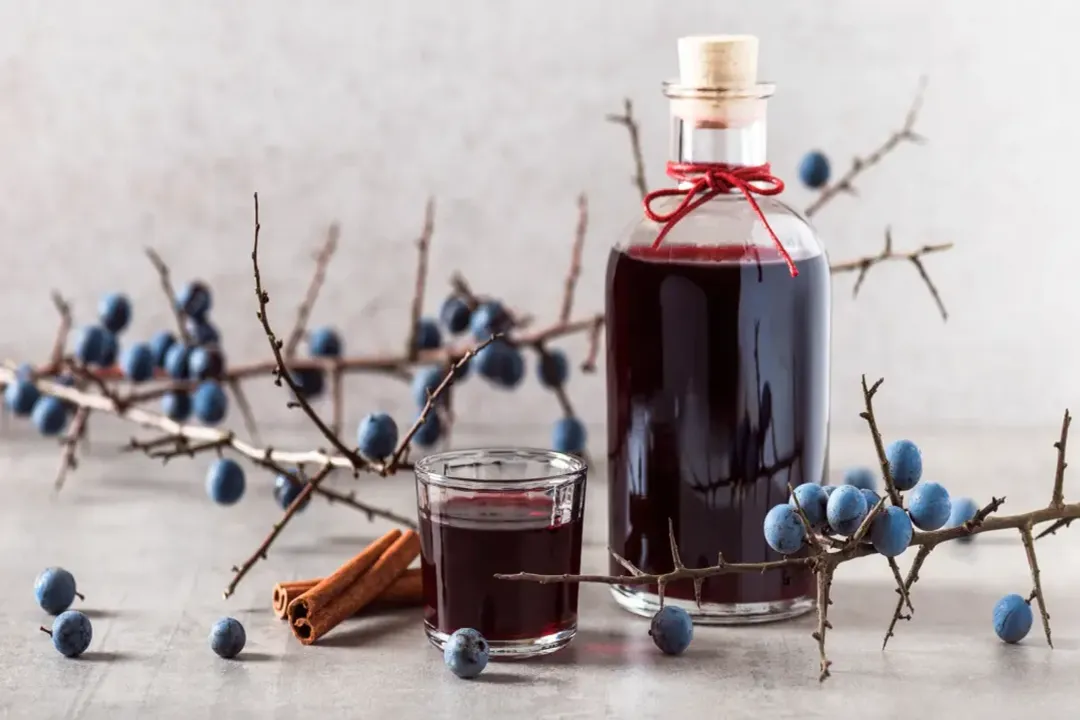
The small, dark fruits that appear on hedgerows as summer wanes are often overlooked, yet they carry a wealth of history and potential wellness properties. These are sloes, the fruit of the blackthorn shrub (Prunus spinosa). [1][2] While they are most famous in the public consciousness for being steeped in gin, their connection to traditional medicine and modern nutritional interest warrants a closer look at what these tart jewels might offer the body. [1][9]
# Botanical Identity
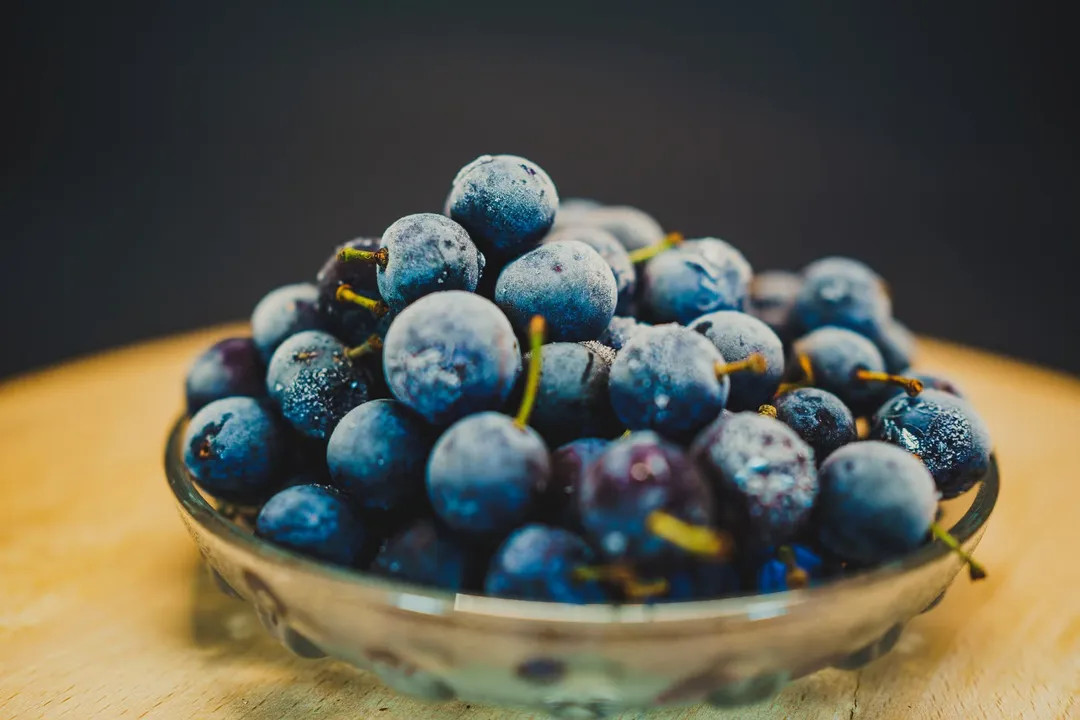
The sloe is the small, plum-like fruit of the blackthorn tree or shrub. [1][6] The plant itself is recognized by its dense, thorny branches, which often yield flowers early in the spring before the leaves appear. [1] In terms of taste, the raw sloe is notoriously harsh. It is intensely tart and highly astringent, a characteristic primarily due to its significant tannin content. [1][3] The fruit’s color ranges from dark blue to nearly black when fully ripe. [1] While used widely in culinary applications, particularly in the British Isles, its presence in the ecosystem is significant, being a vital source of food for local wildlife. [8]
# Active Compounds
The interest in the health profile of the sloe stems from its dense concentration of various bioactive compounds. [3] Like many dark berries, sloes are rich in polyphenols. [3] Specifically, research indicates they contain high levels of anthocyanins, which are responsible for the deep purple-blue pigmentation of the skin. [3] These pigments are widely studied for their potential roles as natural antioxidants. [3] Furthermore, the astringency that defines the raw fruit is directly linked to the presence of tannins. [3] While these compounds make the fruit unpleasant to eat unadulterated, they are the very elements often associated with traditional health applications. [5]
# Scientific Insights
Modern investigation into Prunus spinosa suggests that its traditional uses may have a basis in its chemical composition. [3] Scientific analysis points toward the fruit’s strong antioxidant activity, which is attributed to its phenolic composition. [3] This capacity to neutralize damaging free radicals is a major area of focus when evaluating the health attributes of wild fruits. [3]
One study examining the fruit’s chemical makeup confirmed substantial quantities of phenolic acids, flavonoids, and proanthocyanidins. [3] The specific profile observed in laboratory settings highlights the potential for these extracts to influence biological processes, although it is important to distinguish between laboratory findings and direct human health outcomes. [3] While the research confirms the presence of beneficial substances, practical application often focuses on how these substances are affected by processing. For example, the high tannin level responsible for bitterness also gives the fruit its traditional reputation as a digestive aid, potentially helping to manage issues related to loose bowels due to its astringent properties. [5][6]
# Traditional Applications
Historically, sloes and blackthorn preparations were utilized in folk medicine across various regions. [5][6] Before their current fame as an ingredient for liqueur, they were valued more for their medicinal qualities than their flavor. [9] Traditional preparations often centered on using the fruit or bark for treating issues like diarrhea or as a general tonic. [5]
If we look at the traditional preparation of Prunus spinosa extracts, some sources suggest that decoctions made from the bark were traditionally used for their purported diuretic or astringent effects. [5] In contrast, the fruit itself often found its way into remedies targeting the digestive system. [6] It is worth noting that while historical use is extensive, sources often caution that rigorous clinical evidence supporting all traditional uses for modern consumption is generally lacking. [5]
# Culinary Processing
The major barrier to consuming sloes raw—their intense astringency—is why they are rarely eaten fresh right off the bush. [1] This astringency is typically managed through one of two methods: allowing them to ripen fully post-harvest until they soften, or by subjecting them to cold. [1][4]
Many foragers wait for the first hard frost to naturally sweeten the fruit. [1][8] The frost is believed to break down the harsh tannins, making the fruit more palatable by softening the texture and mellowing the sourness. [9] An alternative, highly common practice is to pick the sloes before the frost and freeze them artificially. Placing the freshly picked fruit in a freezer for several days achieves a similar result to a natural frost, effectively "ripening" them for use in jams, jellies, or infusions. [4] This artificial softening is a critical step for anyone planning to cook with them, as it addresses the primary textural and taste issue immediately. [1]
When used in cooking or infusions, the sloes are frequently paired with sugar or alcohol, which further balances the inherent tartness. [2] The preparation of sloe gin, where the fruit is steeped in gin with sugar, is the most famous example of this flavor modification. [2][9] In these alcoholic infusions, the fruit imparts flavor, color, and some of its beneficial compounds into the spirit, though the profile of nutrients in the final product will differ significantly from the fresh fruit. [3]
To put the processing steps into context for someone gathering them locally, consider this flow: a forager collects sloes around October or November. [8] If they wish to make gin, they often prick the fruit—sometimes even if they have been frozen first—to help release the internal juices and compounds into the alcohol. [9] If they plan to make a preserve, freezing them first ensures the final jam or jelly is not overwhelmingly sharp or dry on the palate.
# Maximizing Flavor and Potential
When considering the sloe, it is interesting to observe how the method of preparation directly influences the resulting concentration of beneficial compounds versus flavor profile. If the goal is maximizing the extractable polyphenols for a health-focused tincture, a light infusion in a neutral, food-grade alcohol might be superior to boiling for a jam, as excessive heat can degrade some sensitive compounds. [3] Conversely, if the goal is simply a palatable, seasonal treat like a chutney, the prolonged cooking required will certainly change the chemical makeup but yield a usable foodstuff. [2]
For those integrating sloes into their seasonal culinary repertoire, understanding the trade-off between harvest timing and processing is key. While waiting for a hard frost is traditional, if an early cold snap is missed, utilizing the freezer box provides immediate control over softening the tannins, allowing for a quicker transition to the kitchen. [4] This method bypasses the waiting period while still achieving the essential textural change required for enjoyable consumption. The difference between a sloe that has been naturally matured by frost versus one that has been artificially frozen is subtle; often, home cooks find the artificial method more reliable and convenient for ensuring the fruit is soft enough to pierce easily. [1]
In summary, while the sloe is far too sharp to be eaten like a regular plum, it contains specific bioactive compounds, especially polyphenols and anthocyanins, which align with areas of modern nutritional interest. [3] Its primary benefit to the modern consumer, however, remains in its historical role as a flavorful, if tart, ingredient when properly processed, often lending its deep color and unique notes to spirits and preserves. [2][9]
#Videos
Sloe Secrets: The Ancient Food & Medicine of Our Ancestors
Related Questions
#Citations
Sloe (Blackthorn) – Robin Harford from Eatweeds
Blackthorn: Recipes and Benefits of Sloe
Blackthorn—A Valuable Source of Phenolic Antioxidants with ...
Sloe – here's why this fruit's so healthy! | FreshMAG by ...
Blackthorn: Health Benefits, Side Effects, Uses, Dose & ...
The Versatile Prunus Spinosa: Exploring the Many Uses of ...
Sloe Secrets: The Ancient Food & Medicine of Our Ancestors
Using Autumnal Wild Berries to Support Your Health and ...
Sloes (Blackthorn): Foraging for culinary and medicinal use