Does yuzu have health benefits?

The bright yellow, puckered appearance of the yuzu fruit often leads people to mistake it for a small, bumpy grapefruit or a sour mandarin, but its flavor profile sets it apart entirely. [5][9] This East Asian citrus, frequently grown in Japan and Korea, offers a complex, aromatic experience that has made it prized far beyond simple refreshment. [1] Its health attributes, though often discussed in the context of traditional uses, are increasingly being backed by what we know about its rich nutritional composition, primarily its concentration of essential vitamins and powerful plant compounds. [4]
# Aroma Taste
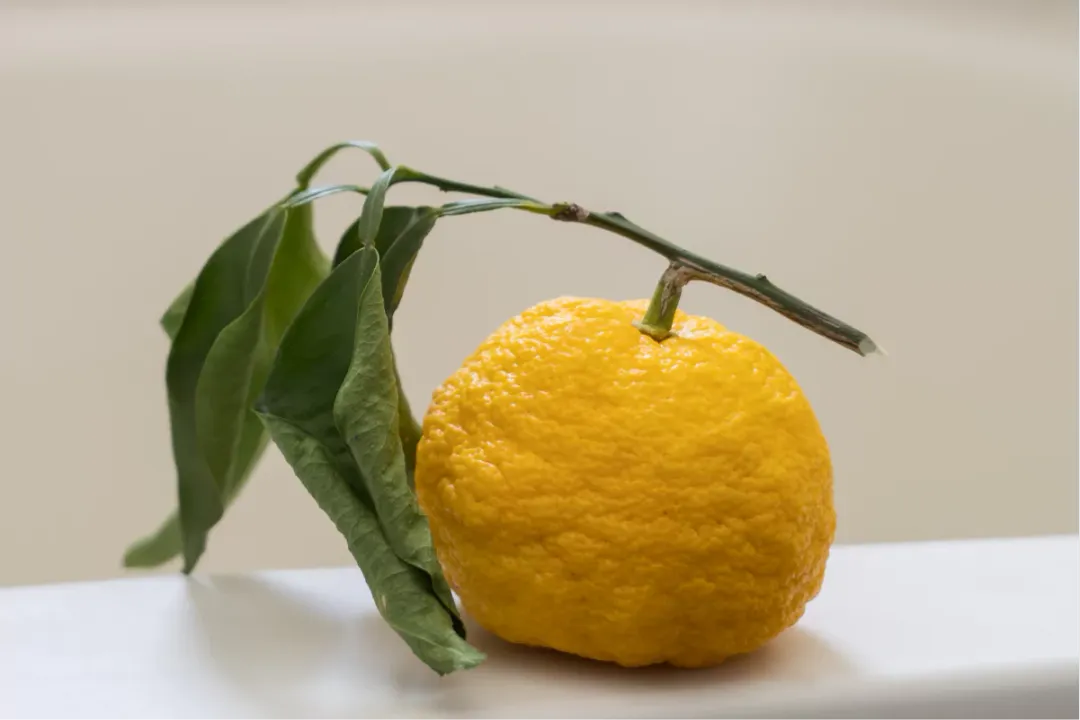
Yuzu possesses a distinctive taste that is generally described as a vibrant mix of tart lemon, sour grapefruit, and the sweet floral notes of a mandarin orange. [1][5] This unique combination makes it a highly sought-after ingredient, not just for its juice but significantly for its aromatic zest. [5] The scent itself carries significant weight in its appeal; it is often described as floral and sharp, a characteristic that translates into potential wellness advantages when inhaled. [1]
# Vitamins Minerals
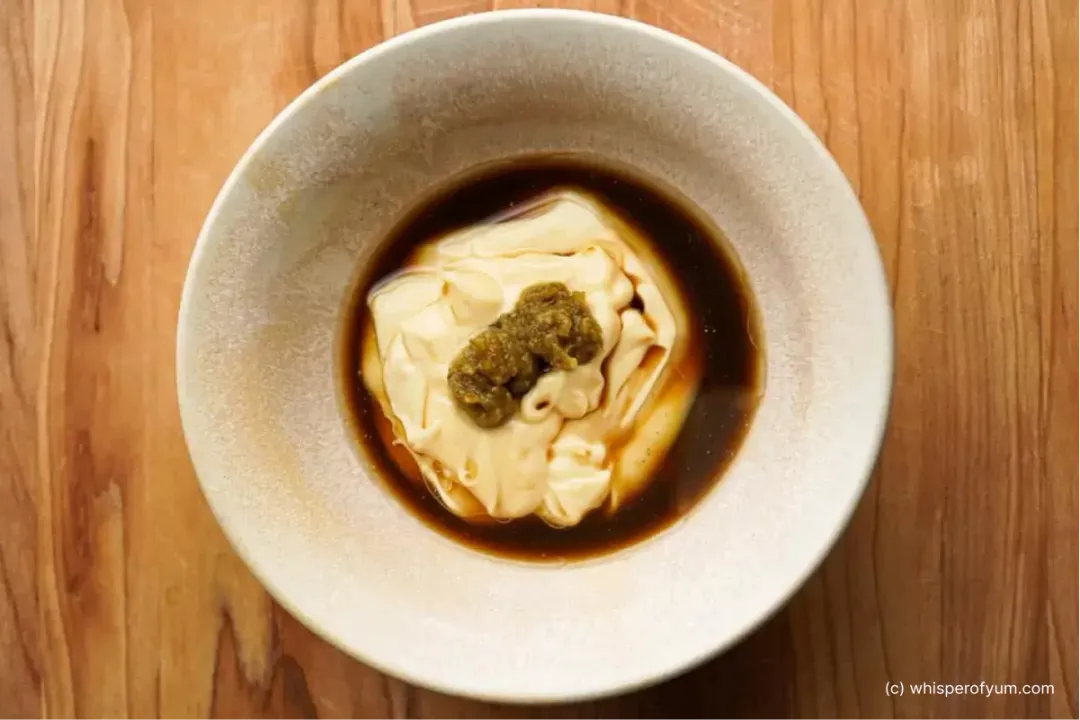
The nutritional makeup of yuzu confirms why it has long been valued in diets focused on vitality. Foremost among its components is Vitamin C. [1][4][9] This essential nutrient is fundamental for numerous bodily functions, making citrus fruits like yuzu an important dietary inclusion for maintaining well-being. [4] Beyond Vitamin C, yuzu contains a variety of antioxidants, including various flavonoids, which are plant-based compounds known for their protective effects within the body. [1][4]
While specific quantification can vary based on the maturity and variety of the fruit, considering the overall density of Vitamin C in citrus generally, a small serving of yuzu juice or zest can contribute substantially to the daily recommended intake. A helpful way to view its contribution is to consider the high concentration of these beneficial phytochemicals in the peel and pith—parts of the fruit often discarded with other citrus varieties but highly valued when preparing yuzu. [9] Unlike some fruits where the juice provides the main benefit, with yuzu, the aromatic oils in the skin carry a significant portion of its unique therapeutic profile. [5]

# Defense Boost
The high Vitamin C content is directly linked to strengthening the body’s natural defenses. [1][4] Vitamin C is crucial for supporting the immune system by promoting the production of white blood cells, which are the body’s primary defense mechanism against pathogens. [4]
This immune support is only one facet of the antioxidant activity. The presence of specific flavonoids, like hesperidin and naringenin, suggests potential anti-inflammatory properties. [4] Chronic inflammation is linked to numerous long-term health issues, so consuming foods rich in natural anti-inflammatories is a sound preventative strategy. [4] Although research specifically on yuzu extracts is still developing, its composition aligns with other citrus fruits known to confer these protective effects. [9]
# Collagen Health
Skin health is intrinsically tied to sufficient Vitamin C intake, making yuzu relevant for those interested in maintaining vibrant, resilient skin. [9] Vitamin C is a necessary cofactor in the synthesis of collagen, the primary structural protein in skin, bones, and connective tissues. [9] By supporting collagen production, regular intake of Vitamin C-rich foods like yuzu can aid in tissue repair and potentially reduce the appearance of aging signs associated with collagen degradation. [9]

# Circulation Care
The compounds found in yuzu may also extend their protective influence to the cardiovascular system. [4][9] The potent antioxidants help combat oxidative stress, which is a major factor in the development of arterial plaque and related heart conditions. [9] Furthermore, some research into citrus flavonoids suggests they may play a role in regulating blood pressure and improving blood flow. [4] Incorporating fruits that support vascular health, even in small, flavorful amounts like yuzu zest sprinkled over a meal, adds another layer of dietary protection. [4]
# Stress Relief
One area where yuzu stands out, supported by traditional use and anecdotal evidence, is in its impact on mood and relaxation, primarily through aromatherapy. [1][5] The essential oil extracted from the peel contains compounds, such as linalool, which are known in aromatherapy for their calming and soothing effects. [1] Simply smelling the fragrance of yuzu zest or using yuzu-infused products can trigger a relaxing response, helping to ease tension and promote a sense of well-being. [1][5]
Thinking about how we consume flavor, it’s interesting to note that many traditional remedies focus on inhalation or ingestion. With yuzu, you get both simultaneously when using the peel. For instance, simmering a few slices of the whole fruit in water releases its aromatic oils into the steam, offering a simple, passive way to experience its relaxing benefits alongside hydrating consumption. [1] This dual sensory experience—flavor and scent—is a practical advantage over relying solely on juice concentrates or supplements.

# Kitchen Application
The practical application of yuzu is vast, which makes integrating its benefits into a daily routine relatively straightforward for culinary enthusiasts. [1][9] The juice is highly acidic and tart, often used as a substitute for lemon or lime juice in dressings, marinades, and beverages. [1] However, its most intense flavor comes from the zest. [9]
Common uses include:
- Zest: Grated over fish, mixed into baked goods, or infused into oils and vinegars. [1]
- Juice: Essential for sauces like ponzu, in cocktails, or flavoring desserts like custards and sorbets. [1][9]
- Whole Fruit: Used in hot water infusions or steeped in teas. [1]
An original consideration when working with yuzu is recognizing the difference in flavor profile versus common Western citrus. While lemon is purely sharp, yuzu carries that floral undercurrent which means it pairs unexpectedly well with savory umami flavors, such as those found in mushrooms or aged soy sauce, creating complexity that a standard lemon cannot match. This ability to add brightness without overwhelming the base flavor profile is key to its culinary prestige. [5]
# Daily Incorporation
To genuinely benefit from yuzu’s nutritional components, consistency is more important than massive single doses. Because many of the beneficial compounds are concentrated in the peel, wasting the zest means missing out on a large part of the fruit’s potential. [9]
Here is an actionable tip for maximizing your yuzu intake: If you find whole fresh yuzu seasonally or purchase a batch, treat the zest preservation as seriously as you would with high-quality lemons. Finely grate all the zest first and freeze it in small, measured portions (perhaps one teaspoon per baggie) or dry it completely before storing in an airtight container. This ensures you have the potent, oil-rich zest available year-round for sprinkling over yogurt, oatmeal, or sautéed greens, providing those immune and antioxidant benefits long after the season has passed. [9]
The overall picture suggests that yuzu is more than just a trendy, exotic flavoring agent. Its strong concentration of Vitamin C and its unique array of bio-active compounds position it as a fruit worth seeking out for general wellness, immune maintenance, and even mood support through its powerful aroma. [1][4][9]
Related Questions
#Citations
13 Emerging Benefits and Uses of Yuzu Fruit - Healthline
Health Benefits of Yuzu
Are There Health Benefits to Eating Yuzu Fruit? - WebMD
Yuzu Fruit: Does it Spike Your Glucose? - Nutrisense Journal
Yuzu 101: Everything You Need to Know About Its Benefits - YUZUCO
Yuzu fruit offers potent antioxidants and phytochemicals - Facebook
Yuzu Fruit: Health Benefits, Nutritional Facts, Uses And Spicy ...
Yuzu Fruit Nutrition Facts, Benefits, Uses and More - Dr. Axe
All About Yuzu: Nutrition, Benefits, How to Prepare It, and More
The Health Benefits of Yuzu Fruit in Yuzu Omakase's Dishes