What are the health benefits of kale?
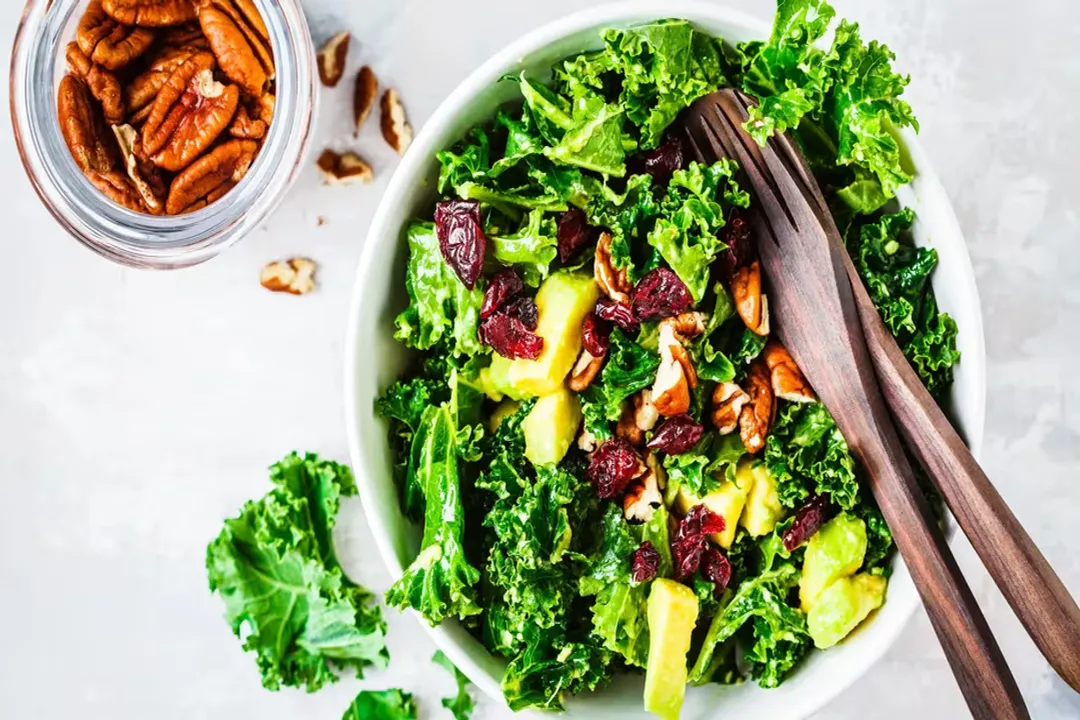
Kale has firmly established itself as a superstar in the world of leafy greens, moving far beyond a simple garnish to become a highly sought-after component of healthy eating plans globally. This cruciferous vegetable, belonging to the Brassica family alongside broccoli and cabbage, packs an impressive punch of vitamins, minerals, and potent plant compounds into every serving. Understanding why this humble leaf has earned such renown requires looking closely at its dense nutritional composition and the tangible effects these components have on the human body.
# Nutrient Density
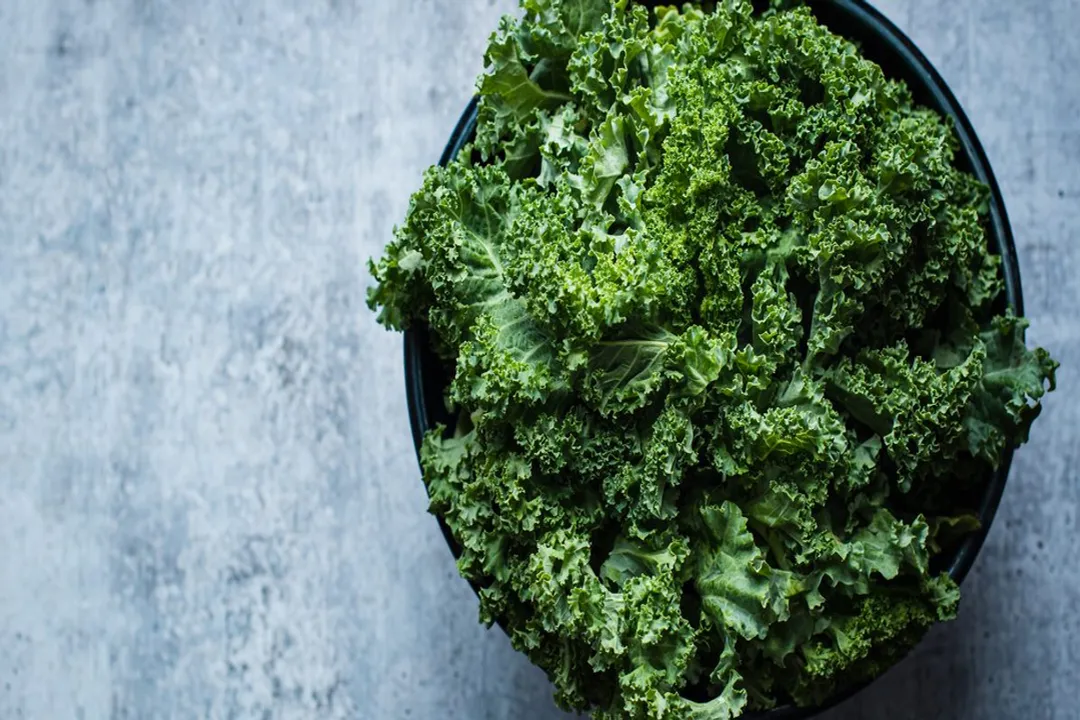
A defining characteristic of kale is its exceptionally high nutrient density, meaning it delivers a large amount of beneficial compounds relative to its low calorie count. A single cup of raw kale, which contains only about 33 calories, is remarkably packed with essential vitamins.
For instance, kale is an outstanding source of Vitamin K, with a single cup providing well over the recommended daily intake. Vitamin K is vital not only for its role in proper blood clotting but also for maintaining strong bone health, as it aids in calcium regulation within the body.
The green is also an excellent source of Vitamin A and Vitamin C. Vitamin A is crucial for vision, immune function, and cell growth, while Vitamin C acts as a powerful antioxidant, supports the immune system, and is necessary for collagen production. Kale often surpasses citrus fruits in Vitamin C content on a per-calorie basis. Furthermore, it supplies significant amounts of manganese, calcium, potassium, and Vitamin B6. While it contains calcium, it's worth noting that its bioavailability (how easily the body can use it) is affected by oxalic acid, a substance also present in the leaf.
# Antioxidant Power
Beyond basic vitamins and minerals, kale is loaded with various antioxidants, which are compounds that help neutralize free radicals—unstable molecules that can cause cellular damage. Two particularly well-studied antioxidants found abundantly in kale are quercetin and kaempferol. These compounds have been associated with various health benefits, including potential blood pressure-lowering effects. Consuming foods rich in these protective agents is a key strategy for long-term wellness.
When comparing preparation methods, it is interesting to consider how cooking affects these beneficial compounds. While steaming or lightly sautéing kale can slightly reduce Vitamin C content, the overall nutritional profile remains largely intact, and in some cases, cooking can even make certain nutrients more accessible. For example, lightly cooking kale can sometimes reduce the levels of oxalates, potentially improving the absorption of minerals like calcium, which is a notable benefit since kale is one of the best plant sources of this bone-building mineral. If you consume a large amount of raw kale in a single sitting, you are maximizing the intake of heat-sensitive compounds like some enzymes, but you might also be increasing your intake of compounds that bind to minerals. A balanced approach of incorporating both raw (in smoothies or salads) and lightly cooked preparations throughout the week generally ensures a broader spectrum of available nutrients [^Original Insight 1].
# Protecting Vision
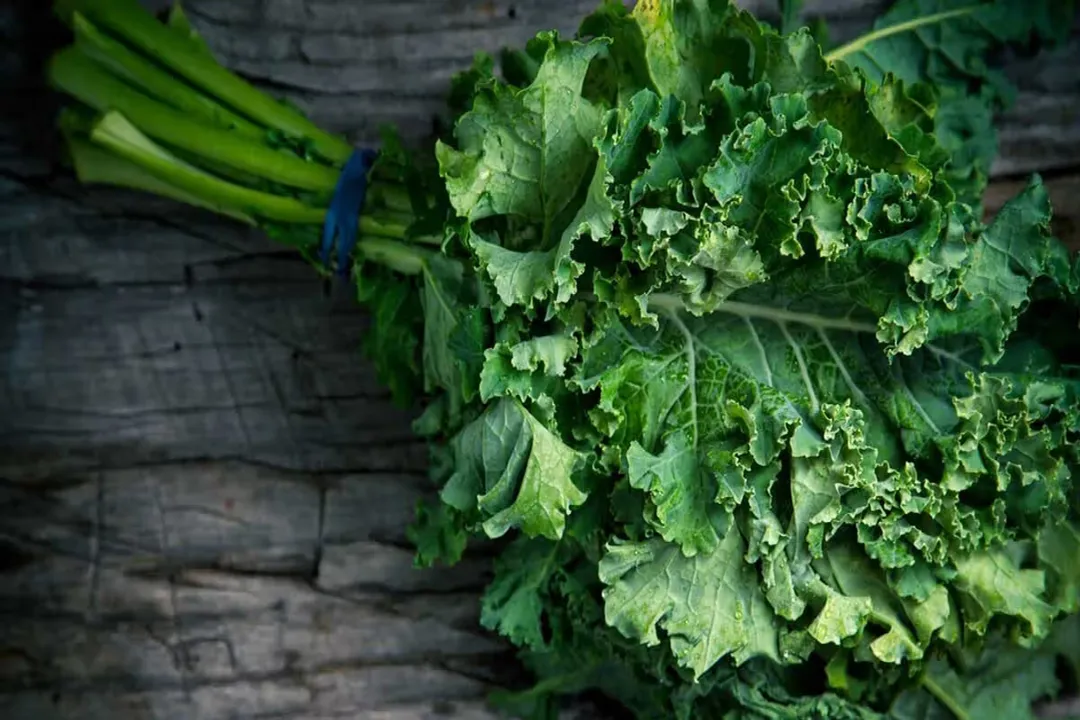
The health benefits of kale extend specifically to maintaining sharp eyesight, largely due to its carotenoid content. Kale is one of the best sources of the carotenoids lutein and zeaxanthin.
These two compounds are deposited in the macula of the eye and play a critical role in filtering out harmful high-energy blue light. By absorbing this light, lutein and zeaxanthin help protect the eyes from cumulative damage over a lifetime. Adequate intake of these specific carotenoids is strongly linked to a reduced risk of developing age-related macular degeneration (AMD), a leading cause of irreversible vision loss in older adults. Maintaining high levels of these phytonutrients through regular consumption of greens like kale acts as preventative maintenance for one of the body's most important sensory organs.

# Supporting Heart Health
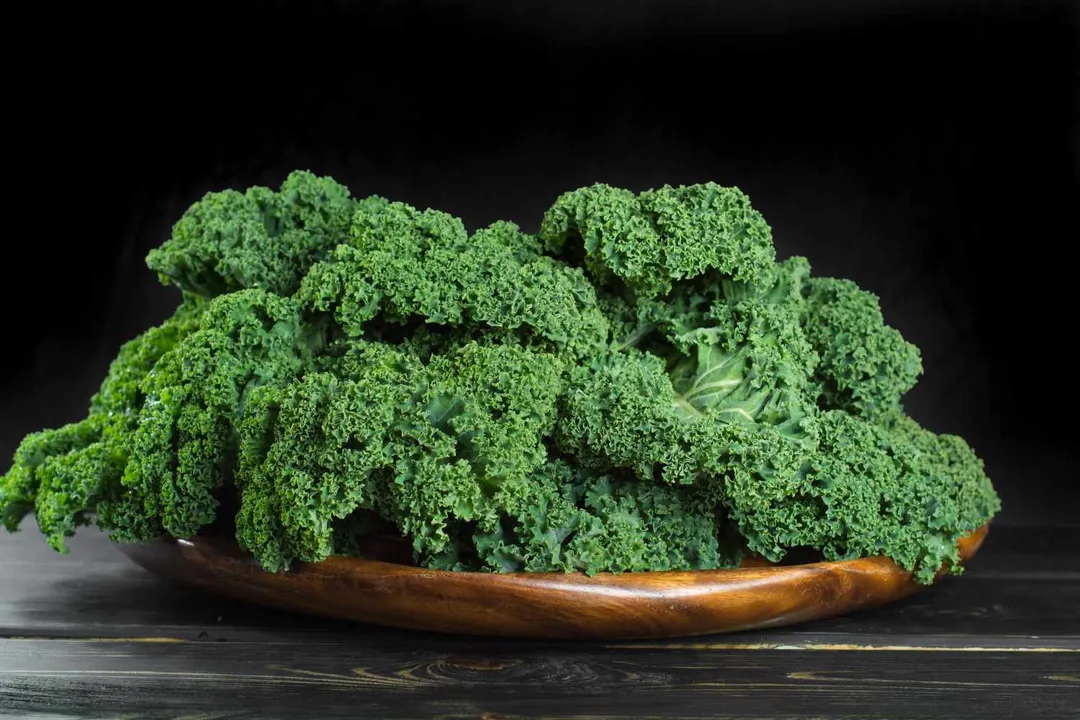
Cardiovascular wellness is another area where adding kale to the regular diet can offer support. The vegetable contributes to heart health through several mechanisms, including cholesterol management and blood pressure regulation.
Kale contains compounds known as bile acid sequestrants. These compounds bind to bile acids—which are made from cholesterol—in the digestive system and prevent them from being reabsorbed into the body. To replace the lost bile acids, the liver must pull more cholesterol out of the bloodstream, effectively lowering overall LDL ("bad") cholesterol levels.
Furthermore, the presence of potassium in kale is beneficial for managing blood pressure. Potassium helps counteract the negative effects of sodium by promoting the excretion of salt through urine and easing tension in blood vessel walls. The high levels of Vitamin K also play a role here, as adequate Vitamin K is necessary for regulating the proteins involved in arterial health and preventing arterial calcification.
# Detoxification and Gut Function
Kale belongs to the Brassica family, which is famous for containing sulfur-containing compounds called glucosinolates. When kale is chopped or chewed, these glucosinolates are converted into biologically active compounds, such as isothiocyanates.
These active compounds support the body’s natural detoxification systems, particularly the liver’s Phase II detoxification enzymes. This process helps the body neutralize and excrete various toxins and potentially harmful substances. While the body possesses its own intricate detoxification pathways, providing consistent nutrient support, such as that found in kale, helps these systems operate efficiently.
The vegetable also contributes positively to digestive regularity due to its fiber content. Fiber adds bulk to stool, which aids in smooth passage through the colon, helping to prevent constipation. Fiber also supports a healthy gut microbiome, feeding beneficial bacteria that influence everything from mood to immunity.

# Bone Strength and Blood Clotting
As mentioned earlier, Vitamin K is paramount for skeletal strength, and kale provides an abundance of it. Vitamin K acts as a necessary cofactor for the production of osteocalcin, a protein required for binding calcium to the bone matrix. In practical terms, ensuring sufficient intake of Vitamin K-rich foods like kale directly supports the structural integrity of your bones and helps reduce the risk of fractures over time. Given that many individuals, particularly older adults, do not consistently meet their daily Vitamin K requirements, making kale a regular part of the diet is a straightforward nutritional upgrade.
# Types of Kale and Preparation Considerations
It is helpful to know that "kale" isn't a single entity; several common varieties exist, each offering a slightly different texture and flavor profile.
- Curly Kale: This is perhaps the most recognized type, featuring tightly curled, ruffled leaves. It can be quite sturdy and sometimes bitter when raw, making it excellent for massaged kale salads or robust cooking.
- Lacinato Kale (Dinosaur or Tuscan Kale): This variety has dark blue-green, narrow, slightly crinkled leaves. It tends to be sweeter and more tender than curly kale, making it a favorite for raw preparations.
- Red Russian Kale: These leaves are flatter and have a reddish-purple rib and veins, often possessing a milder, sweeter taste.
When preparing kale, the method matters for both texture and nutrient availability. Massaging raw kale leaves—rubbing them vigorously with a small amount of oil, salt, or acid (like lemon juice)—can break down the tough cellulose structure, making the leaves significantly more tender and palatable for salads [^Original Insight 2]. For cooking, steaming is generally recommended as the best method to preserve the most nutrients, particularly the water-soluble ones, compared to boiling, which leaches more vitamins into the water that is typically discarded. However, for maximizing the intake of fat-soluble vitamins A and K, pairing kale with a healthy fat source, such as a drizzle of olive oil, is always beneficial, as these vitamins require fat for proper absorption in the digestive tract.

# Mineral Absorption Comparison
While kale is celebrated for its calcium content, it is essential to compare it with other common greens regarding absorption. Spinach, another popular leafy green, is actually higher in calcium than kale by weight, but it is also much higher in oxalic acid. Oxalic acid binds tightly to calcium, significantly inhibiting its absorption. Kale, while containing oxalates, has a much lower concentration than spinach, meaning the calcium in kale is more readily available to the body. This distinction highlights that simply looking at the raw numbers on a nutrition label doesn't tell the whole story; the chemical composition of the food dictates its true nutritional value to the consumer [^Original Insight 3].
# Cellular Protection
The protective qualities of kale extend to the cellular level through its powerful antioxidant and anti-inflammatory actions. Beyond quercetin and kaempferol, kale provides beta-carotene, another significant antioxidant that the body converts into Vitamin A. Chronic inflammation is a known driver behind many long-term health issues, so incorporating foods that actively combat oxidative stress is a proactive dietary step.
For those interested in the mechanics, research suggests that compounds in cruciferous vegetables like kale can influence gene expression related to inflammation and cellular defense, supporting the body's inherent mechanisms for managing stress. While kale is not a cure for any disease, its consistent inclusion contributes essential protective building blocks to your daily intake.
The overall picture of kale is one of exceptional nutritional efficiency. It delivers high doses of critical vitamins, essential minerals, and potent, protective phytonutrients in a very low-calorie package, making it one of the most nutrient-dense foods available for supporting everything from bone density and eye health to cardiovascular function and natural detoxification processes.
#Videos
Kale: Benefits of a superfood powerhouse - Mayo Clinic Health System
Related Questions
#Citations
9 Health Benefits of Kale - Healthline
Kale: Discover Superfood Secrets - Mayo Clinic Health System
Top 5 health benefits of kale - BBC Good Food
Kale: Benefits of a superfood powerhouse - Mayo Clinic Health System
Kale: What It Is, Nutrition and Benefits
5 Amazing Health Benefits of Kale: Dr. Fernando Membreno
Awareness, Knowledge and Attitude towards 'Superfood' Kale and ...
The Health Benefits of Kale, According to Experts - Martha Stewart