Which onion has the most health benefits?
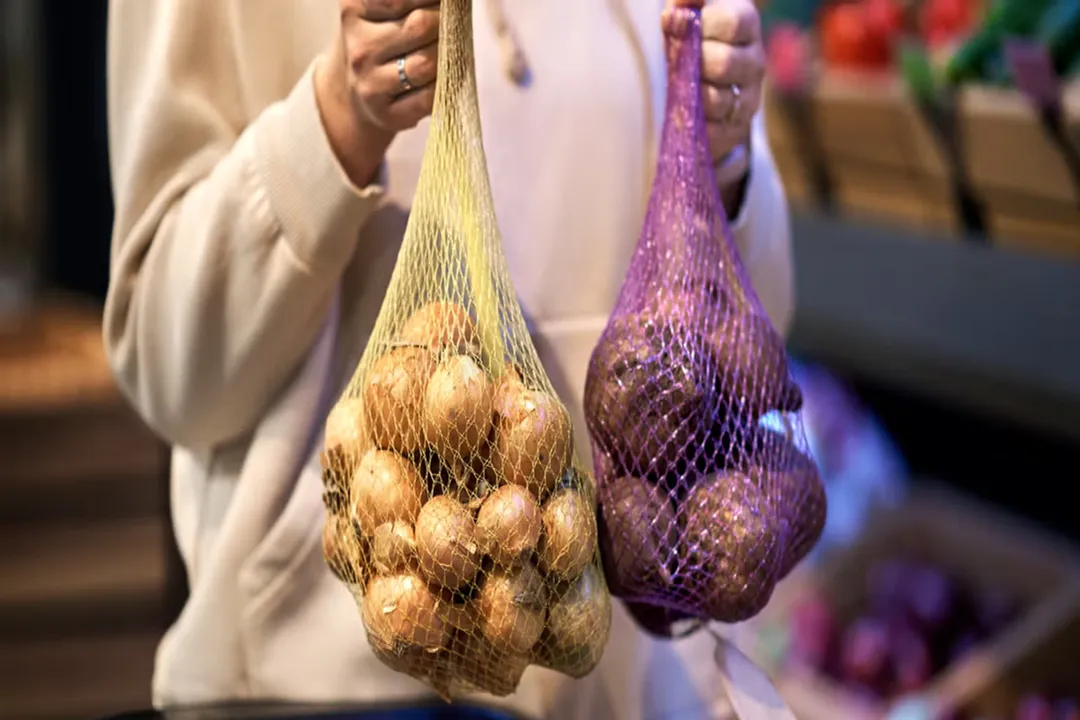
Onions, staples in nearly every global cuisine, often get overlooked as mere background flavor enhancers, but diving into their different varieties reveals a surprisingly nuanced world of nutritional benefits. While virtually all types of onions offer significant advantages for health, the specific pigments and concentrations of beneficial compounds mean that one color might edge out the others depending on what you are looking to maximize. It becomes less about finding the single best onion and more about understanding why you might choose a red over a white or yellow for a specific health goal. [4]
# Health Compounds
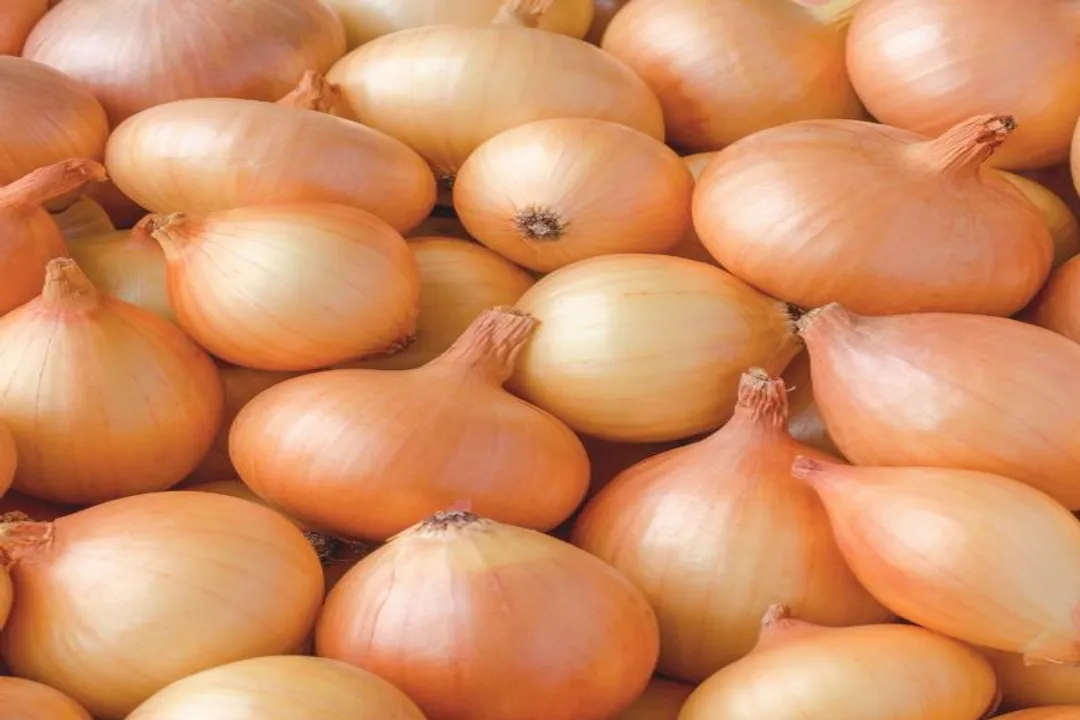
Every onion variety owes its fundamental health perks to the same basic chemistry: sulfur compounds and flavonoids. [4] These organic sulfur components are what give onions their characteristic pungent aroma and tear-inducing properties, and they are responsible for some of the most important documented health effects, such as potentially fighting cancer and improving heart health by helping to lower high cholesterol levels. [4] Furthermore, onions are known to help regulate blood pressure. [4]
The most famous flavonoid associated with onions is quercetin, a potent antioxidant found in many fruits and vegetables. [4] Quercetin is believed to contribute to the anti-inflammatory and heart-protective properties attributed to regular onion consumption. [4] Whether you are dicing a white onion for a quick salsa or slowly caramelizing a yellow one for soup, you are still tapping into this powerful antioxidant base. [1][5] The differences emerge when we look at the secondary, color-dependent pigments. [2]
# Color Clues
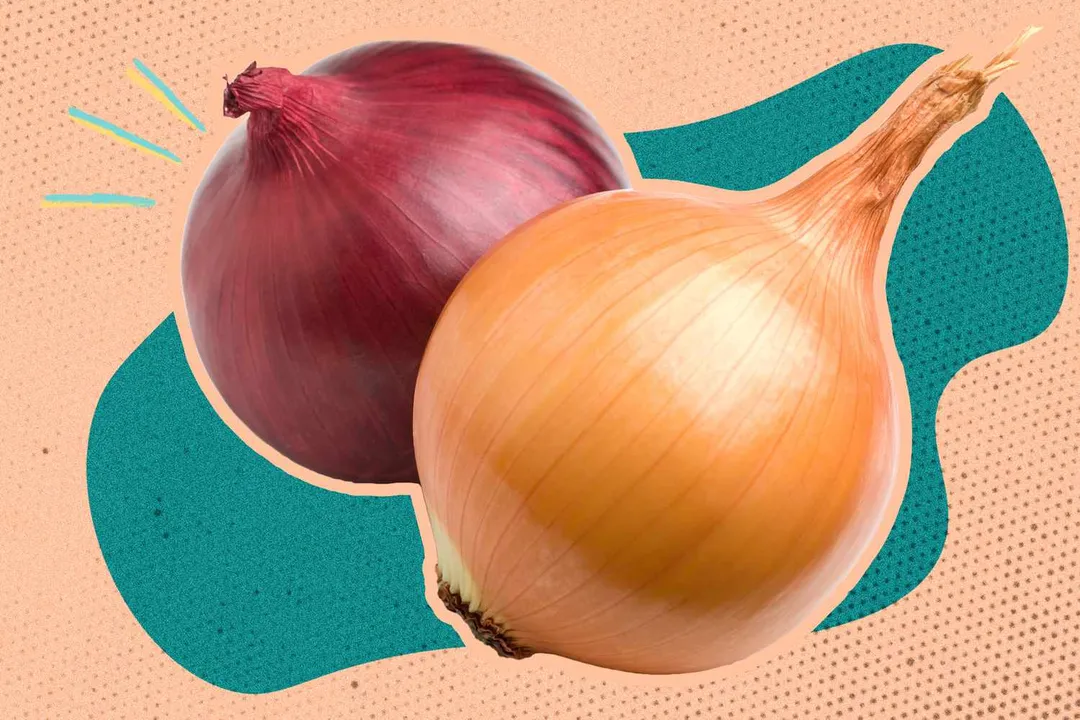
The shade of an onion is a direct visual cue to its concentration of certain protective plant compounds. For individuals prioritizing maximum antioxidant intake, the answer often leans toward the deeper hues. [1][2]
# Anthocyanin Richness
Red onions stand out because they contain anthocyanins, the same vibrant antioxidants that give blueberries, red cabbage, and blackberries their color. [1][2] These compounds are powerful antioxidants that support vascular health and have been associated with lower risks of heart disease. [2] Because the anthocyanins are concentrated in the outer layers and are responsible for the red/purple pigment, red onions generally register higher overall antioxidant activity when compared directly to their white or yellow counterparts in some studies. [2] If the goal is to consume the highest concentration of these specific, color-dependent flavonoids, the red variety has a clear advantage. [1][2]
# Comparison Chart
While the specific measurements can vary based on growing conditions and variety strain, here is a generalized comparison of what consumers often associate with each type, keeping in mind that any onion is a healthy choice: [6]
| Onion Type | Dominant Color Compound | Typical Flavor Profile | Best Consumption Method |
|---|---|---|---|
| Red | Anthocyanins, Quercetin | Mild, sweet | Raw (salads, sandwiches) [1][2] |
| White | Quercetin, Sulfur | Sharp, crisp | Raw (salsas, tacos) [1][5] |
| Yellow/Spanish | Quercetin, Sulfur | Pungent, versatile | Cooked (roasting, soups) [1][5][8] |
This distinction between raw and cooked application hints at a practical strategy: since the heat used in cooking can degrade some of the more delicate antioxidants like anthocyanins, consuming red onions raw ensures you reap the full benefit of that unique pigment. [2] Conversely, the robust sulfur compounds are often well-retained, or even slightly altered in a beneficial way, through slower cooking methods typical for yellow onions. [4] Therefore, your optimal health onion might change based on how you prepare your meal. [2]
# Flavor Uses
The health benefits are meaningless if the onion sits unused in the pantry, so balancing nutrition with culinary enjoyment is key. The intensity of flavor often dictates how frequently or in what context an onion is eaten, directly impacting overall intake of its beneficial compounds. [1]
# Raw Preference
Red onions are frequently cited as the sweetest and mildest of the common varieties when eaten raw, making them the preferred choice for adding crunch and color to salads or topping burgers and sandwiches without overwhelming other flavors. [1][9] White onions, while also good raw, tend to be sharper and more pungent than red ones, making them excellent when you need a stronger bite, such as in a fresh salsa or a taco topping. [1][5][9]
# Cooking Versatility
Yellow onions, often the most widely available and sometimes simply called brown onions, are the workhorses of the kitchen. [1][9] They possess a stronger, more pungent flavor when raw but mellow significantly when cooked, offering a rich, sweet base for nearly any savory dish, including stews, sauces, and roasting projects. [1][5] Spanish onions are often considered a type of large, mild yellow onion, appreciated for their firm texture that holds up well during cooking while still being relatively sweet. [8]
If we consider total intake across a week, the onion that suits your most frequent cooking style wins. For someone who frequently slow-cooks meals, a yellow onion eaten often might deliver more total quercetin over time than an occasional raw red onion salad. [4] This demonstrates that the "best" onion is often the one that fits best into your existing diet pattern. [6]
# Beyond the Bulb
While the focus is usually on the mature, round onions, their close relatives also pack a powerful punch. Spring onions, or scallions, which are harvested before the bulb fully develops, are also excellent sources of nutrition. [3] These lighter green stalks provide a delicate flavor and are easily incorporated into numerous dishes, adding another dimension to your allium intake. [3] Similarly, shallots, which share characteristics with both garlic and onions, contain valuable compounds and should not be dismissed in the search for varied health advantages. [3] Thinking of the entire allium family—chives, leeks, garlic, and all onion colors—offers a broader spectrum of protective compounds. [4]
# Maximizing Intake
When synthesizing the data—that red onions have the edge in specific antioxidants (anthocyanins) but are best eaten raw, while yellow/white onions are versatile and high in general beneficial compounds—a clear strategy emerges for the health-conscious cook. It is prudent to embrace variety not just for flavor, but for a fuller nutritional profile. For instance, if you are preparing a hearty beef stew that demands long cooking times, use a yellow onion base, knowing the sulfur compounds will thrive. However, for your midday sandwich or a fresh evening salad, always reach for the red onion to get that dose of anthocyanins. [2] This rotational approach ensures you are consistently hitting different nutritional targets throughout the week, which is arguably more beneficial than focusing exclusively on one variety. Furthermore, when preparing any raw onion, consider slicing it thinly and allowing it to soak briefly in cold water; this process mellows the harsh sulfur compounds, making it easier to consume larger quantities without the intense pungency, thereby increasing your overall intake of healthy flavonoids in one sitting. [9]
Ultimately, while the red onion often wins the title for having the highest concentration of unique, intensely colored antioxidants like anthocyanins, the true health champion is the onion you consistently choose to eat, prepared in a way that preserves its key benefits. [1][2][4]
Related Questions
#Citations
Red Onion Vs. White Onion: Which Is Healthier, According to Dietitians
This Is The Healthiest Type Of Onion (No, They're Not All The Same)
Onion Varieties Nutrition Guide - Dole
Onions: Health Benefits and Nutrition - WebMD
Benefits of different onion types for health - Facebook
Which type of onion has more vitamins: yellow, white, or red? - Quora
What kind of health benefits can onions have??? - Reddit
Spanish Onion Vs Yellow Onion - E. Armata Inc.
Red Onion vs. Yellow Onion: An Expert Explains the Difference
Are You Using the Right Onions? - Avera Health