Do baked potatoes have any health benefits?
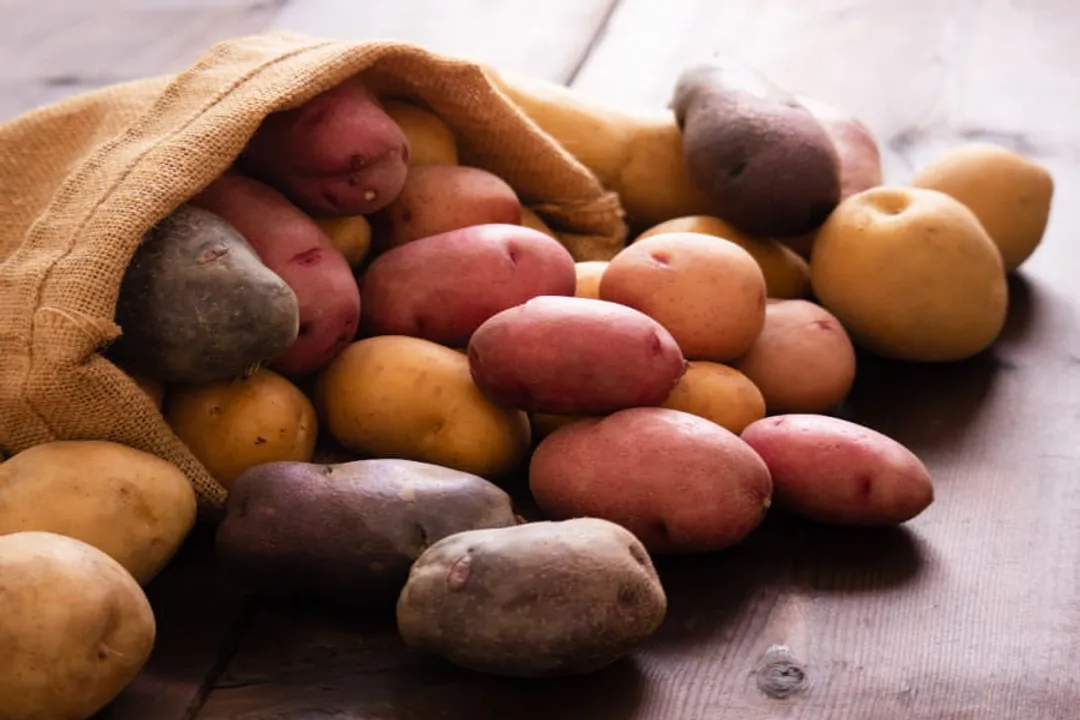
The humble baked potato, often maligned in dietary conversations, possesses a surprisingly strong nutritional profile when prepared simply. Far from being mere empty carbohydrates, these starchy tubers deliver essential vitamins, minerals, and dietary fiber that contribute positively to overall health. [1][8] Shifting the focus from fears about white starches to an appreciation of the potato’s innate composition reveals a food that absolutely belongs in a balanced eating pattern. [4][5]
# Mineral Content

One of the most significant contributions of the baked potato is its mineral density, particularly concerning the electrolyte potassium. [2][6] A single medium-sized baked potato, eaten with its skin, can offer a substantial amount of potassium, sometimes rivaling or even exceeding the amount found in a banana. [8] This mineral is vital for maintaining healthy blood pressure levels because it helps the body manage the negative effects of sodium. [6][8] Since potatoes are naturally low in sodium and contain no cholesterol, they make an excellent addition to diets aimed at supporting cardiovascular wellness. [8]
# Essential Vitamins
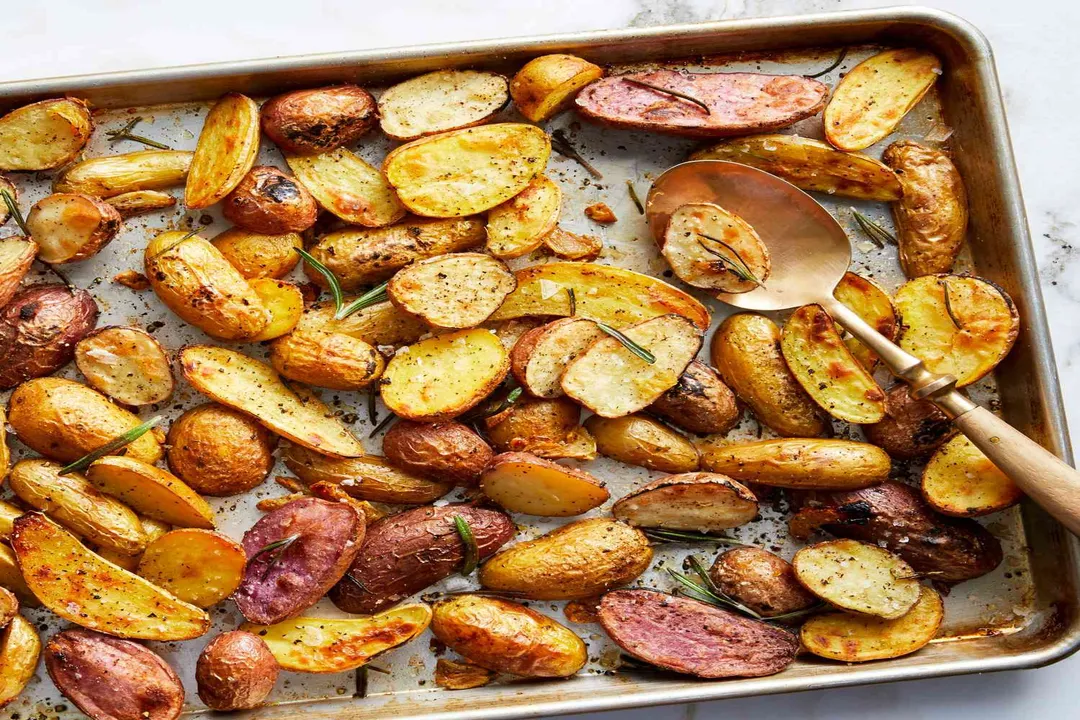
Beyond potassium, the baked potato serves as a decent source for several critical micronutrients that support various bodily functions. [2][8] For instance, they provide a good dose of Vitamin C, which is an important antioxidant that aids in immune function and collagen formation. [2][8] Furthermore, potatoes are a source of Vitamin B6, a nutrient essential for hundreds of chemical reactions in the body, including protein metabolism and the creation of red blood cells and neurotransmitters. [2][8] When you consider these vitamin and mineral contributions alongside the energy provided by complex carbohydrates, the potato starts looking less like a dietary foe and more like a nutritional workhorse. [8]
# Skin Fiber
When discussing the health benefits of a baked potato, the skin cannot be overlooked; it is where a significant portion of the dietary fiber resides. [1][8] Eating the potato with the skin provides a healthy dose of fiber, which is crucial for digestive regularity and promoting satiety, helping you feel full longer. [2][8] Fiber intake is often lower than recommended in many modern diets, making simple additions like the potato skin a practical way to bridge that gap. [1] The skin contains both soluble and insoluble fiber types, which work together to support gut health. [1]
# Glycemic Response
The primary concern many people have regarding potatoes revolves around their effect on blood sugar levels, often referencing a high Glycemic Index (GI). [1][5] It is true that potatoes, especially when baked plain and eaten hot, tend to have a higher GI rating, meaning they can cause a faster rise in blood sugar compared to low-GI foods. [1][2] However, focusing only on the index can be misleading; a more insightful metric to consider is the Glycemic Load (GL), which accounts for both the GI and the serving size. [5] A large baked potato might have a high GI, but a moderate portion size results in a moderate GL. [5]
The way you prepare and top your potato dramatically influences this blood sugar response. [1][2] For example, allowing a baked potato to cool down before eating allows some of its starch to convert into resistant starch, a type of fiber that behaves more like insoluble fiber and is not fully digested, thereby leading to a lower overall blood sugar impact. [1] Adding healthy fats, protein, or vinegar-based toppings—like a dollop of plain Greek yogurt or a drizzle of olive oil—can also slow down digestion and temper the blood sugar spike. [2][5] Think of it this way: eating a baked potato plain is like hitting the accelerator briefly; adding toppings is like applying the brakes gently. [5]

# Preparation Effects
The preparation method is perhaps the single most defining factor in whether a potato contributes positively or negatively to a diet. [2][5] Baking is generally considered superior to deep-frying because frying adds significant unhealthy fats and calories. [2][5] When you bake a potato—ideally directly on the rack or in foil without added fats—you are maximizing the retention of nutrients like Vitamin C while minimizing unnecessary caloric additions. [1][8]
Consider the difference between a skin-on baked potato topped with herbs, Greek yogurt, and chives versus a plate of french fries drowned in cheese sauce. While both start as potatoes, the final nutritional profiles are worlds apart. [5] The baked version retains its potassium, fiber, and B vitamins while maintaining a relatively low-fat profile. [1][8]
| Nutrient Focus | Primary Benefit | Best Consumed With... |
|---|---|---|
| Potassium | Blood Pressure Support | Minimal added sodium [8] |
| Fiber (Skin) | Digestive Health, Satiety | Skin left on [1][2] |
| Vitamin C | Antioxidant Support | Eaten without over-boiling [2] |
| Complex Carbs | Energy Source | Protein/Fat to slow absorption [5] |
# Incorporating Potatoes Well
For those looking to actively manage their heart health, the baked potato offers a versatile, naturally low-sodium vehicle for other beneficial foods. [6][8] Instead of reaching for highly processed snacks, a baked potato topped with salsa, cottage cheese, or simply steamed broccoli and a sprinkle of pepper offers complex energy, fiber, and that essential potassium boost. [8]
A practical tip for maximizing enjoyment without compromising health goals involves controlling the portion size based on your overall daily carbohydrate allowance, not just its inherent GI score. If your goal is blood sugar stability, treat the potato as your main carbohydrate source for that meal, ensuring you balance it with a significant source of lean protein and non-starchy vegetables. [5] For example, one medium baked potato paired with a large serving of grilled fish and a side salad creates a complete meal where the potato's starch is balanced by fiber and protein, keeping the overall energy release steady. [5] This approach acknowledges the potato’s natural nutritional assets while respecting the context of the entire meal composition. [4] Potatoes are not inherently fattening; rather, the typical heavy additions—sour cream, butter, bacon bits—are what pack on the calories and saturated fats. [1][5]
Related Questions
#Citations
Are Baked Potatoes Healthy? Nutrition, Benefits, and ...
Health Benefits of Potatoes
The health benefits of baked potatoes are underrated. 🫶 ...
Do you think baked potatoes are part of a balanced diet?
It's OK to say 'yes' to potatoes
Looking to Boost Your Heart Health? Try a Baked Potato
What Happens to Your Body When You Eat Potatoes
Potato Nutrition Facts | Nutrients, Calories, Benefits of a ...
Pass the potatoes, or take a pass? Here's expert advice