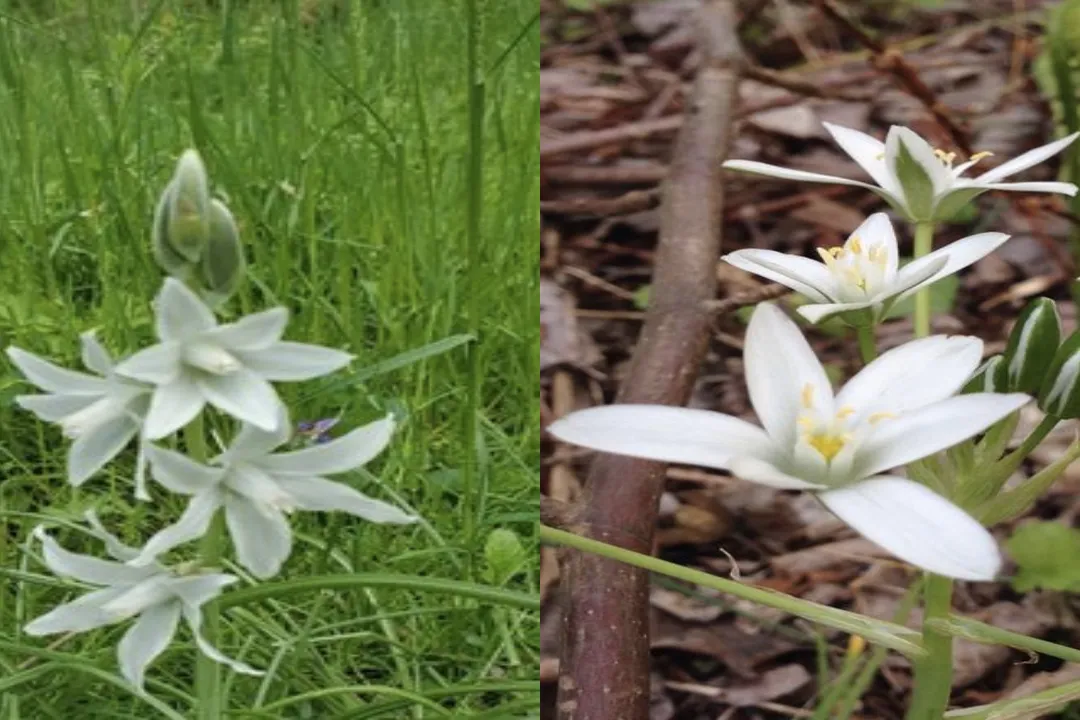
What is the safest disposal method for excavated *Ornithogalum* clumps when local composting might not reach high enough temperatures?
Sealing the entire clump—bulbs, roots, and foliage—in a sturdy trash bag for the landfill
Disposing of excavated *Ornithogalum* material requires special consideration because the toxins within the plant tissues, including the bulbs, remain potent even after removal from the ground. Simply adding the material to a standard compost bin or yard waste pile poses a risk if the local composting facility does not employ high-heat, extended decomposition processes, as the bulbs might survive and potentially reintroduce the contaminant back into garden soil. Therefore, the safest procedure for small-scale removal involves placing the entire excavated mass—bulbs, roots, and foliage—into a durable trash bag that is securely sealed and designated for transport to a landfill, thereby ensuring the toxins are completely removed from the local ecosystem.