How does *Ornithogalum* aggressively reproduce, contributing to its persistence as a garden problem?
Answer
Through the production of offsets, creating dense clusters of small bulbs underground
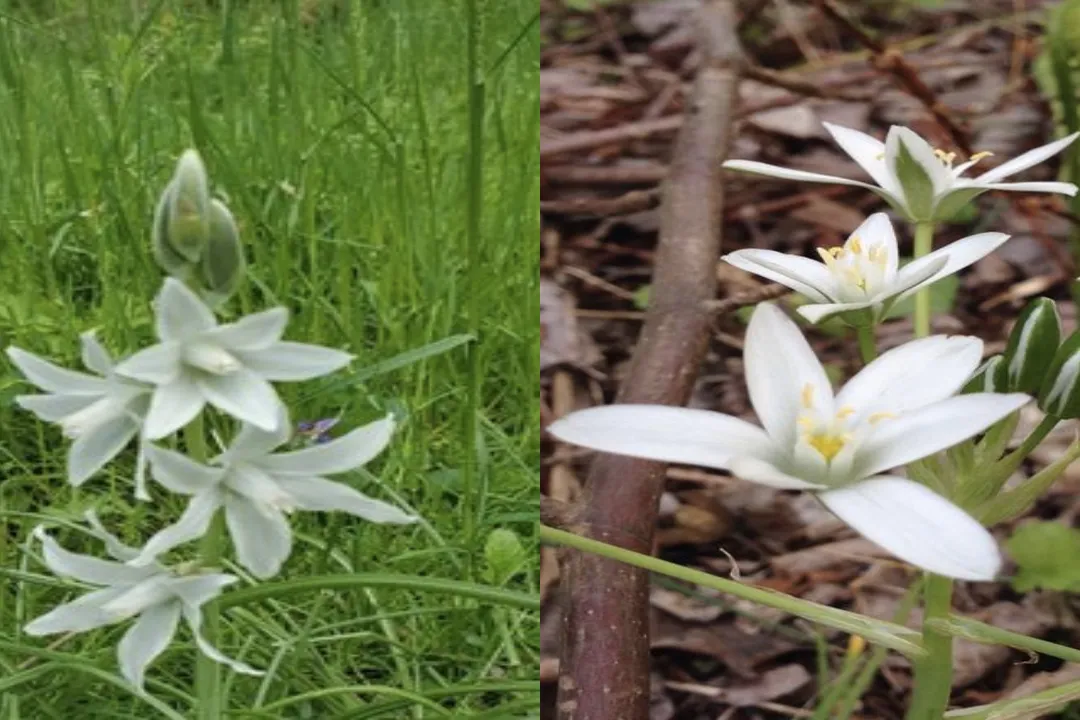
The persistent nature of *Ornithogalum* as a problematic weed in lawns and disturbed areas is directly linked to its reproductive strategy. This genus, particularly *O. umbellatum*, reproduces aggressively beneath the soil surface. Instead of relying solely on seeds, the plant generates numerous small bulbs, referred to as offsets, which form dense clusters connected to the parent bulb structure. This underground multiplication makes eradication difficult, as disturbing the soil merely spreads these viable, toxic bulbs around, ensuring the plant's return season after season unless all subterranean structures are meticulously removed.
Related Questions
What toxic constituents are documented specifically in *Ornithogalum umbellatum*?Which part of the *Ornithogalum* plant is frequently highlighted as particularly dangerous due to its concentrated toxins?What cardiac symptom has been observed in livestock like cattle after consuming *Ornithogalum*?What visual marker characterizes the white, star-shaped flowers of *Ornithogalum umbellatum* on their outer surface?What is the recommended common approach for controlling invasive *O. umbellatum* in a home garden setting?What is the safest disposal method for excavated *Ornithogalum* clumps when local composting might not reach high enough temperatures?Why does the hazard from *Ornithogalum* persist even after the foliage dries out for the season?What other common spring bulbs might the six-petaled, star-shaped flower of *Ornithogalum* vaguely resemble, leading to potential misidentification?How does *Ornithogalum* aggressively reproduce, contributing to its persistence as a garden problem?What primary symptoms are noted in livestock after consuming the foliage or bulbs of *Ornithogalum*?