What do particulates do to humans?
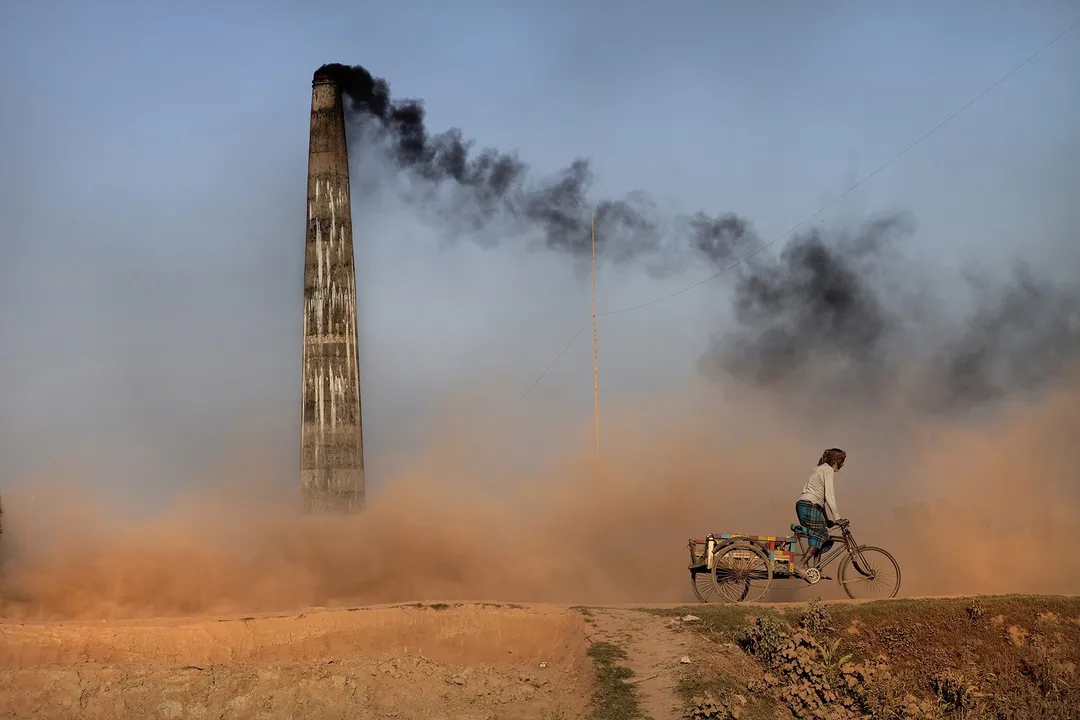
The air around us carries more than just oxygen; it suspends a complex mixture of tiny solid particles and liquid droplets known as particulate matter, or PM. [5][9] These specks are so small that they can float in the atmosphere for days or weeks, making them an invisible yet pervasive health concern. [5] Understanding what these particulates do to the human body requires looking closely at their size, because it dictates how deeply they can penetrate our defenses. [1][5]
# Size Matters

Particulate matter is categorized primarily by the diameter of its particles, which is often measured in micrometers (m). [1][3] The two most commonly discussed categories are PM10 and PM2.5. [1]
PM10 refers to particles that are 10 micrometers in diameter or smaller. [3][5] Think of the dust kicked up from a gravel road or pollen—these are typical examples of PM10. [3] Because they are relatively larger, our body’s natural defense mechanisms—like the hairs in our nose and throat—are usually effective at filtering these out before they reach the sensitive lower airways. [1]
The real danger lies with PM2.5, particles measuring 2.5 micrometers or less in diameter. [1][3] To put this into perspective, PM2.5 is approximately one-thirtieth the diameter of a human hair. [1] This minute size means that when inhaled, these fine particles bypass upper respiratory defenses and burrow deep into the lungs. [1][5]
| Particle Type | Diameter (m) | Typical Sources | Depth of Penetration |
|---|---|---|---|
| PM10 (Coarse) | Dust, construction, pollen | Upper respiratory tract, throat [3][5] | |
| PM2.5 (Fine) | Combustion, vehicles, smoke | Deep lung tissue, bloodstream [1][5] |
It is important to recognize that PM is not just one substance; it is a chemical soup composed of various elements, including sulfates, nitrates, organic carbon, elemental carbon, and heavy metals. [5] The specific chemical composition can influence the toxicity upon deposition. [5]
# Invisible Travel
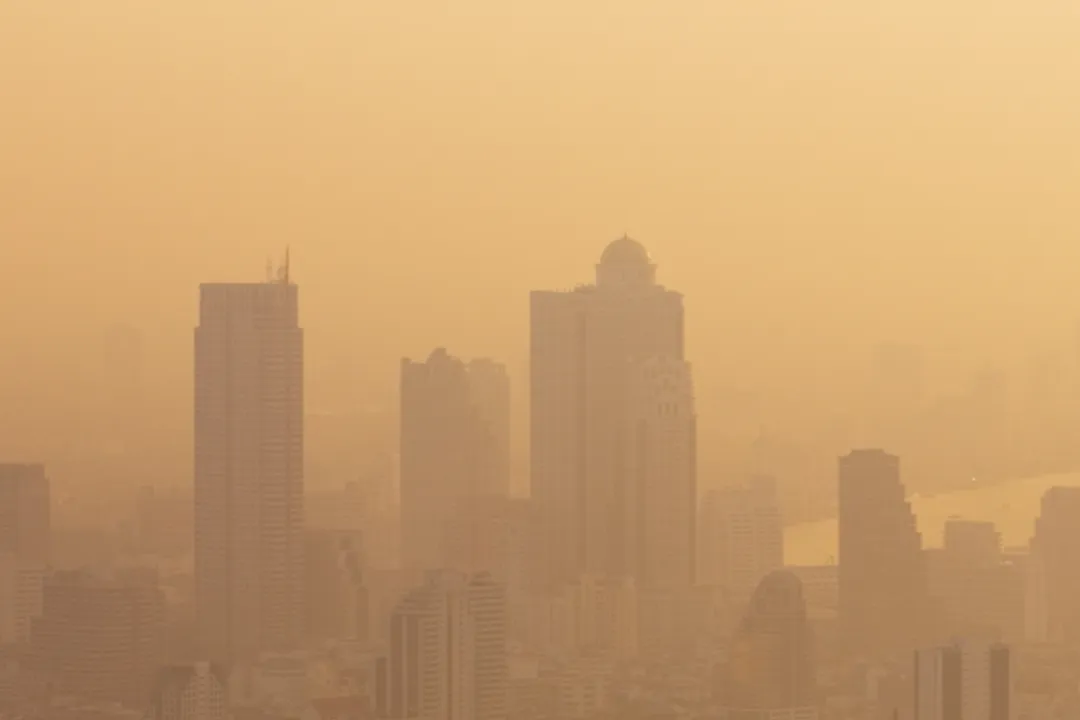
Once PM2.5 lodges itself deep within the delicate air sacs (alveoli) of the lungs, the body struggles to expel it. [2] Inhaled particles can trigger localized inflammation as the immune system attempts to clear the foreign substance. [2] However, the mechanism of harm extends far beyond the lungs themselves. [1][5]
Because PM2.5 particles are so tiny, they can cross the barrier between the lungs and the circulatory system, entering the bloodstream directly. [1][5] This systemic distribution means that particulate pollution affects virtually every organ system in the body, turning a supposed respiratory issue into a body-wide problem. [6] This intrusion initiates widespread oxidative stress and inflammation throughout the vascular system. [2]
# Lung Damage
The immediate and most apparent effects of particulate exposure are felt in the respiratory system. [1] Exposure can cause immediate symptoms such as coughing, shortness of breath, and irritation of the airways. [1][6]
For individuals with pre-existing lung conditions, the effects are often more severe and immediate. [1][6] Particulate pollution can trigger asthma attacks, exacerbate chronic bronchitis, and worsen symptoms of emphysema. [1] Even short-term exposure to elevated levels has been linked to reduced lung function. [1] Chronic exposure over many years can lead to the development of these very diseases in otherwise healthy individuals. [6] The lungs essentially become chronically irritated, leading to scarring or permanent structural changes over time. [2]
# Systemic Threat
The inflammation that begins in the lungs does not remain isolated. As fine particles enter the circulation, they contribute to systemic inflammation, which is a known precursor to numerous severe chronic illnesses. [2]
One of the most concerning consequences involves the cardiovascular system. [1][5] When particulates circulate, they can affect the integrity of blood vessels, increasing blood pressure and promoting the formation of blood clots. [6] This heightened risk translates directly into increased incidents of heart attacks and strokes, even among healthy people, particularly during periods of high pollution. [1][6] Furthermore, studies have linked PM exposure to adverse birth outcomes and impacts on brain development. [6]
It is interesting to observe that while the general public often associates poor air quality with visible smog affecting the lungs, research increasingly points to the heart being the target organ most immediately vulnerable to the consequences of PM2.5 infiltration into the blood. [5][6] This suggests that air quality monitoring should perhaps place equal, if not greater, weight on cardiovascular risk indicators when assessing daily danger levels.

# Sources Defined
Particulate matter originates from both natural events and human activities. [5] Understanding these origins helps contextualize when and where exposure is highest. [3]
Major outdoor sources include:
- Combustion Processes: Vehicle exhaust, emissions from power plants, and industrial facilities burning fossil fuels are primary contributors. [1][5]
- Natural Sources: Windblown dust, sea spray, and smoke from wildfires or prescribed agricultural burns contribute significantly, especially geographically or seasonally. [1][3]
- Secondary Formation: Some fine particles form in the atmosphere when gases (like sulfur dioxide or nitrogen oxides from industrial sources) react with other substances. [5]
While outdoor air quality dominates public health discussions, indoor air quality also presents a significant exposure pathway. [4] Inside homes and offices, activities like cooking, particularly frying or broiling food, can release surprisingly high concentrations of PM2.5. [4] Other indoor contributors include tobacco smoke, burning candles or incense, and emissions from unvented heating sources. [4] It is a common oversight that while outdoor AQI standards are strictly regulated, indoor air quality often goes unchecked, creating a localized exposure bubble that can exceed outdoor limits during certain daily routines. [4]
# Vulnerable Groups
While everyone breathing polluted air suffers some degree of harm, certain populations face disproportionately higher risks from particulate exposure. [6]
These groups include:
- Children: Their lungs are still developing, they breathe more air relative to their body weight than adults, and they often spend more time outdoors engaged in strenuous activity. [1]
- The Elderly: Older adults often have underlying cardiovascular or respiratory conditions that make them less able to cope with the added stress of inflammation caused by PM exposure. [6]
- Individuals with Existing Conditions: People diagnosed with asthma, chronic obstructive pulmonary disease (COPD), or heart disease are highly susceptible to acute exacerbations triggered by poor air quality. [1]
Regulators attempt to manage public risk through air quality indices (AQI), which provide clear alerts when PM concentrations cross established safety thresholds. [1] These systems are critical for providing actionable, real-time information so vulnerable individuals can adjust their behavior, such as limiting time outdoors or reducing strenuous activity when pollution levels peak. [1]
If you live in an area prone to wildfire smoke or heavy traffic congestion, paying close attention to the PM2.5 readings—not just the general AQI—is crucial for personal health management. [3] For instance, when smoke is present, even if the AQI shows moderate risk based on ozone levels, the particulate level alone warrants caution, especially for those with sensitive respiratory systems. Taking proactive steps, such as ensuring your home HVAC system uses a MERV 13 filter or better, can significantly reduce the internal exposure load even when the outside world is compromised. [4]
Related Questions
#Citations
Particle Pollution | American Lung Association
Clearing the Air: A Review of the Effects of Particulate Matter ... - NIH
Inhalable Particulate Matter and Health (PM2.5 and PM10)
Particle Pollution and Health - New York State Department of Health
What is particulate matter and what are its effects on human health?
Health Impacts of Air Pollution - World Health Organization (WHO)
Particulates that Matter | Harvard Medicine Magazine
Particulate Matter Effects on Health - Air (U.S. National Park Service)
Fine particles | Minnesota Pollution Control Agency