What components in ginger are responsible for aggressively stimulating the digestive lining leading to overuse side effects?
Answer
Pungent, volatile oils and phenols
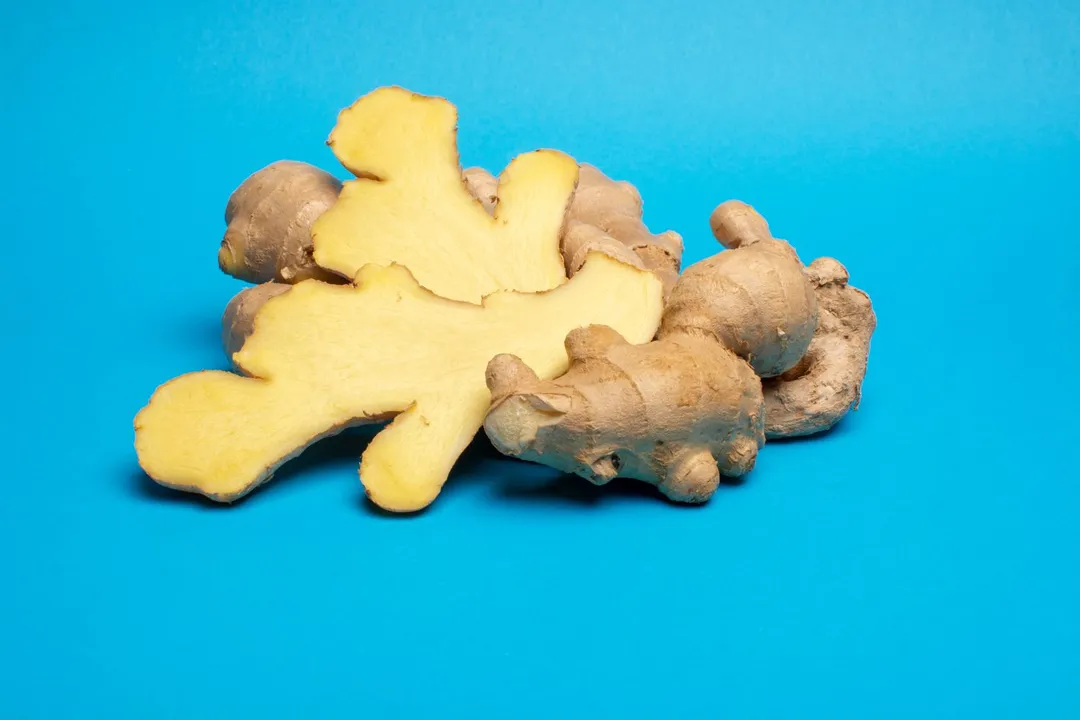
The very chemical constituents that grant ginger its beneficial therapeutic qualities—specifically its strong flavor and health-supportive characteristics—are also the culprits behind digestive irritation when intake is excessive. These components are identified as the pungent, volatile oils and phenols present in the root. When these substances are present in large quantities, they act too aggressively on the sensitive lining of the digestive tract, leading directly to the predictable unwanted outcomes, most notably heartburn and diarrhea.
Related Questions
What specific gastrointestinal complaint involving stomach acid reflux is commonly reported with high ginger intake?Which specific drug classes necessitate caution due to ginger potentially inhibiting platelet aggregation?What intake level of dried ginger per day is suggested as a reasonable maximum for most healthy adults?What components in ginger are responsible for aggressively stimulating the digestive lining leading to overuse side effects?What specific danger might arise when combining high-dose ginger with diabetes medications?How does consuming concentrated extracts compare to grating a small amount into soup regarding exposure level?What is a possible manifestation of an allergic reaction to ginger when it touches the skin?What type of ginger consumption during pregnancy requires careful consideration, ideally involving healthcare consultation?According to the risk analysis table, what is the primary concern when using ginger for Joint Pain/Inflammation?What practical self-monitoring action is recommended when starting ginger supplementation for personal data collection?Besides heartburn and bloating, what is another documented potential outcome of excessive ginger intake on the bowels?