How does harvesting onion grass provide tangible, real-world educational value for children?
Identifying the plant by scent and processing it for food connects them directly to their local environment and promotes sustainable habits.
Harvesting wild edibles like onion grass serves as an excellent, practical educational tool for engaging younger individuals with the natural world and the practice of foraging. The plant’s identification process is immediately rewarding for children because the distinctive, strong onion or garlic smell provides instant positive feedback upon finding a patch. By teaching children to use this sensory input—the scent—to correctly identify the plant, and then involving them in the subsequent steps of preparing the harvested parts for food, it creates a direct, tangible connection to their immediate local environment. This experience encourages the development of sustainable habits by demonstrating that something often viewed as an invasive weed requiring chemical control can instead be valued and utilized as a resource.
#Videos
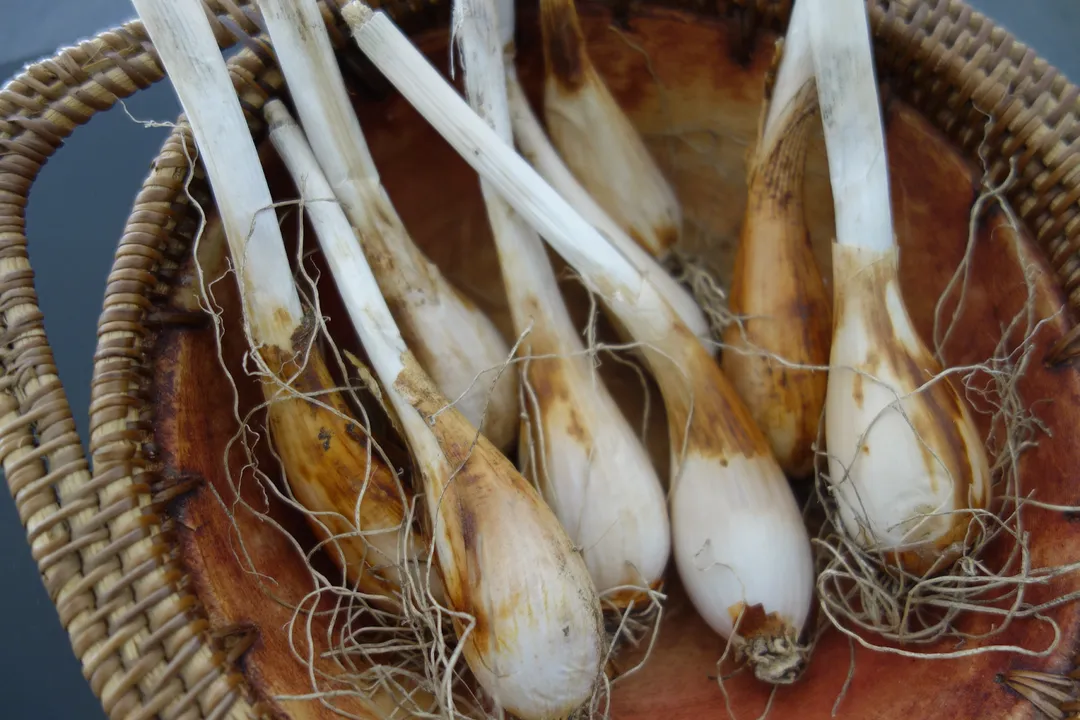
Edible Onion Grass / Crow Garlic / Field Garlic (Allium vineale)