What are the benefits of boiling onion peels?
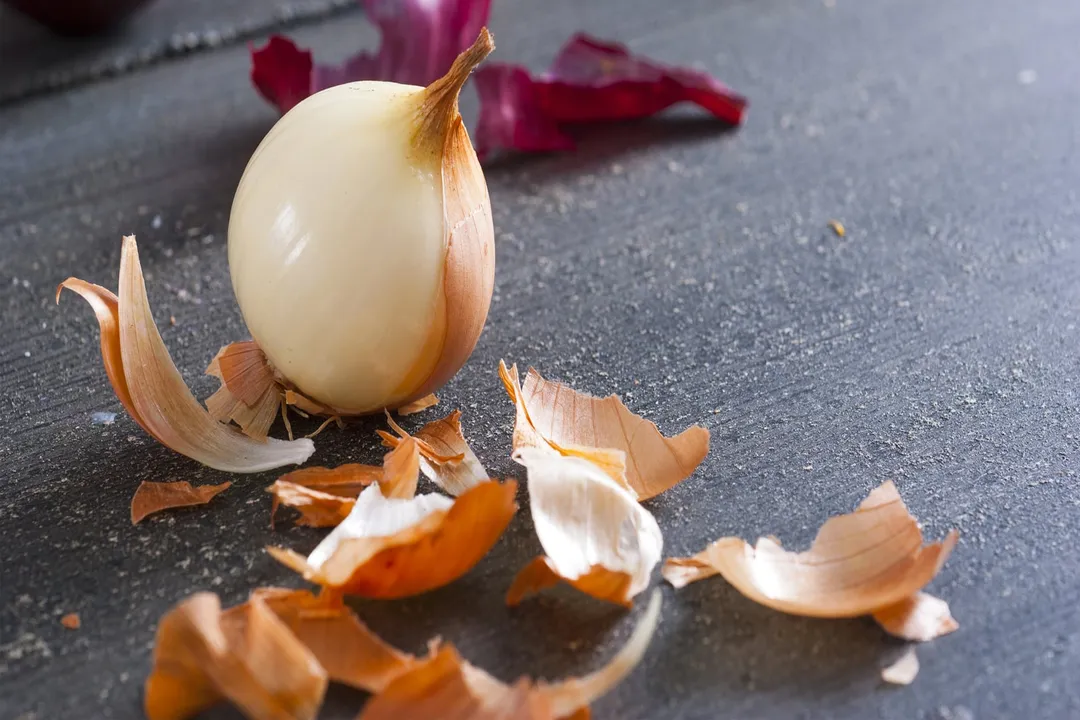
Discarding onion skins after preparing vegetables might be one of the most common culinary oversights, yet these papery layers hold a surprising concentration of beneficial compounds that warrant keeping them out of the trash. [1][2] Many people toss the dry, papery outer layers without a second thought, assuming they are merely waste, but they are actually rich in pigments and active ingredients that offer advantages both in the kitchen and beyond. [2][4] Boiling these peels is one of the simplest ways to extract their value, transforming what was headed for the compost bin into a potent tea or a natural coloring agent. [1][5]
# Antioxidant Power

The primary benefit associated with consuming onion peels revolves around their high concentration of antioxidants. [4] These compounds work to combat the presence of harmful free radicals in the body, which are unstable molecules that can damage cells over time. [7] The specific type of flavonoid that onion skins are famous for is quercetin. [1][2][4]
# Quercetin Concentration
Quercetin is a well-studied plant pigment known for its potent anti-inflammatory and antioxidant capabilities. [4][7] Studies have indicated that the concentration of these beneficial flavonoids is often significantly higher in the outer rings and skins of the onion compared to the inner, edible flesh. [4] When you boil the peels, you are essentially creating an infusion rich in these beneficial micronutrients, which can then be absorbed by the body. [1] Think of the peel as the onion’s natural protective layer; this armor is built from powerful chemical compounds designed for defense, and those same compounds can potentially benefit human health. [7]
This concentration difference is an important distinction. If one is strictly aiming for antioxidant intake, preparing a small amount of concentrated peel-tea might provide a higher dose of specific flavonoids than simply consuming a large amount of raw onion flesh, where most of the material is water and structural carbohydrates. [4]
# Digestive Health Support
While the direct evidence for treating specific ailments through peel tea is often anecdotal, the general promotion of anti-inflammatory compounds is linked to better overall bodily function, including potentially easing discomfort associated with inflammation. [4] Furthermore, the fiber content, though generally low in the steeped water, contributes to general digestive health when considering the peels as part of a whole food cycle, like adding them to homemade broth. [2]
# Culinary Applications

Beyond personal wellness, boiling onion peels offers fantastic practical uses right in the kitchen, especially for adding visual appeal and depth of flavor to other dishes. [2]
# Natural Food Coloring
One of the most visually satisfying uses for boiled onion skins is their ability to act as a natural dye. [5] Depending on the onion variety—red or yellow—the resulting liquid can range from a pale gold to a deep, rusty orange-brown. [2]
A simple, actionable tip for home cooks is to use this colored water instead of plain water when cooking things that absorb color well, such as rice or pasta. [5] If you simmer a handful of yellow onion peels in four cups of water for fifteen minutes, strain it well, and then use that liquid to cook one cup of white rice, the grains will absorb a beautiful, subtle golden hue. [1] This technique adds a layer of visual interest without introducing artificial colors or strong, overpowering onion flavor, provided you strain the liquid thoroughly. [2]
# Broth Enhancement
When making homemade chicken, beef, or vegetable stock, tossing in a small handful of clean onion peels adds depth, color, and an extra layer of nutrients to the final product. [2] The skins release tannins and other compounds that contribute to the rich, savory color that many associate with a well-simmered broth. It’s an excellent way to ensure that the nutrients are not lost but are instead integrated into a component of cooking used across many meals. [2]
# Garden and Home Uses
The utility of the peels doesn't stop at consumption or food coloring; they can also be cycled back into the home and garden environment. [2]
# Soil Amendments
Onion peels, like other vegetable scraps, are excellent additions to a compost pile. [2][3] They break down over time, adding organic matter and trace minerals back to the soil. If you are looking for a quick nutrient boost without waiting for full composting, you can create a "compost tea" specifically from the peels. After boiling them for tea, instead of discarding the strained peels, let them steep further or blend them slightly before adding them directly to the base of established, non-root vegetables like tomatoes or peppers. [3]
An interesting side observation is the difference in material integrity. Red onion skins tend to break down into a finer, almost pulpy mass when steeped heavily, making them easier to blend into liquid fertilizer applications compared to the sometimes tougher, drier yellow onion skins. This might mean yellow skins are better suited for a simple compost pile, while red skin liquid is superior for direct soil watering. [5]
# Natural Pest Repellents
Though less frequently cited than their nutritional value, some gardeners have noted that the strong sulfur compounds in onion-based liquids can act as mild deterrents for certain garden pests when sprayed lightly on leaves. [2] This is a gentle, organic approach to garden care, contrasting sharply with synthetic chemical sprays.
# Preparing and Consuming the Tea
Creating the infusion is straightforward, but attention to sourcing and preparation can maximize the benefits and ensure safety. [1]
# Sourcing and Cleaning
It is crucial to only use the dry, papery outer layers of the onion, not the fleshy layers you intend to eat. [1] Always make sure to thoroughly rinse the onions before peeling them to remove any dirt or residue that might otherwise end up in your tea. [1] Do not use peels from onions that have been treated with excessive pesticides, as boiling will not remove chemical residues. [4]
# Steeping Technique
The general guideline for making the tea involves simmering the clean peels in water for approximately ten to fifteen minutes. [1] The exact time can vary based on how strong you prefer the infusion. Some sources suggest that a longer steep time extracts more compounds, though you must be careful not to over-boil, which can degrade some delicate antioxidants. [7] After steeping, strain the liquid to remove all the solid peel material before drinking. [1]
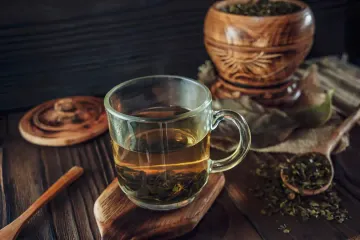
The resulting liquid can be consumed warm, much like regular tea, or chilled and drunk later. [1] If you find the flavor too earthy or strong, adding a slice of lemon or a small amount of honey can improve palatability, similar to how one might adjust standard herbal tea. [4] Remember that the goal here is to extract compounds, not to create a flavorful culinary broth, so intensity might be higher than expected.
| Onion Type | Primary Color Yield (Dye) | Known Major Flavonoid | Best Culinary Use of Peel |
|---|---|---|---|
| Yellow | Golden to Orange-Brown | Quercetin | Broth color/nutrient addition [2] |
| Red | Deeper Reddish-Brown | Quercetin, Anthocyanins | Dyeing rice or pasta subtly [5] |
This practice of using the entire vegetable—root to peel—aligns with a philosophy of minimizing food waste while maximizing nutritional intake from accessible, inexpensive sources. [2] It turns a simple byproduct into a functional ingredient, enriching your cooking and gardening efforts with very little extra work. [3]
#Videos
You'll Never Throw Away Onion Skin After Working This Drink
Related Questions
#Citations
Save Those Onion Peels! Tea Made From Them Can Powerfully ...
10 Good Reasons To Save Those Onion and Garlic Skins
You'll Never Throw Away Onion Skin After Working This Drink
6 lesser-known benefits of onion peels - Times of India
Transform Onion Peels into Natural Remedies - TikTok
Onion skins for health (and more) - The Old Farmer's Almanac
Effect of onion peel extract supplementation on the lipid profile and ...
Are there any benefits of leaving the skin on onions/garlic in a stew ...
Top 6 Reasons to Keep Garlic Peels and Onion Skins - Dr. Axe