Why do I feel so good after eating onions?
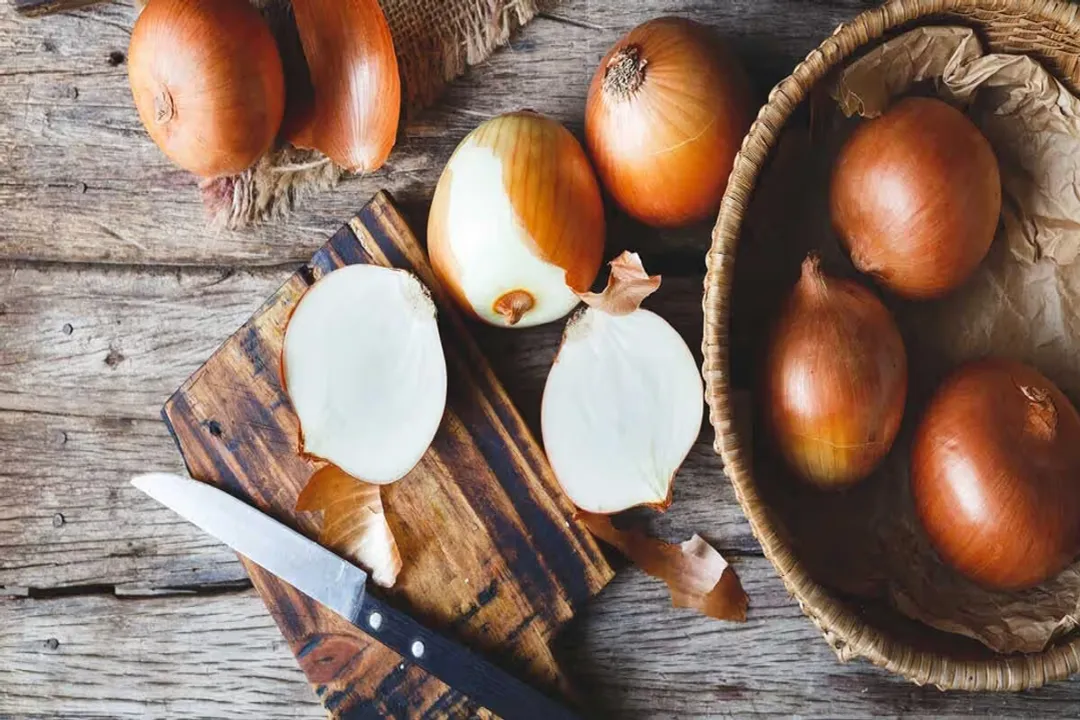
The moment that satisfying, sharp bite of onion hits your palate—whether it's the raw crunch in a fresh salsa or the deep, mellow sweetness of a slowly caramelized layer—there’s often an undeniable lift that follows. For those who genuinely appreciate this powerful allium, the feeling isn't just about taste satisfaction; it seems tied to a profound sense of well-being that goes deeper than mere culinary enjoyment. This positive internal response is likely rooted in the complex, concentrated biochemistry packed within this common kitchen staple, which researchers are increasingly confirming provides measurable benefits to the human body. [2][4]
# Potent Compounds
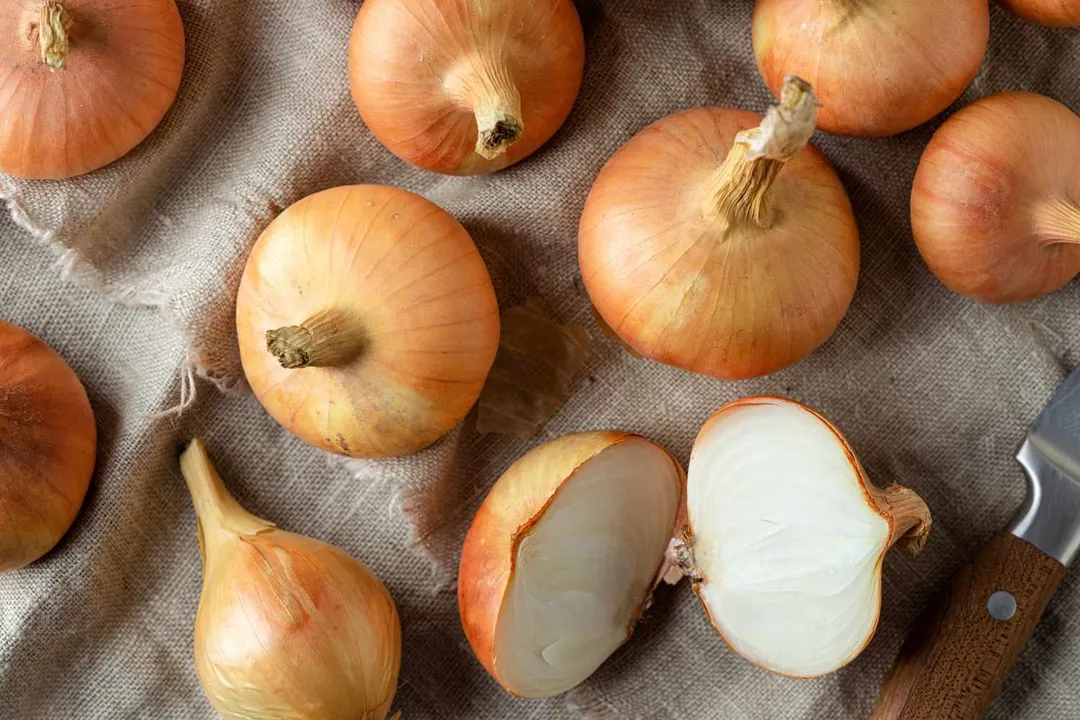
Onions are far from nutritionally simple. They are members of the Allium genus, related closely to garlic and leeks, yet they carry a unique profile of protective plant chemicals. [2][3] The sheer density of these bioactive molecules is perhaps the primary reason for that internal glow.
Chief among these are the flavonoids, which act as powerful antioxidants. [2][4] Onions contain at least 17 different types, with quercetin being one of the most extensively studied. [2][4] This specific compound is celebrated for its anti-inflammatory properties, which can help combat the chronic, low-grade inflammation that undermines overall health. [1][3] When inflammation subsides, even subtly, the body often registers this as a general feeling of better—a reduction in background biological stress. Furthermore, these antioxidants, including anthocyanins (especially abundant in red onions), are linked to supporting heart health and may reduce the risk of cardiovascular disease. [2] Red onions, in particular, pack a powerful punch, sometimes containing significantly more quercetin than white varieties. [4]
Then there are the organic sulfur compounds, which give onions their characteristic pungency and smell. [1] These compounds are directly implicated in major systemic benefits. They may play a part in reducing the body's cholesterol levels and possess the ability to help break down blood clots, directly supporting cardiovascular function and lowering the risk of stroke. [1] This kind of internal maintenance—clearing pathways and balancing lipids—translates into tangible positive feelings. In addition to these, onions are sources of essential nutrients like Vitamin C, which supports the immune system, and Potassium, vital for fluid balance and nerve transmission. [2]
# Gut Health Boost
Feeling "good" often starts in the gut, and this is where onions excel due to their high concentration of non-digestible fiber. [4] Onions contain fructooligosaccharides (FOS), which include the prebiotic inulin. [1][2][3] Unlike the fiber you digest for energy, prebiotics are specifically food for the beneficial bacteria residing in your large intestine. [1][2]
When your gut flora feeds on these prebiotics, they produce vital byproducts, most notably short-chain fatty acids (SCFAs). [2][4] These SCFAs are critically important; they help strengthen the gut lining, reduce inflammation internally, enhance overall digestion, and even boost immune function because a large portion of the immune system resides in the digestive tract. [2][4] For enthusiasts who consume onions regularly, even boiling them into pasta sauces, this constant feeding of the microbiome might lead to a sustained, lower level of systemic stress, manifesting as an elevated mood or simple, sturdy well-being. [2] It is fascinating to note that while onions are universally praised for this prebiotic action, the same compounds (FODMAPs) that feed the good bacteria can cause digestive issues like gas and bloating for those whose systems are less tolerant, highlighting that this feeling of "goodness" is highly individualized. [3][4]

# The Ritual of Flavor
The feeling of satisfaction from eating onions isn't purely biochemical; it’s tied deeply to culinary experience. Many dedicated fans find that the vegetable transforms otherwise bland, nutritious fare into something genuinely exciting. [1] Consider the experience of those who feel compelled to snack on raw pieces while they are chopping—it is a visceral, immediate reward for the effort. [1]
The ability to modulate flavor by cooking time creates a dynamic relationship with the food. Raw onions deliver a sharp, zingy quality, perfect for adding a necessary bite to salads or guacamole. [1] Conversely, the slow caramelization process unlocks their natural sugars, resulting in a profound sweetness that can serve as a base for dips or balance rich meats. [1] This sensory pleasure—transforming something simple into something flavorful—is a fundamental component of why we feel good after eating. It’s a moment of indulgence paired with genuine nutritional density, which allows one to enjoy maximal flavor without the guilt associated with less wholesome, flavorful foods. [1]
# Processing and Personal Chemistry
The chemical compounds that make onions healthy are the same ones that cause controversy regarding body odor. Sulfur compounds are metabolized and excreted through the skin, leading some people to notice a distinct onion scent in their sweat or even their tears. [3] However, observing the community shows a wide spectrum of experience: some people who eat raw onions daily report no change in body odor, while others find it inescapable after a single serving. [2]
This variation offers an interesting angle on the "feeling good" question. It may suggest that the intensity of the positive physical feeling correlates not just with consumption, but with efficient processing. If one’s body is highly efficient at metabolizing the sulfur compounds and absorbing the quercetin without excessive excretion via the pores, the systemic benefits (like reduced inflammation or improved circulation) are achieved internally, without the external, noticeable byproduct. Conversely, if the body struggles to break down these compounds, the odor might be a signal of an overburdened metabolic pathway, potentially linking the smell issue to underlying digestive challenges, such as a sensitivity to high-FODMAP foods. [2] Therefore, the feeling of pure elation after consumption, perhaps without the lingering scent, might indicate a superior metabolic capacity to quickly harness the onion's potent anti-inflammatory and circulatory benefits.

# Optimizing the Intake
To maximize the perceived "good feeling," a strategic approach to preparation can be key, depending on which nutrient you are prioritizing. If you are seeking the intense benefits of the sulfur compounds—like those that may help break down blood clots—it is generally recommended to consume them raw, as cooking reduces their potency. [1]
However, if you are focused on maximizing antioxidant and flavonoid intake, the approach shifts. While boiling and frying cause the greatest nutritional loss, research suggests that baking onions can actually increase their flavonoid content. [3] Furthermore, crushing onions before cooking can help retain some of those key health attributes, even through heat application. [3] A practical application here is to alternate preparations: for a sharp, systemic cleanse feeling, enjoy raw onions on a salad; for sustained, deeper nourishment where flavor is paramount, bake or slow-roast them, knowing you are optimizing for the powerful quercetin and anthocyanins, even if the sulfur compounds are somewhat diminished. This balanced approach ensures consistent delivery of the anti-inflammatory and cardiovascular support that contributes so much to feeling genuinely well from the inside out. [2][4]
Related Questions
#Citations
how do you feel about the onion flavor that lingers all day ... - Reddit
Onion Benefits: Nutrients, Antioxidants, and Cooking Ideas - Healthline
5 ways onions make your food better
Onions: Health Benefits and Nutrition - WebMD
What Happens to Your Body When You Eat Onions Every Day
Top 10 health benefits of onions - BBC Good Food