Is onion grass good for anything?
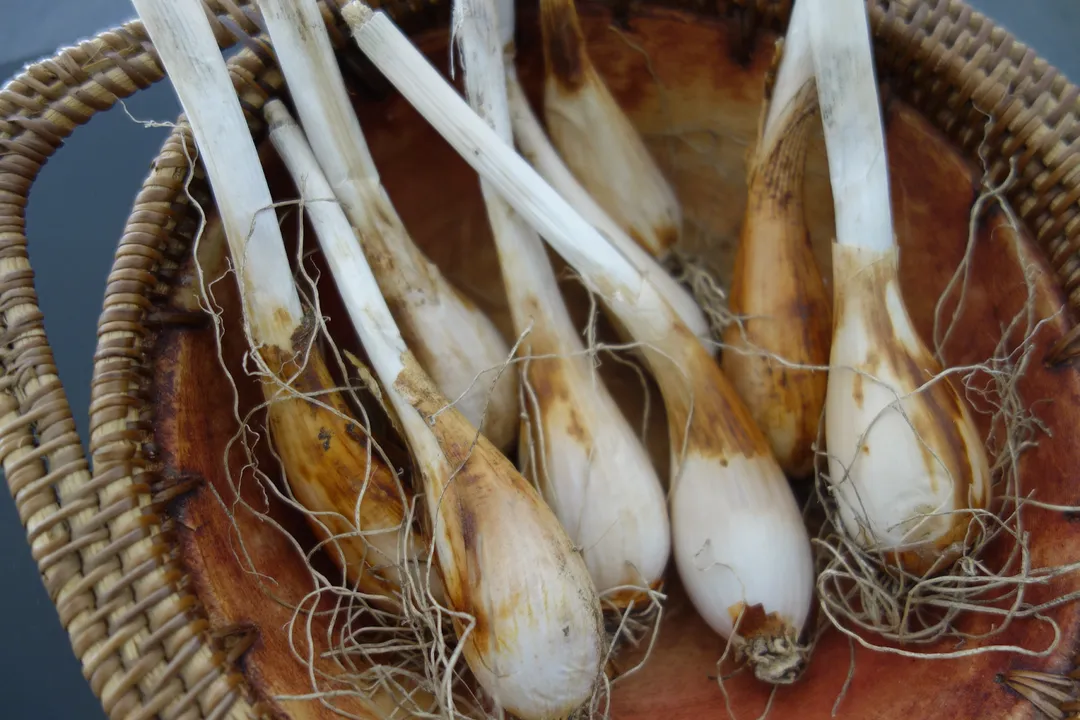
That distinct, pungent aroma cutting through the lawnmower noise is often the first clue that Allium vineale, commonly known as onion grass or field garlic, has established a presence in your yard. For many gardeners, this ubiquitous green growth is considered a persistent weed, but for those keen on wild edibles, it offers a surprising yield of flavor, proving that something you might want to eradicate can certainly be good for something—namely, your pantry. [2][4]
# Identification markers
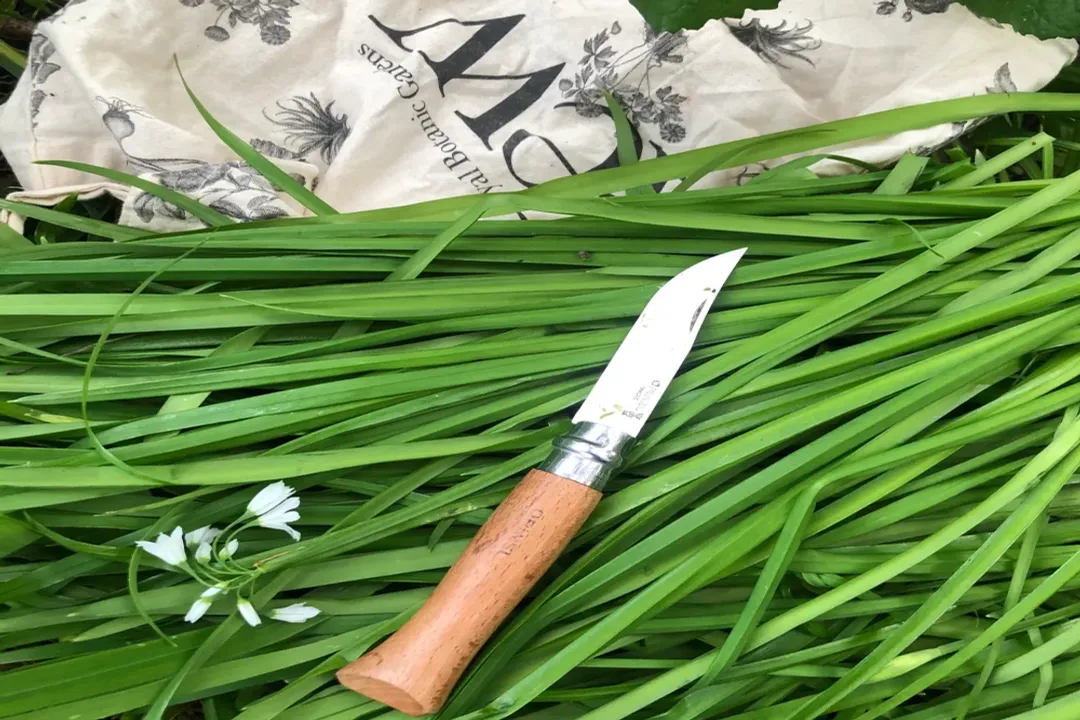
Pinpointing exactly what you have is the most critical first step, as several plants share similar descriptions or names, and some imposters are decidedly not for eating. [3] The gold standard for identifying any member of the Allium family, including wild onion grass, is the smell: if you crush a blade or a stem, it must emit a recognizable, strong onion or garlic scent. [3] If the smell is absent or only very mild, you should avoid consumption. [3]
Allium vineale itself is often called crow garlic or field garlic. [4] A key differentiator for A. vineale compared to other wild alliums is that its green shoots are hollow, unlike related species which might have flat leaves. [4] If you are dealing with Allium triquetrum, or three-cornered leek, the name gives away its structural signature: its leaves and flower stems will visibly possess three distinct faces or corners when viewed in cross-section. [2]
# Toxic look-alikes
The need for absolute certainty in identification cannot be overstated due to the existence of the highly toxic death camas (Nothoscordum bivalve). While both plants may feature small bulbs underground and produce long green leaves and small white flowers, their key differences lie in texture, shape, and, most importantly, scent. Wild onion leaves are generally described as softer and smoother, often featuring a U-shaped valley, and they carry that essential garlic/onion smell. Conversely, death camas leaves tend to feel more grass-like, lighter in color, and possess a V-shaped notch; crucially, they do not smell like onions. If you suspect you have death camas, it should be discarded immediately.
# Culinary applications
The upside of dealing with an invasive weed is the permission to harvest freely, and with onion grass, nearly every part of the plant is usable. [2][4] The flavor is generally described as pungent, perhaps milder than true ramps, but stronger than cultivated chives or scallions. [4][6]
# Greens and Stems
The long, green, strappy leaves and the tender white lower stems are often treated as a direct substitute for spring onions or fresh chives. [2][3] They work well chopped raw into salads, scrambled eggs, sandwiches, or incorporated into savory batters for things like pancakes or muffins. [2] When cooking, keep in mind that these wilder greens can sometimes become slightly stringy, so it is often recommended to add them toward the end of the cooking process, just before serving, to preserve their texture. [2]
# Bulbs and Seeds
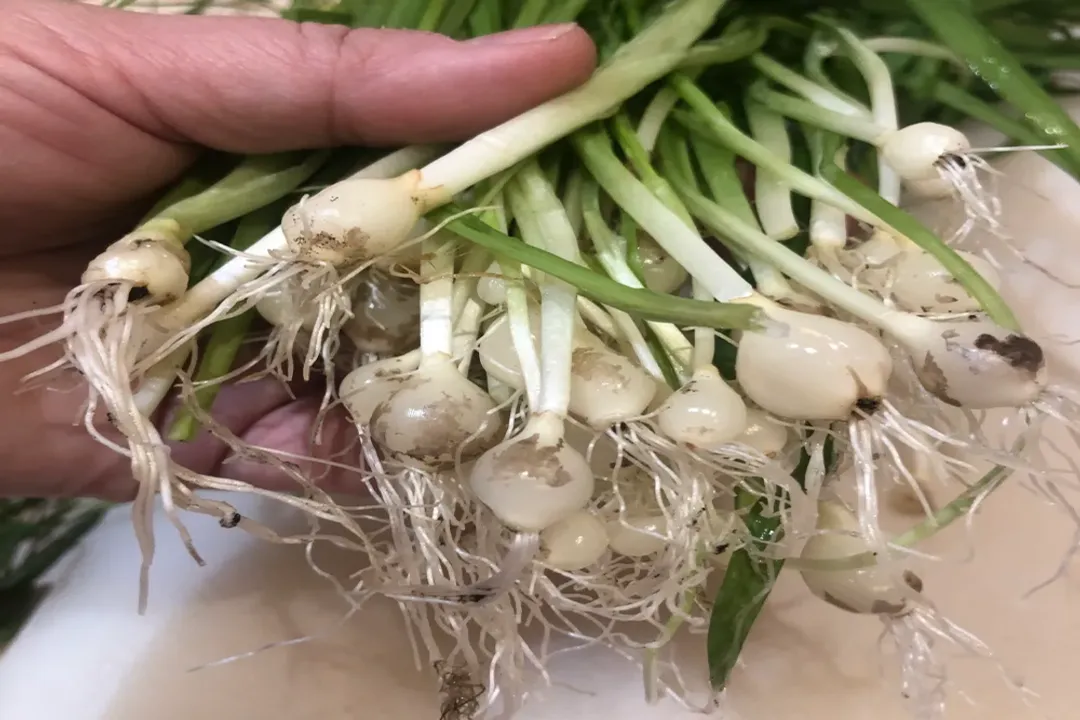
The small, bulbous bases, which can resemble tiny shallots, are another harvestable part. [3] If you can manage the significant cleaning required to remove the associated soil and grit, the bulbs can be used much like pearl onions. [2][4] Some foragers note that the bulbs can possess a noticeable bitterness, especially in certain regions or soil types, which might necessitate trimming an outer sheath or even simmering before final use. [4] One excellent preparation involves quickly cooking the cleaned bulbs in butter until the butter browns, allowing the wild aroma to infuse the fat for a delightful topping for grilled meats or eggs. [4] For a more robust flavor preservation, the bulbs can be pickled. [2]
If you allow the flowers to mature, you can harvest the seedpods. [2] If harvested when the seeds are still tender and white, they can be pickled to mimic mild capers or tiny onions. [2] Once the seeds fully mature and turn black and slightly harder, they can be separated from the heads and used as an oniony seasoning sprinkled over focaccia or hard-boiled eggs. [2]
# Flowers
The white, bell-shaped flowers add a delicate visual and a gentler oniony note to dishes. [2] Scattering them over savory dishes like cream cheese bagels, bruschetta, or eggs provides visual appeal without overwhelming the palate with the strong flavor of the greens or bulbs. [2]
| Part Used | Comparison Substitute | Preparation Notes |
|---|---|---|
| Greens/Stems | Chives, Spring Onion | Add late in cooking to avoid stringiness. [2] |
| Bulbs | Shallots, Pearl Onions | Cleaning is difficult due to mud; can be bitter. [2][4] |
| Flowers | Mild Capers | Great for infusing vinegar or scattering raw. [2] |
| Seeds (Tender) | Pearl Onions | Use for pickling when white. [2] |
| Seeds (Mature) | Seasoning | Use dried, black seeds on bread or eggs. [2] |
One interesting perspective gained from observing how people manage this plant is the difference in labor based on geology. For instance, someone reporting from dry, sandy loam soil in Southwest Michigan found the bulbs easy to shake clean in the field. [4] In contrast, a gardener in Georgia, where the soil might be heavier, noted the bulbs harbor mud stubbornly, leading to the conclusion that cleaning six ounces can easily take two hours. [4] This suggests that if your local soil composition is heavy clay or very wet, the yield-to-effort ratio might be lower for bulb harvesting compared to areas with looser soil. [2][4]
# Control methods
Since onion grass—or wild garlic—is known for being weedy and aggressive, it tends to proliferate, especially in damp or boggy areas. [2][4] The plant reproduces via its bulbs, and digging requires persistence because any small piece of bulb left in the soil can potentially regenerate. [4]
Because of its vigorous spreading habit, simply pulling the stems is often ineffective for removal; you must dig up the bulbs. [4] While some gardeners consider chemical weed killers an option, they only work if applied directly down the stem to reach the underground bulb structure, which can be difficult to target consistently. [4]
However, if you happen to have an overabundance of it, embracing its status as a weed can be beneficial. Some gardeners have intentionally allowed wild onions to remain within their garden beds precisely because their strong aroma acts as a natural pest repellent for other vegetables. [4] This provides an action item for readers: rather than fighting every clump, designate a border area for the onion grass where it can function as a beneficial barrier plant instead of trying to eradicate it entirely from everywhere. [4] This aligns with ecological principles of valuing marginal space and turning an invasive species into a yield. [2]
# Educational value
Beyond its culinary uses, harvesting wild edibles like onion grass offers a tangible, real-world educational opportunity. [3] It's an accessible way to get children engaged with nature and foraging, as the distinctive smell provides immediate positive feedback, encouraging them to seek out more patches. [3] Teaching children to identify the plant by scent, and then process it for food, connects them directly to their local environment and promotes sustainable habits by consuming something that would otherwise be discarded or chemically controlled. [3]
#Videos
Edible Onion Grass / Crow Garlic / Field Garlic (Allium vineale)
Related Questions
#Citations
Eat Your Weeds - Wild Garlic a.k.a. Onion Grass or Field Garlic
Crow Garlic / Onion Grass / Allium Vineale - - Forager | Chef
Foraging: Onion Grass - The Urban Nanna
Silly question. Wild onions in my yard. Edible? If so, can I replant?
Edible Onion Grass / Crow Garlic / Field Garlic (Allium vineale)
Wild Onion and Its Dangerous Look-Alike - Youth in Food Systems