When assessing the surface quality of steel jewelry, why are highly polished finishes generally preferred over rough or porous ones?
Answer
They are smoother and less likely to harbor bacteria or irritants
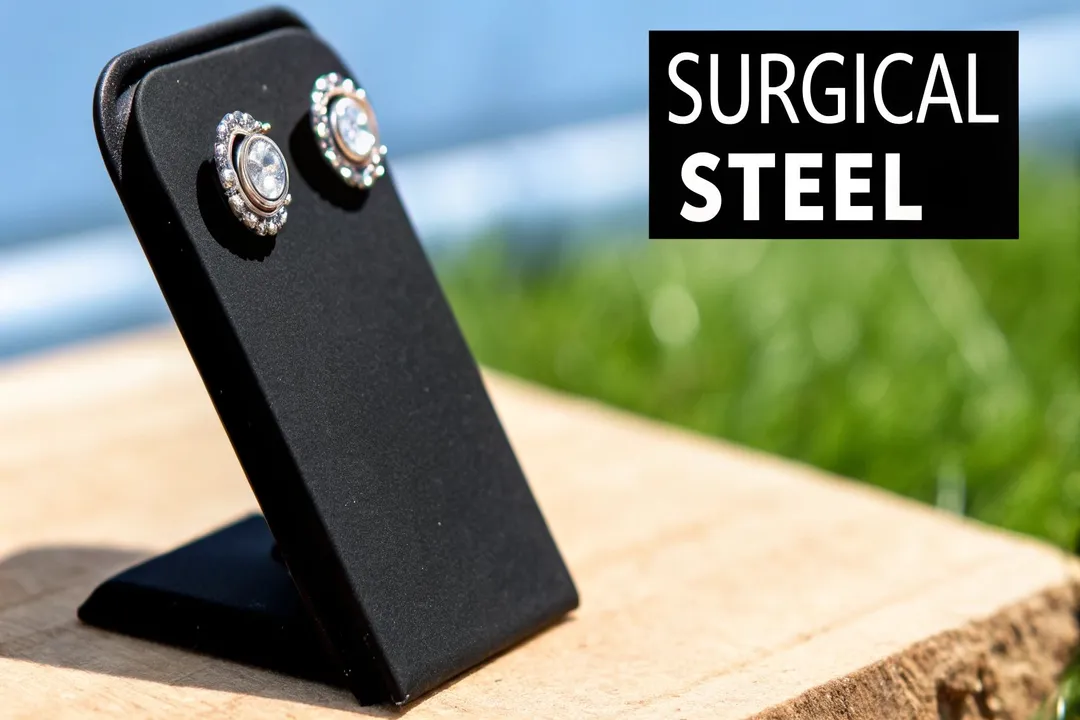
The physical surface finish significantly impacts how the skin interacts with the jewelry material. A highly polished surface provides a smoother contour, which minimizes microscopic peaks and valleys where bacteria, dead skin cells, or environmental residue can accumulate. Rough or porous finishes create surfaces where such irritants can lodge, potentially leading to irritation even if the underlying metal composition is biocompatible. Surgical steel's durability allows it to maintain this preferred high polish over extended wear periods.
Related Questions
What minimum percentage of chromium is required for an iron alloy to be classified as stainless steel?Which specific grade is frequently considered the gold standard for body piercing jewelry due to superior inertness?What common element, frequently implicated in contact dermatitis, is the primary allergen surgical steel alloys aim to limit?What characteristic of the 316L designation signifies a benefit related to welding and reduced intergranular corrosion?What mechanism allows surgical steel to keep elements like nickel and chromium from leaching onto the skin surface?Which alternative material is often cited as being the *most* inert option compared to 316L surgical steel?When assessing the surface quality of steel jewelry, why are highly polished finishes generally preferred over rough or porous ones?What practical advantage does surgical steel offer over sterling silver regarding environmental exposure?What simple cleaning routine is recommended to maintain the non-reactive surface of surgical steel items worn continuously?If a consumer reacts negatively even when wearing high-quality surgical steel, what might this reaction suggest about the source of sensitivity?