Does elderberry clear skin?

The little dark purple berry that has become a staple in cold and flu season remedies is quietly making waves in the world of cosmetics and topical skincare. While it’s celebrated for boosting immune defenses, many are now asking if this powerhouse fruit, Sambucus, can deliver on the promise of clearer, more radiant skin. The answer isn't a simple yes or no; it depends heavily on how you use it and what you expect it to achieve, as its benefits seem rooted more in protection and support than in instantly eliminating blemishes. [1][2]
# Antioxidant Strength
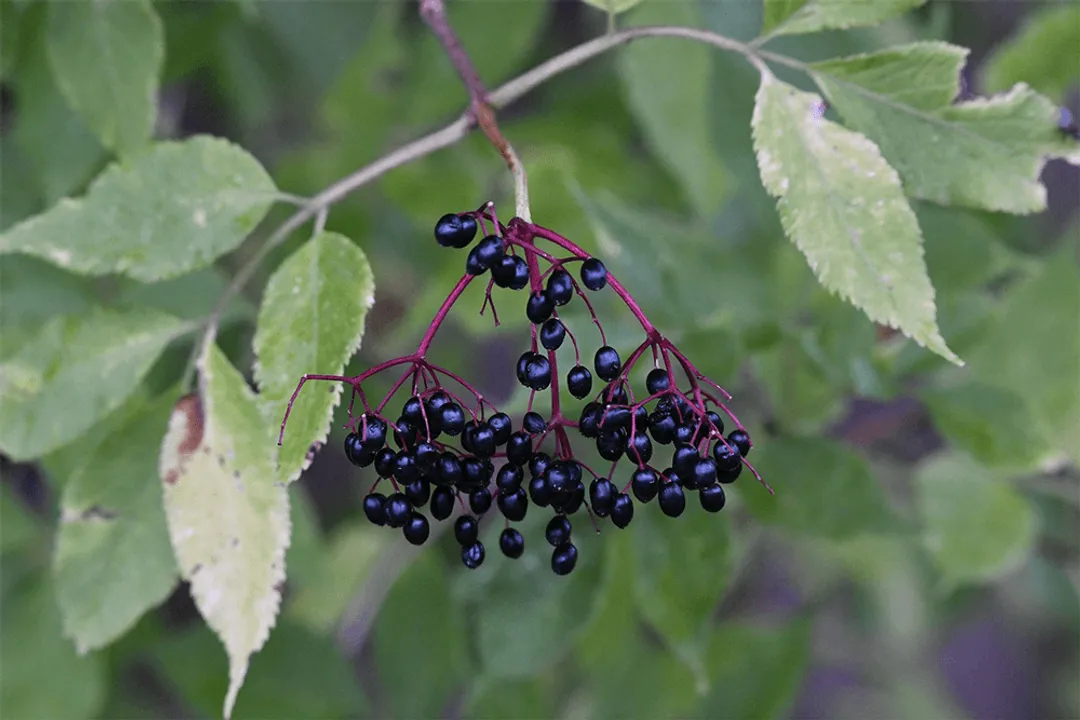
The most compelling evidence for elderberry’s skin benefits comes from its extraordinary antioxidant profile. Skin health is constantly battling environmental aggressors, primarily free radicals generated by UV exposure and pollution, which cause oxidative stress leading to visible signs of aging like fine lines and loss of elasticity. [1][4] Elderberries are loaded with potent compounds, most notably anthocyanins, which are the pigments responsible for their deep violet hue. [2]
Anthocyanins are powerful flavonoids that have been shown to neutralize these damaging free radicals. [4] When these destructive molecules are neutralized, the structural integrity of your skin cells is better preserved. This protective layer acts as a defense mechanism, helping to slow down premature aging processes. [1][7] Think of it as providing your skin with a superior shield against the daily wear and tear of modern life. Furthermore, research notes that elderberry extracts contain other beneficial polyphenols and flavonoids that contribute to this overall protective effect. [4]
# Vitamin C Content
A significant factor in achieving bright, clear skin is Vitamin C, and elderberries deliver a healthy dose of this essential nutrient. [1] Vitamin C is renowned in dermatology for its role in synthesizing collagen, the protein that gives skin its structure, firmness, and plumpness. [2] As we age, natural collagen production slows, leading to sagging and wrinkles. [1] By providing the body with adequate Vitamin C—whether through food, supplements, or topical application—you support the scaffolding that keeps skin looking youthful and taut. [2]
Beyond structure, Vitamin C is a well-known brightener. It can inhibit the overproduction of melanin, the pigment responsible for dark spots and uneven skin tone. [2] While elderberry isn't typically seen as a standalone treatment for severe hyperpigmentation compared to clinical brighteners, its regular inclusion in a skincare diet (internal or external) contributes to a more even, luminous complexion over time. [2][3]

# Calming Inflammation
Skin clarity is often hampered by underlying inflammation, which can manifest as redness, irritation, or flare-ups of conditions like acne or eczema. [4] Elderberries possess notable anti-inflammatory capabilities, largely attributed once again to those high levels of anthocyanins. [2][4]
When applied or ingested, these compounds can help modulate the body’s inflammatory response. [2] For someone struggling with constant mild irritation, incorporating elderberry might help to soothe the skin from within, leading to a calmer appearance. This calming effect isn't about directly killing acne bacteria, but rather addressing the underlying redness and reactivity that make breakouts look worse. [4] It’s a supportive measure that works alongside targeted treatments for blemishes.
# Methods of Use Comparison
Whether elderberry "clears" skin depends almost entirely on whether you are consuming it or applying it topically. Both avenues have merit, but they work through different mechanisms. [3]
# Internal Support
The traditional and most common way to consume elderberry is via syrups, gummies, teas, or tinctures, usually for immune support. [5][6] When you consume it, the nutrients are absorbed into the bloodstream and then delivered throughout the body, including the skin's deeper layers (the dermis). [3] This systemic approach supports overall skin health by ensuring cells have the necessary building blocks (like Vitamin C) and protection (from antioxidants) to repair and regenerate effectively. [5] If your skin issues stem from internal deficiencies or widespread oxidative stress, this method is likely the most effective way elderberry contributes to clearer skin.
# Topical Application
The interest in topical elderberry is newer, with extracts appearing in face oils, creams, and serums. [1][9] When applied externally, the goal is direct delivery of those antioxidants and conditioning agents to the epidermis. [1] While the high antioxidant content offers immediate protection against surface-level free radical damage, the absorption of larger nutrient molecules like Vitamin C through the skin barrier for deep collagen synthesis is debated among dermatologists. [4] Topical use shines brightest for moisturizing and creating a protective barrier. [1] However, it is essential to remember that raw elderberries should never be applied topically or consumed, as they contain compounds that can cause stomach upset and must be cooked or properly processed first. [6]
| Benefit Pathway | Primary Mechanism | Speed of Visible Effect | Best For |
|---|---|---|---|
| Internal (Syrup/Gummies) | Systemic nutrient delivery, deep cellular protection [3] | Weeks to Months | Overall radiance, long-term defense against aging |
| Topical (Extracts/Oils) | Direct antioxidant barrier, surface conditioning [1] | Immediate (moisture) to Weeks (protection) | Soothing surface irritation, environmental defense |

# Evaluating Topical Formulations
When looking at skincare products containing elderberry, pay close attention to the formulation rather than just the presence of the ingredient. [9] A product that features elderberry seed oil, for instance, might be prized for its emollient properties, helping to lock in moisture and improve skin texture, which can make skin appear smoother and healthier. [1][9] If your skin is dry or compromised, using an oil-based product rich in elderberry extract might indirectly support healing by minimizing water loss, a critical factor for maintaining a healthy skin barrier. Conversely, a product that only contains a trace amount of extract might offer minimal direct impact on deep skin structure but still provide a surface antioxidant boost. [4]
It’s a useful checkpoint to consider how long the ingredient remains on the skin. A leave-on product, like a night cream or oil, has a much greater potential to deliver consistent antioxidant exposure than a cleanser, which is rinsed off within a minute or two.
# Distinguishing Between "Clear" and "Healthy"
This is where we need to separate marketing claims from biological reality. If "clear skin" means a complete eradication of active acne pustules or cystic lesions, elderberry is unlikely to be a primary, standalone solution. [4] Those conditions typically require targeted treatments like salicylic acid, benzoyl peroxide, or retinoids that address bacterial overgrowth or cellular turnover directly. [4]
However, if "clear skin" means skin that is less reactive, less red, more resilient, and possesses a uniform tone due to reduced oxidative stress, elderberry is an excellent supporting player. [2][5] Its value lies in prevention and maintenance. By minimizing the free radical damage that breaks down collagen and triggers inflammation, you reduce the frequency and severity of underlying issues that lead to breakouts or dullness in the first place.
To truly see an improvement in skin clarity from elderberry use, one practical approach involves combining internal and external methods simultaneously for about three months. For example, take a standardized elderberry supplement daily while incorporating a face oil containing elderberry extract into your nighttime routine. This dual action ensures that the deeper structures are supported while the surface receives environmental protection. [3] This layered approach often yields more noticeable results than focusing on only one application method when dealing with chronic dullness or irritation.

# Sourcing and Safety
Since the goal is skin health, the quality of the elderberry source matters immensely, especially when consuming it. While elderberry is generally recognized as safe when prepared correctly, consuming raw or improperly processed berries can lead to gastrointestinal distress because of compounds like cyanogenic glycosides. [6] This is why commercially available syrups and supplements are manufactured using heat processing to neutralize these undesirable components. [6]
For topical products, look for reputable companies that clearly list ingredient concentrations. Furthermore, remember that elderberry is often featured alongside other beneficial botanicals, such as Vitamin E or various carrier oils, which might contribute significantly to the final visible result on your skin. [9] Don't attribute the success of a multi-ingredient serum solely to the elderberry if the formula also contains proven hydrators like hyaluronic acid.
Ultimately, thinking of elderberry less as a blemish cure and more as a powerful tonic for skin defense is the most accurate way to set expectations. It fortifies the skin’s natural defenses against the factors that lead to visible problems, supporting the production of firming collagen and reducing the inflammatory redness that plagues complexions. For those seeking a natural boost to skin vitality and resilience, elderberry offers a science-backed starting point, especially when integrated thoughtfully into a broader routine that addresses specific concerns like acne directly. [1][4]
Related Questions
#Citations
3 Surprising Elderberry Benefits for Skin - Truly Beauty
6 Elderberry Benefits for the Skin | Cymbiotika
5 Benefits of Elderberry for Healthy, Beautiful Skin - Pique Blog
The Role of Elderberry Hydrolate as a Therapeutic Agent in ...
Radiant Skin: The Secret Benefits of Regular Elderberry Use
The Pros and Cons of Elderberry - Healthline
Botanical Beauty Belgian Elderberry Seed Oil Sambucus Nigra 100 ...
What Elderberries Can (and Can't) Do for Your Health
Harnessing the Power of Elderberries for Beautiful Skin: A Guide to In