Why does my skin sting in salt water?
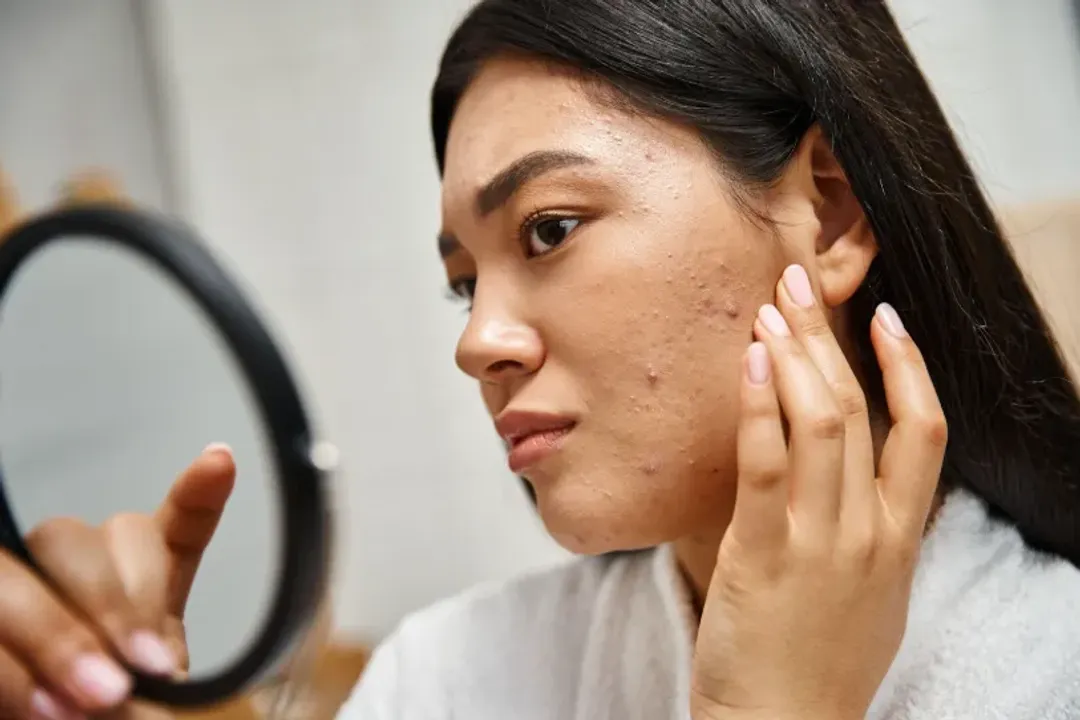
The sharp, immediate sensation of skin stinging when you wade into the ocean is a sensation nearly everyone who swims in the sea has experienced. It’s often alarming, making you quickly pull back, wondering if you stepped on something or if your skin has suddenly developed an intolerance to the water. While the initial reaction feels like a warning signal, the cause of this sting is rarely a single issue. It is typically a combination of physics, chemistry, and sometimes, the reaction of your skin’s own protective layer to the high mineral content of seawater. [4]
The environment itself plays a significant role in that initial prickle. The ocean is not just water; it is a highly concentrated saline solution. Your skin cells are naturally balanced internally, and when they encounter water with a vastly different salt concentration—like seawater—a process of osmotic adjustment begins. [4]
# Osmotic Shock

The immediate stinging feeling often comes down to the principle of osmosis. Seawater is considered a hypertonic solution, meaning it has a higher concentration of solutes (primarily salt) than the fluid inside your skin cells. [4]
When your skin, especially areas that are already vulnerable, meets this hypertonic environment, the water inside your skin cells is naturally drawn out towards the higher concentration of salt on the outside. This rapid osmotic shift can cause temporary shrinkage or collapse of the outermost skin cells, which stimulates nerve endings and registers as a stinging or burning sensation. [4] This effect is particularly noticeable on skin that is dry, compromised, or has minor breaches like micro-cuts or scrapes from a recent fall or shave. Saltwater is well-known to sting these minor openings immediately because the sodium chloride solution irritates the exposed underlying tissue. [4]
For individuals with naturally dry or sensitive skin, the sting can be more intense. The skin’s natural lipid barrier, which is meant to retain moisture, is challenged by the salt, leading to rapid moisture loss and a feeling of tightness or irritation that presents as a sting. [4]
# Distinguishing the Immediate Sting

It is helpful to separate the immediate, sharp sting that happens while you are in the water from subsequent rashes or itches that appear hours or days later. While the sting is an immediate physical reaction, several distinct, non-allergic, and allergic reactions can follow swimming.
# Parasitic Itch
One of the most frequently discussed water-related afflictions is Swimmer’s Itch, also known as cercarial dermatitis. [2][3] This is a misnomer when the cause is mistakenly attributed solely to the salt itself, as it is an allergic reaction to microscopic parasites, specifically the larvae of certain flukes. [2][7] While this is most common in freshwater environments like lakes and ponds, the condition can occur in saltwater environments too. [3]
The key distinction here is the timing. With Swimmer's Itch, the initial sensation upon water contact might be a slight tingling, burning, or itching as the parasite burrows in, but the noticeable rash—the small reddish pimples or blisters—typically appears minutes or even up to two days after leaving the water. [2][3][7] The more intense the exposure, the more immediate and severe the symptoms become upon subsequent dips, because the reaction is allergic in nature. [2][7] If the sensation you feel in the ocean is a persistent, itchy rash appearing later, it aligns more closely with this parasitic cause than the simple, immediate sting of osmotic dehydration. [2][3]
# Marine Irritants
The ocean floor and currents can harbor other biological irritants besides the parasites associated with Swimmer’s Itch. For instance, some coastal areas experience outbreaks of sea lice, which are actually the tiny, translucent larvae of thimble jellyfish. If these larvae become trapped under swimwear, pressure can cause them to release toxins, resulting in a slight prickling sensation followed by a rash, often called "sea bather’s eruption". Immediate rinsing with vinegar is often recommended to neutralize these toxins and reduce symptoms.

# Rare True Water Reactions

Beyond the physical effects of salt and biological irritants, there are rare conditions where the water itself triggers a systemic, immune response. It is important to note that a true allergy to pure salt water is generally considered impossible because the human body naturally contains salt and water, making the body unable to mount an immune response against its own necessary components. [6] However, conditions that mimic an allergy do exist, triggering reactions to the water molecule itself, regardless of temperature. [8]
# Hives Condition
One such rare condition is Aquagenic Urticaria (AU), a form of physical urticaria where contact with any type of water—rain, sweat, or seawater—causes an itchy, red hive reaction. [8] This condition, which has only about 50 reported cases in medical literature, involves hives that typically last between 30 minutes and two hours. [8] The reaction is not dependent on water temperature. [8]
# Itching Without Rash
A related, perhaps more common manifestation of water sensitivity is Aquagenic Pruritus (AP). This condition is characterized by a severe prickling-like sensation or itch triggered by water contact, but crucially, the skin appears normal during the itchy period, distinguishing it from the hive-forming AU. AP can range from a mild nuisance to severely debilitating, sometimes leading to a fear of bathing. While the cause is unknown, it may involve mast cell degranulation or acetylcholine release.
For readers experiencing a lasting, hive-based reaction, or a severe, non-visible itch, the cause is likely AP or AU, rather than the simple, immediate sting caused by salt content. [8]
| Reaction Type | Primary Sensation | Onset Time | Visible Skin Change | Primary Cause |
|---|---|---|---|---|
| Osmotic Sting | Sharp stinging, tightness | Immediate (Seconds) | Redness on compromised skin | Salt concentration gradient [4] |
| Swimmer's Itch | Itching, burning | Minutes to 2 Days | Red pimples/blisters/rash [2][3] | Parasitic allergic reaction [2][3][7] |
| Sea Lice Sting | Slight prickling, burning | Hours | Red rash/welts under clothing | Jellyfish larvae toxin |
| Aquagenic Urticaria | Itch, burning, intense | Within 30 minutes | Hives/swelling [8] | Rare immune reaction to water [8] |
# Barrier Health Influence
When comparing the sting from salt water versus freshwater, or even chlorinated pools, the current state of your skin barrier is a major deciding factor in how much it hurts. Chlorine strips the natural protective sebum, but salt water’s effect is more about drawing out existing moisture. [4]
If your skin is already dehydrated from sun exposure, wind, or simply has an underlying issue like eczema or rosacea, the skin barrier is compromised before you even enter the water. [4] This fragile barrier cannot effectively repel the osmotic pull of the seawater, meaning the salt penetrates deeper or irritates the surface layer more readily, translating the physical effect into a more pronounced sting. Furthermore, if you swim frequently throughout a summer season, the cumulative stripping of oils and moisture can lead to chronic dryness, making every subsequent dip sting more than the last. [4]
To mitigate the sting, one overlooked factor is the temperature differential. If you enter very cold salt water with warm skin, the rapid, severe constriction of blood vessels combined with the osmotic effect can make the initial sting feel much sharper than if you enter water that is closer to your own body temperature. While Aquagenic Pruritus reactions are reportedly not impacted by temperature, [8] the physical shock of rapid cooling alongside salinity can amplify the standard stinging discomfort.

# Post-Swim Recovery
Whether the sting was mild and quickly forgotten, or if you are nursing a lingering itch from a potential parasitic exposure, immediate and targeted aftercare is essential to prevent secondary irritation or infection. [2][4] The goal shifts from immediate defense to cleansing and restoration.
# Cleansing Protocol
The very first step upon exiting the ocean is rinsing. Delaying this allows the salt residue to continue drawing moisture from your skin and prolongs any potential contact with irritants like sea lice toxins. [4] Showering with fresh, lukewarm water immediately is key; avoid very hot water, as this can increase redness and further dry sensitized skin. [4]
When cleansing, the choice of soap matters significantly. You need to remove salt, residue, and sunscreen without stripping away the remaining natural oils that are trying to protect your skin. [4] Look for gentle, sulfate-free cleansers. For those concerned about residual chlorine (if you swam in a pool before or after the ocean), a product containing Vitamin C is noted for helping to deactivate the chemical bonds chlorine forms on the skin. [4]
# Restoring Balance
After gently patting the skin dry (not rubbing), the next window of opportunity is crucial—within five minutes of toweling off. [4] This is when you must aggressively reintroduce hydration and barrier lipids to reverse the drying effect of the salt water.
- Hydrate Internally: Continue to drink plenty of water to support skin hydration from the inside out, compensating for water loss in the skin. [4]
- Seal the Moisture: Apply thick creams or lotions rich in barrier-repairing ingredients such as ceramides, hyaluronic acid, or petroleum-based emollients. [4] These products help trap the water you just applied onto the skin's surface.
- Soothe: If you experienced intense stinging, redness, or burning (like a jellyfish sting), topical treatments like aloe vera or a mild hydrocortisone cream can help calm surface inflammation. [4] If you suspect sea lice or mild parasitic irritation, an oral antihistamine can help manage the inflammatory response.
By creating a protective layer before you swim—using a barrier cream on vulnerable areas—and quickly restoring moisture afterward, you significantly reduce the physical stress salt water places on your skin, turning that alarming sting into a mild, manageable sensation.
Related Questions
#Citations
Swimmer's itch - Symptoms and causes - Mayo Clinic
About Swimmer's Itch | Swimmer's Itch (Cercarial Dermatitis) - CDC
How Chlorine and Saltwater from Pools and Beaches Affect Your Skin
Aquagenic Urticaria - Allergy & Asthma Network
Salt Water Allergy: Symptoms, Risks, and Effective Treatments
Swimmer's Itch | Disease Outbreak Control Division
Aquagenic Pruritus - DermNet
6 Common Water Rashes and How to Treat Them