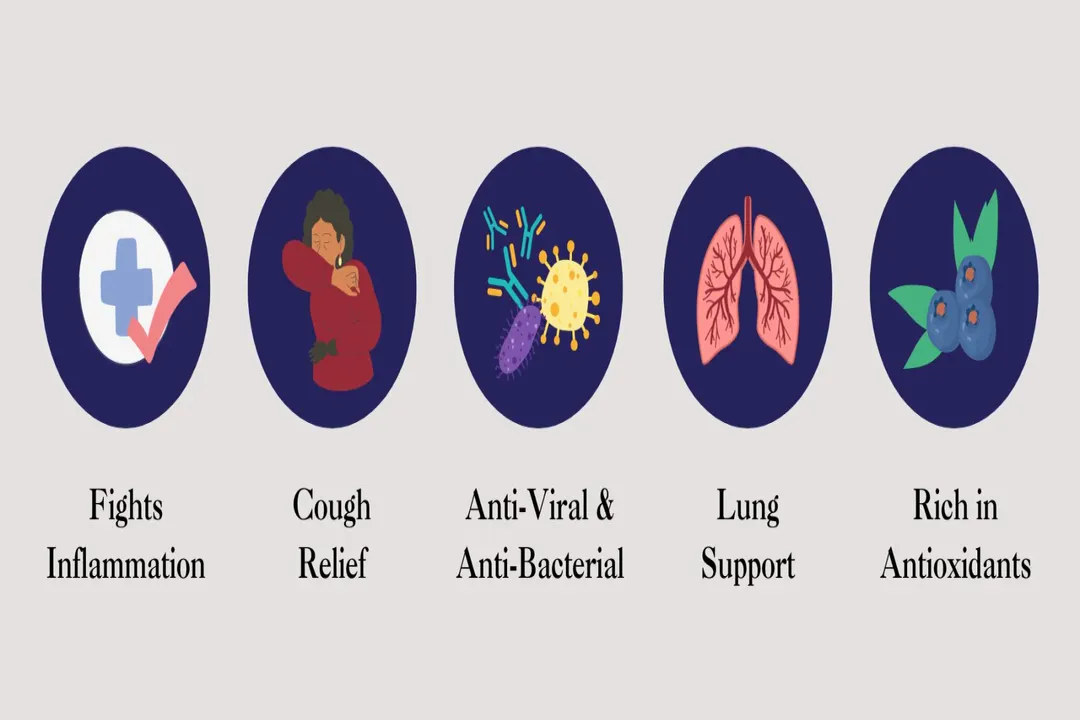
How does the proposed mechanism of P. sidoides action differ from conventional cough suppressants or expectorants?
By potentially targeting the infection itself and supporting the immune response
Traditional cough medicines are usually categorized as either suppressants, which actively dampen the cough reflex, or expectorants, which aid in thinning mucus to make coughing more productive. Pelargonium sidoides, based on its known biological activities like antiviral and antibacterial effects, is positioned differently. Its primary mode of action is suggested to be indirect: by potentially targeting the causative pathogens (viruses or bacteria) and supporting the body's innate immune defense mechanisms, it seeks to resolve the underlying infection. This leads to fewer coughing episodes overall because the source of irritation is being addressed, contrasting sharply with agents that simply mask the symptom or aid in mucus clearance.