Why is rinsing a jellyfish sting with fresh water (tap or bottled) strongly discouraged during first aid?
Answer
The osmotic difference between fresh water and the skin triggers remaining stingers to fire a fresh dose of venom.
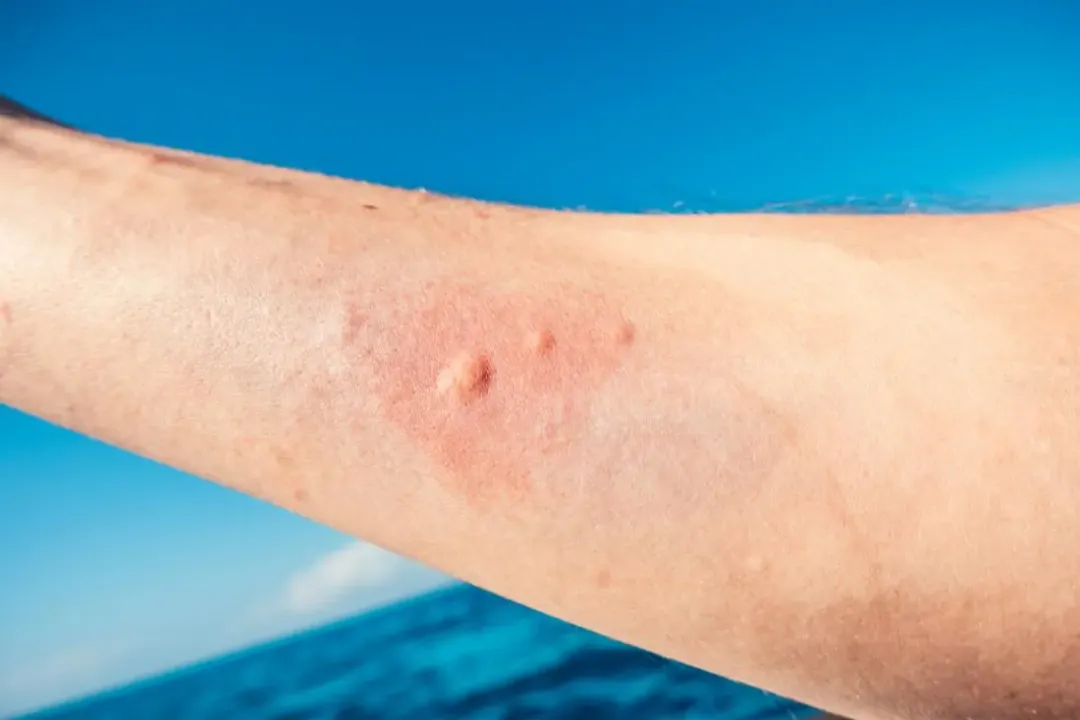
A critical error in treating jellyfish stings is using fresh water, such as tap or bottled water, for rinsing the affected area. This prohibition stems from principles of osmosis. The significant difference in osmotic potential between fresh water and the fluid within the skin cells causes a rapid shift in pressure. This osmotic shock acts as a strong stimulus, causing any unfired nematocysts embedded in or stuck to the skin to deploy their microscopic barbs and inject an additional, potent dose of venom into the dermis, thereby significantly escalating the injury.
Related Questions
What allows nematocysts, the microscopic stingers, to continue injecting venom after contact?What is the recommended immediate rinsing agent for many common jellyfish stings to neutralize unfired nematocysts?What specific temperature range should the affected area be soaked in for heat application to effectively denature venom proteins?What severe systemic consequence is associated with the Box Jellyfish species *Chironex fleckeri* (Sea Wasp)?Why is rinsing a jellyfish sting with fresh water (tap or bottled) strongly discouraged during first aid?Which species is specifically noted as an exception where using vinegar as an initial rinse may actually worsen the sting reaction?How is the venom potency of the Irukandji jellyfish reportedly compared to the venom of a cobra?What is the recommended careful method for removing visible tentacle remnants after initial rinsing?Following initial decontamination steps, what post-incident follow-up regarding skin penetration must be reviewed within 24 hours?What immediate physical manifestation often maps the path of a jellyfish tentacle contact on the skin after the initial shock of pain?Which folk remedy is largely debunked due to inconsistent efficacy based on diet-related variability in the agent used?