What are the benefits of sapote leaves?
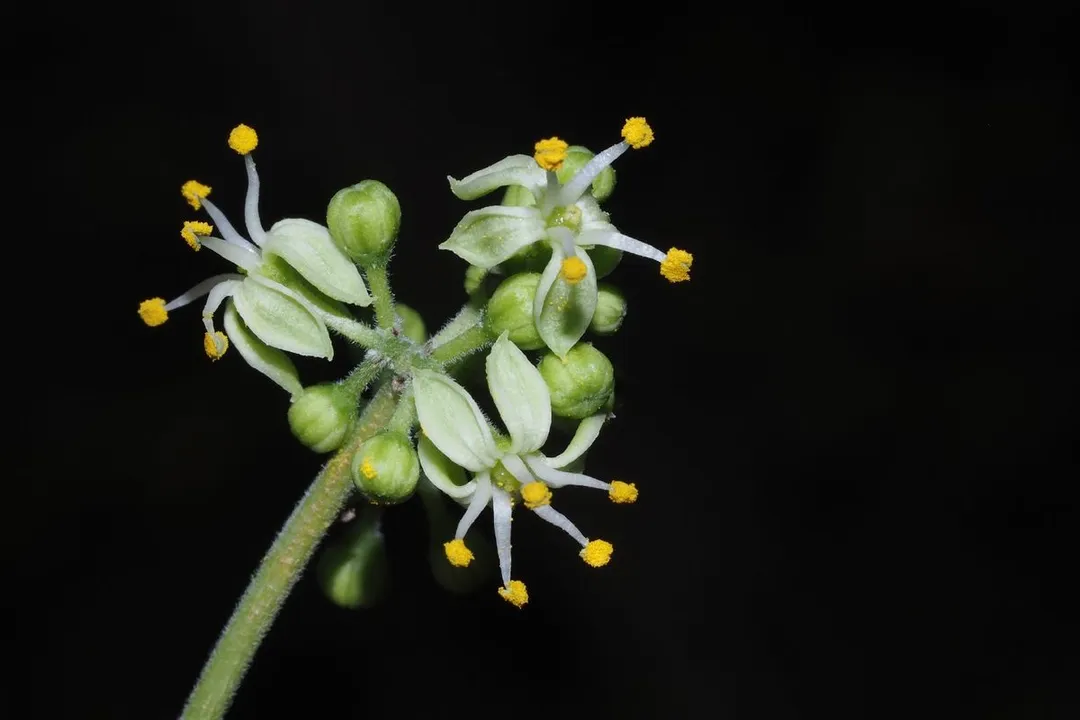
The term "sapote" often brings to mind a variety of sweet, creamy tropical fruits, yet parts of the Casimiroa edulis, commonly known as White Sapote, possess significant recognition within traditional herbal practices. While the fruits of various sapotes—like the sweet Sapodilla or the rich Mamey Sapote—are celebrated for their nutritional content, it is specifically the leaves of the White Sapote that feature prominently in historical and regional remedies. [4][7][9] The distinct traditional uses associated with these leaves suggest a localized body of knowledge concerning their therapeutic properties.
# Leaf Uses

The leaves of Casimiroa edulis are cited in traditional medicine for addressing several physiological imbalances, focusing on metabolic and circulatory support, as well as managing acute symptoms. [2][5] One area where traditional reports show consistency is in the management of blood sugar and blood pressure regulation. [3][5] Specifically, these leaves are noted for their application in contexts related to diabetes and high blood pressure. [3][5] This consistent mention across different references points toward an established, albeit non-clinical, historical understanding of their potential impact on these chronic conditions.
Beyond chronic management, the leaves have been employed for more immediate concerns. They are traditionally regarded as possessing properties that may help calm the nervous system, sometimes being used as a mild sedative. [3][5] Furthermore, traditional preparation of these leaves has historically been applied to treat fever and to address episodes of diarrhea. [2][5] This combination of uses—systemic (blood pressure/sugar) and symptomatic (fever/diarrhea)—illustrates a broad application profile in traditional settings.
# Skin Care
The utility of White Sapote leaves extends to external applications, particularly for skin health. [2] Reports indicate that infusions or preparations made from the leaves have been used topically. This external application is often aimed at aiding the healing process for certain skin ailments, such as ulcers or general wounds. [2] When considering a traditional remedy for something like an ulcer, the method of application—whether a poultice, wash, or soak—becomes as important as the substance itself. The efficacy in such cases would depend heavily on the concentration achieved during the preparation process.
# Fruit Context
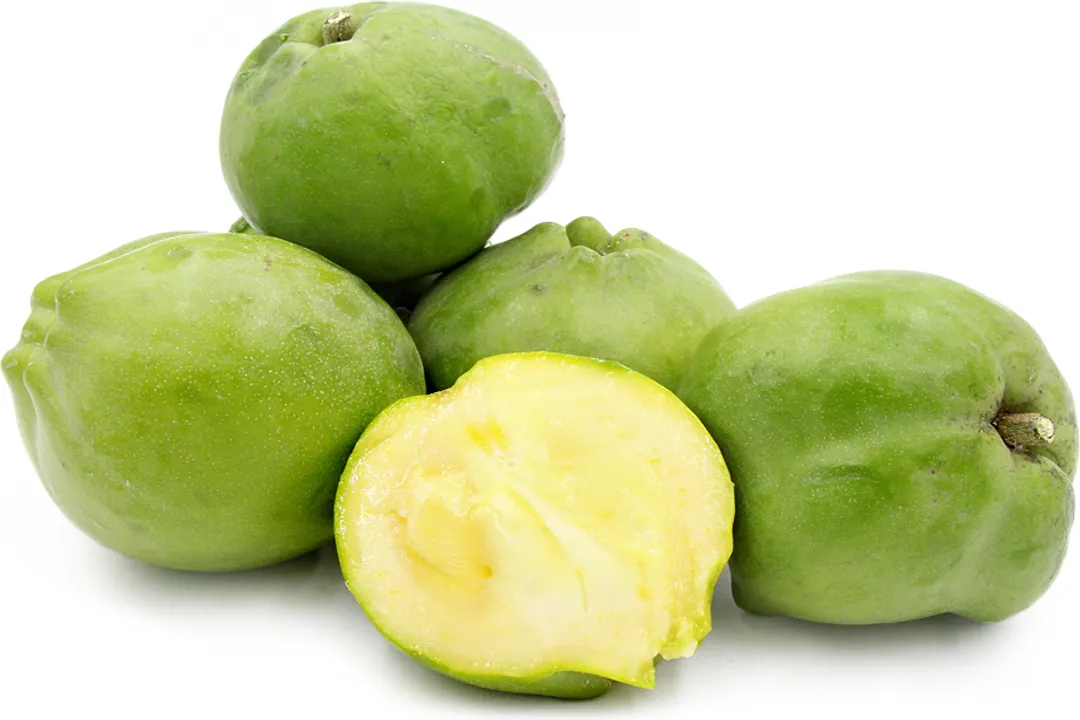
It is important to distinguish the traditional leaf uses from the documented benefits of the fruits of other sapote varieties, as they are often discussed in the same broader category of produce. [4][7][9] For instance, the fruit of Sapodilla, a different species, is frequently highlighted for its high content of dietary fiber, Vitamin C, and minerals like potassium, making it beneficial for digestive health and overall nutrient intake. [4][9] Similarly, the Mamey Sapote fruit is noted for its array of vitamins and minerals. [7] This serves as a useful contrast: while the White Sapote fruit may offer general nutrition, the leaves of that specific plant carry the reported medicinal load for conditions like hypertension and sedation. [3][5] Understanding this distinction is key when seeking information; for instance, if one is looking for Vitamin C, they should focus on the fruit, but for traditional sedative action, the leaf preparation is indicated by historical use. [4][9]
If a person were to compare the traditional medicinal profile of White Sapote leaves with the general nutritional profile of Sapodilla fruit, the difference is stark: one is an herbal treatment targeting specific physiological pathways, while the other is a caloric food source contributing to daily nutrient requirements. [3][5][9]
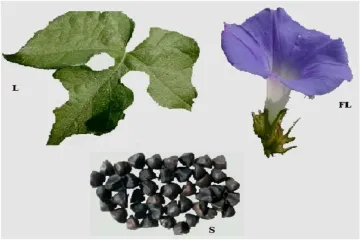
# Preparation Considerations
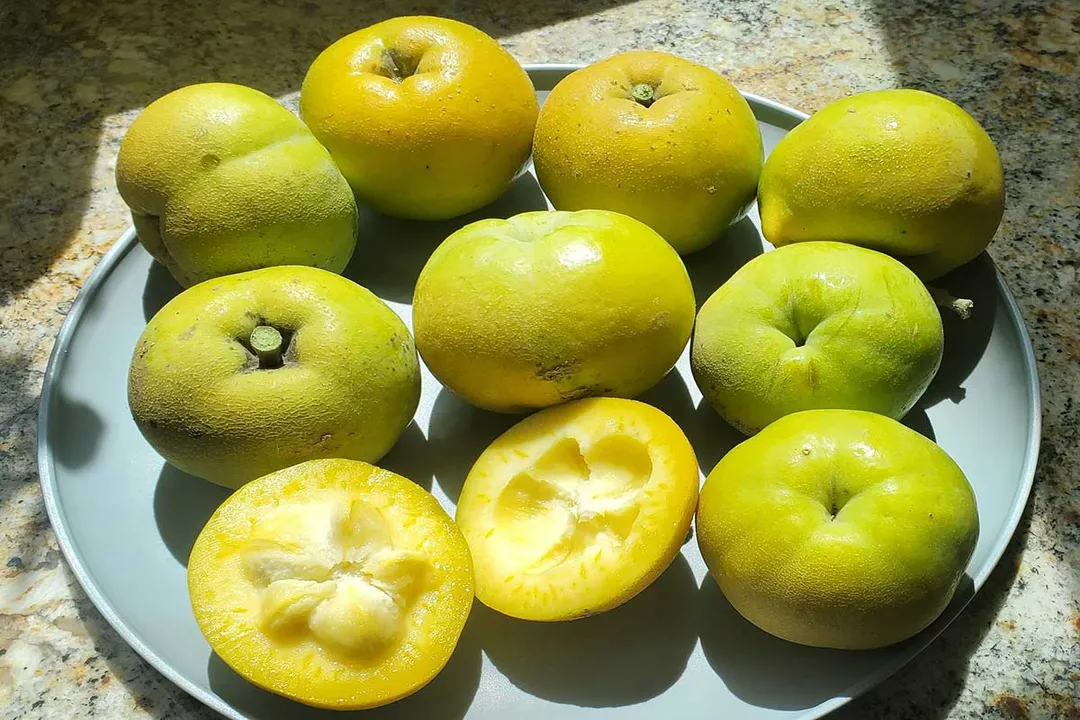
Because the reported benefits—especially those related to chronic conditions like diabetes and high blood pressure—rely on repeated or consistent exposure, the quality and preparation of the leaf material are central to any traditional practice. [3][5] In herbal contexts where specific parts of a plant are used for systemic effect, the precise preparation method, such as whether the leaves are steeped briefly (infusion) or boiled for an extended period (decoction), can drastically alter the final chemical profile of the resulting liquid. A long boil might extract different compounds than a short steep, potentially changing the concentration of any active agents believed to be present.
Given the documented use as a mild sedative, [5] anyone attempting to incorporate White Sapote leaves into a personal routine for the first time should exercise caution regarding timing. If the preparation does indeed induce drowsiness, consuming it shortly before operating machinery or engaging in activities requiring full alertness would be unwise, even in the absence of formal clinical trials confirming the extent of this effect. This practical consideration is something experienced local users would intuitively know, adjusting their intake time based on observation rather than standardized dosing guidelines.
# Summary of Reported Uses
To organize the documented traditional applications of Casimiroa edulis leaves, one can map them across different categories of need. This provides a clear overview of where this specific plant part has found its place in historical practice:
| Application Area | Reported Traditional Use | Supporting Source Data |
|---|---|---|
| Metabolic Support | Management of Diabetes | , [3][5] |
| Circulatory Support | Management of High Blood Pressure | , [3][5] |
| Acute Symptom Relief | Treating Fever and Diarrhea | , [2][5] |
| Nervous System | Mild Sedative Effect | , [3][5] |
| Dermatological | Skin Ulcers and Wound Care | [2] |
This table clearly separates the systemic effects from the acute and topical uses documented in the sources. [2][3][5] The continued relevance of the leaves in traditional systems suggests that for certain communities, this plant remains a readily accessible resource for managing these specific health concerns.
The documented applications point toward compounds within the leaves that may interact with blood pressure regulation or blood glucose control, alongside antipyretic (fever-reducing) and astringent (diarrhea-reducing) qualities. [2][5] The simultaneous use for wound healing further implies potential anti-inflammatory or antimicrobial properties, though these are not explicitly stated in the provided texts. [2] It is through this accumulation of consistent, specific traditional reports that the reputation of White Sapote leaves as a medicinal asset has been sustained over time.
Related Questions
#Citations
White Zapote* - UTEP
Discover the Surprising Benefits of White sapote for Your Health and ...
What is the benefit of White Sapote?
What Are the Health Benefits of Sapodillas? - WebMD
WHITE SAPOTE (Casimiroa edulis) - FRUIT - Mountain Herb Estate
White sapote health benefits and fun facts - Facebook
Mamey Sapote: 7 Health Benefits, Nutrition & How to Eat - Tua Saúde
Lamertz White Sapote Information and Facts - Specialty Produce
10 Benefits of Having a Black Sapote - Greg
Sapodilla: Nutrition, Health Benefits, and More - Healthline